Samsung Union Rejects Offer, Pushes Ahead with May 21 Strike Despite Apology
Union plans 18-day strike over wage disputes, marking a potential turning point for Samsung Electronics.
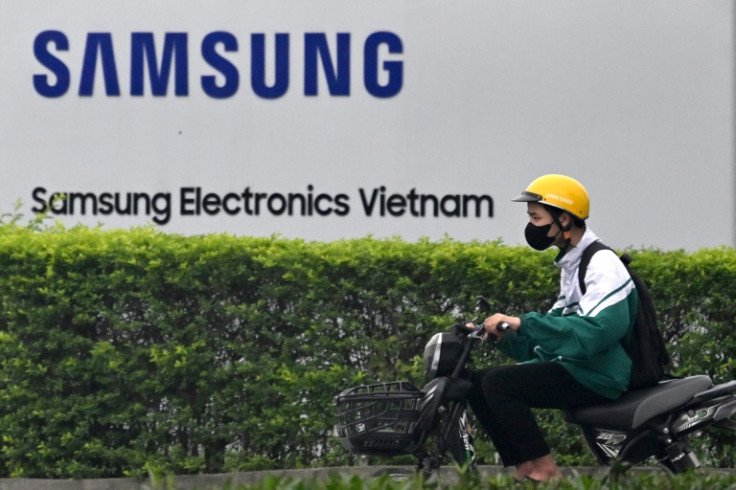
SEOUL — Samsung Electronics' largest labor union has rejected the company's latest wage proposal and confirmed plans for an 18-day general strike starting May 21, despite a public apology from Vice Chairman Lee Jae-yong and government efforts to mediate a resolution in what could become South Korea's most disruptive industrial action in decades.
The Samsung Group United Union's Samsung Electronics chapter announced Thursday that it would not resume talks until after the planned strike ends on June 7, citing insufficient progress on core demands including performance-based bonuses tied to record semiconductor profits. Union leader Choi Seung-ho described the company's offer as "unchanged" and "unacceptable," signaling a hardening of positions just days before the walkout.
Samsung Electronics, the world's largest memory chipmaker, expressed deep regret and said it would continue seeking dialogue. Shares of the company plunged as much as 9.3 percent on Friday amid investor fears of production disruptions at key facilities, wiping out tens of billions in market value in a single session.
Lee Jae-yong's Rare Public Apology
In a highly unusual video statement released late Thursday, Lee Jae-yong, Samsung's de facto leader, publicly apologized for the ongoing dispute. "I deeply apologize for causing concern and inconvenience to our employees and their families," Lee said. "Samsung's achievements have always been built on the dedication of our people, and we must work together to resolve this issue."
The apology, which also included a bow to the public, marks a significant shift in tone from the usually reserved Samsung leadership. It came after marathon government-mediated talks collapsed earlier in the week, with both sides remaining far apart on bonus structures and wage increases. Lee's intervention appears aimed at de-escalating tensions and demonstrating leadership during a sensitive period for the company.
The union responded cautiously, welcoming the gesture but maintaining its strike timeline. "We appreciate the acknowledgment, but words must be followed by action," Choi said. "Our members have contributed to these historic profits and deserve compensation that reflects that reality."
Strike Threat Looms Large
The planned 18-day strike, set to begin May 21, would be the first full-scale walkout in Samsung Electronics' history. Union officials estimate up to 50,000 workers could participate, potentially halting production at critical semiconductor facilities, including the massive Pyeongtaek complex that produces roughly half of the world's DRAM chips.
Analysts warn the economic impact could be severe. JPMorgan estimates a potential 6-10 percent downside risk to Samsung's 2026 operating profits if the strike proceeds, with daily losses possibly reaching $700 million or more during peak disruption. The broader South Korean economy, where Samsung accounts for a significant portion of exports, could also face ripple effects.
South Korean Prime Minister Kim Min-seok convened an emergency ministerial meeting to address the crisis, instructing officials to explore all options, including potential arbitration, to avert the strike. Government officials have urged both sides to return to the table, emphasizing the national economic stakes.
Deep Divisions Within the Union
Internal tensions within the union have also surfaced. Reports indicate around 1,000 members have withdrawn from the union in recent days, with some DX division workers filing injunctions against the strike. Anonymous workplace forums have seen heated debates, with some employees criticizing the union's hardline stance and others accusing dissenters of undermining collective bargaining rights.
These divisions highlight the complex dynamics at play. While the union represents a significant portion of Samsung's workforce, not all employees support the planned action, particularly those in divisions less directly tied to semiconductor production.
Samsung's Record Profits vs Union Demands
The dispute is fueled by contrasting fortunes. Samsung reported record operating profits in the first quarter of 2026, largely driven by surging demand for high-bandwidth memory chips used in artificial intelligence applications. The memory division achieved operating margins approaching 70 percent in some segments.
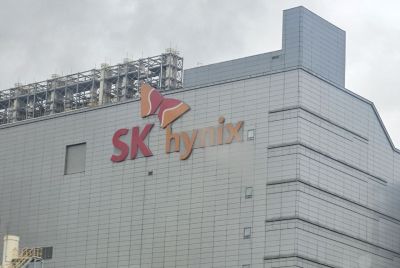
The union is demanding 15 percent of operating profit be set aside as a performance bonus pool and the removal of a payout cap, citing a pay gap with rival SK Hynix, which scrapped its bonus ceiling last year. Samsung has offered a one-time special compensation package but resisted structural changes to the bonus system, citing the need for flexibility in a volatile global market.
Global Supply Chain Concerns
Any significant disruption at Samsung would have worldwide repercussions. The company supplies memory chips for smartphones, servers, and consumer electronics used by Apple, NVIDIA, and countless other tech giants. Analysts warn that prolonged production halts could exacerbate existing chip shortages and affect AI infrastructure buildouts globally.
Foreign investors, who hold substantial stakes in Samsung, have expressed concern. "Stability at Samsung is critical not just for South Korea but for global technology supply chains," said one Seoul-based fund manager. Samsung shares have been volatile in recent days, reflecting the market's nervousness.
Path Forward and Potential Outcomes
With talks paused until after June 7, both sides face mounting pressure. Legal experts note that South Korean labor law provides frameworks for mediation and arbitration, though both parties appear intent on direct talks for now.
Possible outcomes include a revised wage proposal from Samsung incorporating some union demands, or a compromise on bonus structures. The union may also soften certain positions if the company demonstrates flexibility on non-wage issues like working hours and career development.
For Samsung, resolving the dispute swiftly is critical to maintaining operational momentum during a pivotal period of technological transformation. For the union, securing meaningful gains would represent a significant victory and set a precedent for future negotiations.
As the June 7 deadline approaches, all eyes remain on Samsung and its union. Lee Jae-yong's public apology has opened a new chapter in the dispute, shifting the tone from confrontation toward potential reconciliation. Whether this leads to a swift resolution or further escalation will have implications not only for Samsung but for South Korea's broader technology sector and its global reputation.
The coming weeks will test the willingness of both sides to find common ground. In an industry defined by rapid innovation and intense competition, labor stability has become an increasingly important factor for long-term success. Samsung's leadership has signaled a desire for unity — now the union must decide if the company's words will be matched by meaningful action at the bargaining table.
© Copyright 2026 IBTimes AU. All rights reserved.
- Recommended For You