Nikkei 225 Edges Higher as Tech Stocks Rebound From AI Slowdown Selloff, Kioxia Jumps on ADR Listing Report
SoftBank, Taiyo Yuden and Lasertec lead gains, while investors weigh AI spending concerns, oil prices and upcoming central bank decisions.
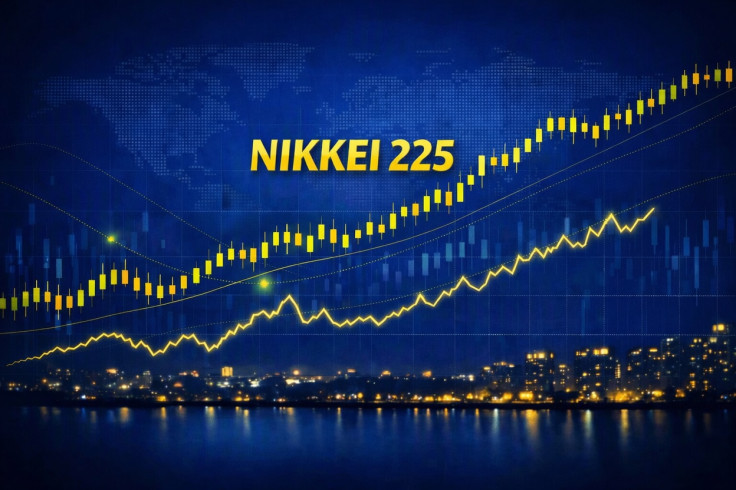
TOKYO — Japan's benchmark Nikkei 225 edged higher Tuesday, gaining 129.43 points, or 0.20%, to trade at 63,622.42 by mid-afternoon, as select technology stocks clawed back some of the ground lost during Monday's steep selloff tied to renewed concerns over the pace of artificial intelligence development.
The modest recovery followed a rough start to the week, when the Nikkei fell 0.81% to close at 63,493 on Monday, its lowest level in six weeks, after a weekend essay from Anthropic Chief Executive Officer Dario Amodei calling for a slower pace of AI model development triggered a broad selloff across technology and chip stocks in markets worldwide. Trading remained choppy throughout Tuesday's session, with the index swinging between modest gains and losses as investors continued weighing the fallout from that debate alongside a separate set of macroeconomic pressures.
Technology shares led Tuesday's rebound. SoftBank Group, a major investor in OpenAI and one of the hardest-hit stocks during Monday's slide, climbed as much as 6.3% during the session. Taiyo Yuden gained 3.7% and Lasertec rose 3.8%, as investors showed renewed appetite for some of the same AI-linked names that had been sold off sharply just a day earlier.
Kioxia Holdings stood out among Tuesday's gainers, rising as much as 2.5% following reports that the Japanese memory chipmaker is considering raising at least $10 billion through a listing of American depositary receipts. The move, if it proceeds, would mark a significant capital-raising effort for the company as global memory chip prices have surged amid tight supply and continued strong demand tied to AI infrastructure buildouts.
Despite Tuesday's recovery, investors remained cautious about the broader trajectory for AI-linked equities. The debate touched off by Amodei's essay, which also drew public support from OpenAI CEO Sam Altman and Tesla and xAI chief Elon Musk over the weekend, has continued to reverberate through markets globally, with some investors questioning whether the extraordinary pace of capital spending on AI infrastructure over the past two years can be sustained if the industry's own leading executives are now calling for a more measured approach to development.
Beyond the AI-related volatility, Japanese equities continued to contend with rising oil prices and elevated global bond yields heading into a pivotal week for monetary policy. Both the U.S. Federal Reserve and the Bank of Japan are due to announce interest rate decisions in the coming days, with some reports suggesting the Bank of Japan could raise its benchmark rate to as high as 1.25%. A rate increase of that magnitude would mark a significant tightening of monetary policy and could strengthen the yen further, a dynamic that tends to squeeze the earnings of Japan's export-heavy companies, which make up a substantial share of the Nikkei 225's overall composition.
That policy backdrop has added a layer of uncertainty to Tuesday's rebound, with some market commentary suggesting Japanese equities could face renewed pressure later in the week if the Bank of Japan follows through on a larger-than-expected rate hike. A firmer yen resulting from tighter monetary policy would make Japanese exports relatively more expensive in foreign markets, potentially weighing on the earnings outlook for major exporters even as domestic technology names have shown signs of stabilizing after Monday's selloff.
Despite the recent volatility, the Nikkei 225 remains sharply higher than year-ago levels, up roughly 42% over the trailing twelve months even after accounting for a pullback of nearly 8% over the past month, according to data from Trading Economics. That contrast between the index's strong longer-term gains and its recent short-term weakness reflects the broader pattern that has characterized global technology markets over the past two years, in which massive investment in AI infrastructure has driven substantial gains for chip and technology-linked stocks, even as that same investment has periodically triggered sharp pullbacks whenever investor sentiment toward the durability of AI-related spending shifts.
Tuesday's session also came against the backdrop of broader geopolitical and commodity market pressures that have weighed on risk assets globally in recent days, including continued elevated oil prices tied to ongoing disruptions in the Middle East. Those pressures have added to the list of factors investors are weighing alongside the more immediate AI-related volatility, even as Tuesday's modest gains suggested at least a partial stabilization in risk appetite following Monday's steeper losses.
With both the Federal Reserve and Bank of Japan policy decisions still ahead this week, and the broader industry debate over the pace of AI development continuing to unfold following Amodei's essay, investors are likely to remain focused on whether Tuesday's rebound in Japanese technology shares can be sustained, or whether it represents only a brief pause within a more extended period of volatility for AI-linked equities heading into a pivotal stretch of central bank decisions.
© Copyright 2026 IBTimes AU. All rights reserved.
- Recommended For You