Justin Bieber Earns Record $10M at Coachella 2026: Highest-Paid Artist in Festival History
INDIO, California — Justin Bieber emerged as the highest-paid artist at the Coachella Valley Music and Arts Festival in 2026, reportedly earning a record $10 million for his two headline performances across the event's weekends.

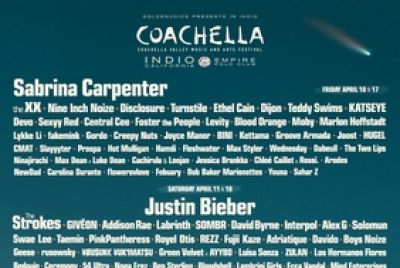
The Canadian pop star's payday, confirmed by multiple industry sources including Rolling Stone, places him at the top of Coachella's historical compensation list. Bieber headlined Saturday nights on both the April 10-12 and April 17-19 weekends at the Empire Polo Club, performing for sellout crowds amid a lineup that also featured Sabrina Carpenter on Fridays and Karol G on Sundays — the first Latina artist to headline the desert gathering.
According to reports, Bieber negotiated the deal directly with promoter Goldenvoice without an agent, securing approximately $5 million per weekend. The figure surpasses previous benchmarks, including Beyoncé's reported $8 million in 2018 and similar payouts for Ariana Grande, Lady Gaga and The Weeknd. Industry insiders described the sum as "north of $10 million" total, making Bieber the clear top earner among all 2026 performers.
Coachella headliners typically command mid-seven-figure fees, often around $5 million per weekend for two appearances, but payouts can vary based on negotiating power, career stage and promotional value. Bieber's deal reflects his enduring global appeal and recent momentum from the "Swag" project, even as his set drew mixed reviews for its unconventional, laptop-driven format featuring YouTube clips and nostalgic hits.
Sabrina Carpenter, who delivered polished pop spectacles with celebrity cameos, reportedly earned around $5 million total for her two Friday headlining sets. Karol G, celebrated for vibrant reggaeton energy and historic representation, is estimated in the $5 million to $8 million range, though her team noted she invested significantly more — up to three times her fee — in production costs alone. These figures align with standard headliner rates but fall short of Bieber's reported total.
Lower on the bill, acts like The Strokes were estimated at around $4 million, while electronic project Anyma and other mid-tier performers earned substantially less. Emerging or supporting artists often receive fees starting from $10,000 upward, highlighting the wide pay disparity across the festival's more than 100 acts.
The compensation structure underscores Coachella's economics. Goldenvoice, owned by AEG Presents, invests heavily in talent to drive ticket sales, sponsorships and livestream revenue via YouTube. Tickets for 2026 sold out rapidly after the September 2025 announcement, with resale prices soaring above $2,000 in some cases. The event's cultural cachet allows it to attract top talent, but headliners bear significant production expenses that can erode net earnings.
Bieber's set, which featured him reacting to old music videos and crowd sing-alongs, sparked debate. Critics called it low-energy or "lazy" compared to Carpenter's high-production show or Karol G's dynamic performance. Yet the financial upside remained undisputed. An insider told Rolling Stone that Bieber is "fully in the driver's seat," crediting his direct negotiation and catalog strength for the groundbreaking deal.
Festival economics have evolved since Coachella's early days, when payouts were far more modest. Historical benchmarks include Prince earning $5 million in 2008 for one weekend and Radiohead receiving $1 million in 2004. Modern headliners benefit from the event's growth into a global brand, with attendance exceeding 100,000 per day and massive digital reach.
Gender pay discussions surfaced in coverage of 2026. Some analysts noted that while male stars like Bieber commanded top dollar, female headliners such as Carpenter and Karol G often landed slightly lower reported figures despite strong draws and cultural impact. Industry experts attribute disparities to legacy status, streaming metrics and negotiating leverage rather than outright bias, though calls for transparency persist.
Non-headliners also earned notable sums in some cases. Past examples, such as Tyler, the Creator reportedly receiving $10 million or more in prior years, show that strong mid-bill or special projects can approach headliner territory. However, for 2026, no supporting act surpassed the headliners' reported earnings.
The festival's two-weekend format amplifies costs and rewards. Artists must prepare essentially identical high-stakes performances twice, factoring in travel, crew and technical rehearsals in the desert environment. Variable weather, shared staging and production limits add complexity, particularly for elaborate shows. Bieber's stripped-down approach may have reduced his overhead while maximizing the guaranteed fee.
As the second weekend concluded on April 19, attention turned to the broader implications. Bieber's record payday could set a new benchmark for future bookings, potentially pressuring organizers to adjust offers for legacy and streaming powerhouses. It also highlights how artists with deep catalogs and fan loyalty can command premium rates even without a fresh album cycle driving the appearance.
Coachella 2026 succeeded commercially despite debates over individual sets. Sabrina Carpenter transformed the main stage into a celebratory pop event. Karol G broke barriers with Latin anthems and guests. Additional highlights included guest appearances, art installations and viral crowd moments. Livestream viewership boosted exposure for all performers, indirectly enhancing long-term earning potential through streams, merch and touring.
For Bieber, the Coachella slot fits a strategic return to live performance after focusing on personal projects and family. His ability to negotiate directly reflects growing artist empowerment in the post-pandemic era, where superstars leverage platforms and data to bypass traditional agents.
Festival organizers have not commented publicly on specific payouts, maintaining that talent fees remain confidential. Goldenvoice emphasizes the event's role in music discovery and community rather than individual compensation.
As reports of Bieber's $10 million fee circulated widely on social media, reactions mixed pride in his achievement with scrutiny over the set's execution. Fans defended the nostalgic format as authentic, while others questioned whether the paycheck matched the onstage energy.
The episode underscores Coachella's dual nature as both a cultural phenomenon and a high-stakes business. While fans experience art, fashion and surprise moments, behind the scenes lies a complex financial ecosystem where headliners like Bieber can walk away with life-changing sums.
Looking ahead, Coachella 2027 speculation will likely include questions about who can match or exceed Bieber's record. For 2026, however, the answer is clear: Justin Bieber earned the largest reported paycheck, cementing his status as the festival's highest-paid performer to date.
The final weekend delivered memorable music across genres, but the financial headline belonged to the Saturday headliner whose deal rewrote the Coachella compensation book.
© Copyright 2026 IBTimes AU. All rights reserved.
- Recommended For You