

(VIDEO) Iranian Missiles Damage US A-10, F-15 Jets At Jordan Air Base In War Escalation After Tanker Strikes
Iran's missile strike on a U.S. air base in Jordan marks a significant escalation in ongoing Middle East tensions.
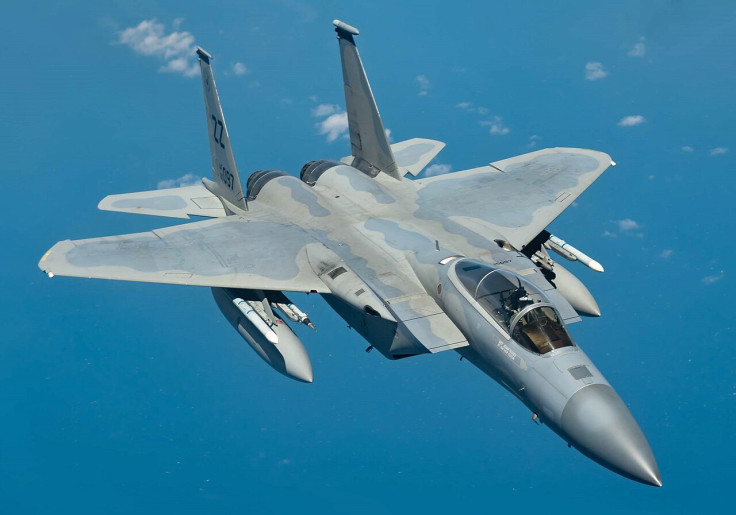
AMMAN, Jordan — Iranian ballistic missiles damaged multiple U.S. military aircraft at a key air base in Jordan this week, marking a significant escalation in the ongoing conflict between the United States and Iran and complicating earlier American assessments that the attack had been largely ineffective.
An A-10 Thunderbolt II suffered severe damage to one of its wings, while approximately eight F-15E Strike Eagle fighter jets sustained lighter damage but remain considered serviceable, according to people familiar with the matter who spoke to Air & Space Forces Magazine. The damage to the American aircraft was first reported by CBS News. A spokesperson for U.S. Central Command did not respond to a request for comment on the reported damage.
The strikes hit Muwaffaq Salti Air Base, a major U.S.-operated air facility in Jordan's Zarqa governorate, also known as Al-Azraq. Iranian state media reported that the country's Islamic Revolutionary Guard Corps launched the attack, describing it as devastating strikes targeting maintenance, preparation and deployment sites for F-35, F-16 and F-15 aircraft stationed at the base.
The attack came directly in response to American military action a day earlier. U.S. forces struck and destroyed five Iranian oil tankers on Sept. 8, according to U.S. Central Command, as the confrontation between the United States and Iran over control of the Strait of Hormuz continued escalating. Iran retaliated by launching a barrage of ballistic missiles toward the American base in Jordan.
Estimates of the total number of missiles fired varied across different reporting. The Jordanian military said its air defense systems detected 20 ballistic missiles launched toward the country from Iran, intercepting or destroying 18 of them. The remaining two missiles landed in unpopulated areas, with Jordan reporting no casualties from the strikes. Jordanian officials said military teams were dispatched to secure areas where missile debris and fragments landed, and urged residents not to approach any debris or circulate unverified information about the incident.
Despite the successful interception rate reported by Jordanian officials, the confirmed damage to American aircraft complicates an earlier assessment from a Trump administration official who had characterized the missile barrage as ineffective against the region's integrated air and missile defense systems. A U.S. official separately told Reuters that American personnel had all been accounted for following the attack, and no U.S. service member deaths or injuries have been reported in connection with the strike.
Iran's Islamic Revolutionary Guard Corps separately claimed it had also targeted eight tankers and two warships during the same round of strikes, though those additional claims have not been independently verified.
Wednesday's attack was not the first time Iran has targeted Muwaffaq Salti Air Base during the broader conflict, which has stretched on for more than six months since fighting between the United States, Israel and Iran first began in late February. According to a Wikipedia timeline tracking Iranian strikes on Jordan, Iran's Revolutionary Guard Corps previously claimed responsibility for a June 11 attack in which it said it targeted the same base with 12 ballistic missiles, hitting a facility housing American F-15, F-35 and F-16 fighter jets, though Jordan said at the time that all missiles in that earlier attack had been intercepted. Iran launched a separate barrage of 10 ballistic missiles at the same base on July 9, with Jordan reporting that eight of those missiles were intercepted and no casualties or damage occurred. The base has emerged as what one analysis described as Iran's "preferred target" outside the Gulf region, given its role hosting American airpower in the broader Middle East.
The current escalation traces back to a coordinated U.S.-Israeli military campaign against Iran that began Feb. 28, targeting Iranian military and nuclear-linked facilities. Iran has since periodically launched retaliatory missile and drone strikes against American bases across the broader Middle East, including facilities in Bahrain, Qatar, the United Arab Emirates, Kuwait and Jordan, with varying degrees of reported damage and interception success across different incidents throughout the conflict.
One of the more significant prior incidents involving confirmed damage to American infrastructure came in June, when the Pentagon confirmed that an Iranian ballistic missile struck Al Udeid Air Base in Qatar, causing what Pentagon spokesperson Sean Parnell described as "minimal damage to equipment and structures on the base." Satellite imagery reviewed by Business Insider at the time showed scorched earth and damage to a building adjacent to a $15 million geodesic communications dome at the facility, marking the first time a U.S. official had publicly acknowledged a direct Iranian missile hit on an American base during the conflict.
Wednesday's confirmed damage to U.S. aircraft in Jordan adds to a growing body of evidence suggesting Iran's missile capabilities have periodically been able to penetrate American and allied air defense systems despite generally high interception rates reported across most individual attacks throughout the war. Defense analysts have continued monitoring the trajectory of the conflict closely, given the pattern of escalating strikes following each major American military action, including the tanker strikes that immediately preceded Wednesday's retaliatory missile barrage.
With the conflict now well into its seventh month and showing continued signs of escalation on multiple fronts, including the confirmed aircraft damage in Jordan, attention remains focused on whether the current cycle of American strikes and Iranian retaliation will continue indefinitely or whether renewed diplomatic efforts might eventually produce a more durable resolution to the ongoing hostilities. For now, U.S. Central Command and Jordanian military officials have not provided a full public accounting of the total extent of damage sustained at Muwaffaq Salti Air Base, leaving significant elements of Wednesday's attack still under review as both American and Jordanian authorities continue assessing the incident's full impact.
© Copyright 2026 IBTimes AU. All rights reserved.