Hungary Election 2026: Trump Administration Throws Full Weight Behind Orbán as Hungary Votes in Election
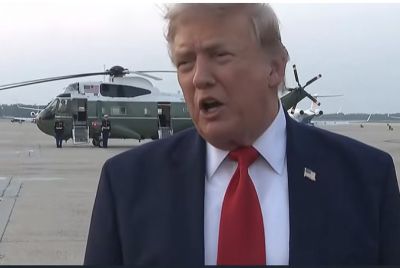
BUDAPEST, Hungary — The Trump administration has openly backed Prime Minister Viktor Orbán in Hungary's fiercely contested parliamentary election, with President Donald Trump pledging U.S. economic might to support the longtime leader and Vice President JD Vance campaigning alongside him in Budapest just days before polls opened.

As Hungarians cast ballots Sunday in what many describe as the most consequential vote since the fall of communism, the unusually direct American intervention highlighted Orbán's status as a key ideological ally for the MAGA movement despite his government's clashes with the European Union and warmer ties to Russia. With record turnout reported at nearly 78 percent by late afternoon, early projections suggested challenger Péter Magyar and his Tisza party held a strong lead, raising questions about whether U.S. endorsement could sway the outcome or backfire.
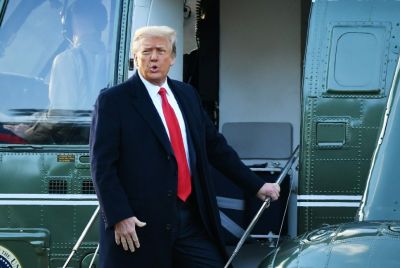
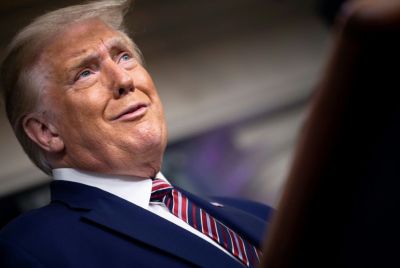
Trump has repeatedly endorsed Orbán, calling him a "truly strong and powerful leader" who protects borders, promotes law and order and delivers economic results. In a Truth Social post Friday, Trump went further, writing that his administration "stands ready to use the full Economic Might of the United States to strengthen Hungary's Economy" if Orbán and Hungarians need it. He added that the U.S. is "excited to invest in the future prosperity that will be generated by Orbán's continued leadership."
Vance made the support even more visible, spending two days in Budapest earlier this week. He appeared at a campaign rally with Orbán, called Trump live from the stage and urged Hungarians to "stand with Viktor Orbán because he stands for you." Vance praised the partnership between the two leaders and criticized what he described as foreign interference from the EU against Orbán's government.
The high-profile backing underscores how Orbán, 62, has become a symbol for conservative nationalists worldwide. Trump and his allies view Hungary's "illiberal democracy" — marked by strict immigration controls, resistance to progressive social policies and skepticism of deeper EU integration — as a model worth defending. Secretary of State Marco Rubio earlier told Orbán that Trump is "deeply committed to your success, because your success is our success."
Yet the intervention comes as Orbán faces his toughest electoral test in 16 years. Independent polls, including those from Medián and AtlasIntel, showed Tisza leading Fidesz by 10 to 17 percentage points in the final days. Projections suggested Magyar's center-right, anti-corruption party could capture 135 or more seats in the 199-seat National Assembly, potentially securing a supermajority to amend the constitution and unlock billions in frozen EU funds.
Magyar, 43, a former Orbán insider turned fierce critic, has tapped into voter frustration over corruption allegations, cronyism, inflation and emigration of young talent. His Tisza party, rebranded around respect, freedom and European values, drew massive crowds and benefited from high turnout that appeared to favor the opposition. Orbán's Fidesz-KDNP alliance, long dominant through media control and a gerrymandered electoral system, trailed in most neutral surveys despite structural advantages.
The U.S. role has drawn sharp criticism from opposition figures and some European leaders, who accuse Washington of interfering in a sovereign election. Magyar's camp portrayed the Trump-Vance visits as evidence that Orbán prioritizes foreign strongmen over Hungarian interests. Orbán, meanwhile, welcomed the support while framing the vote as a defense of national sovereignty against Brussels and "globalist" forces.
For the Trump administration, Hungary represents more than one small NATO ally. Orbán has repeatedly blocked or delayed EU decisions on Ukraine aid, sanctions against Russia and migration policy — positions that align with Trump's America First approach and skepticism of endless foreign entanglements. A continued Orbán government could help fragment EU unity on issues important to Washington, while a Tisza victory might realign Budapest with mainstream European policy, easing tensions with Kyiv and Brussels.
Analysts note the irony of Trump and Russian President Vladimir Putin both rooting for the same outcome, though for different reasons. Moscow benefits from Orbán's veto power slowing Western support for Ukraine, while Trump sees a reliable partner who shares views on immigration, energy and resisting "woke" ideology. Some U.S. conservatives have studied Orbán's playbook on cultural issues and institutional reform, viewing Budapest as a conservative laboratory.
Despite the high-level endorsements, many experts doubt foreign backing will decide the race. Domestic concerns — rising living costs, perceived elite corruption and fatigue after 16 years of one-party dominance — dominate voter priorities. Hungary's complex electoral system, which favors the largest party in single-member districts and rewards diaspora votes that lean heavily Fidesz, still gives Orbán a path to survival if the margin narrows. Yet most projections indicated Tisza would overcome those barriers with a comfortable popular vote lead.
Orbán cast his ballot early Sunday near Zsámbék, telling reporters the election was a "battle for Hungary's future." He warned that a Tisza win would expose the country to mass migration and erode sovereignty. Magyar voted in central Budapest and called for "system change," promising judicial independence, media pluralism and economic modernization to attract investment and recover EU funds.
International observers monitored the process closely amid fraud allegations from both sides. The National Election Office said preliminary results would emerge late Sunday, with full confirmation possibly delayed until later in the week due to mail-in and diaspora ballots. Turnout figures suggested intense mobilization, exceeding recent elections and potentially signaling a desire for change.
A Tisza victory would mark a stunning reversal, ending Orbán's uninterrupted rule since 2010 and weakening the populist right across Europe. It could also test Trump's influence abroad; the president has a history of preferring winners, and a loss for his "fantastic guy" in Budapest might sting. Conversely, an Orbán hold despite trailing polls would validate the administration's aggressive support and reinforce narratives of resilient national conservatism.
For Hungarians, the stakes extend beyond personalities. Orbán's model has delivered low unemployment and infrastructure projects but drawn EU censure over rule-of-law issues, leading to withheld recovery funds. Magyar promises transparency and reintegration with European mainstream, which could boost investment and living standards but risks alienating rural and older voters attached to Fidesz's patriotic messaging.
The election also carries implications for NATO, Ukraine and transatlantic relations. Hungary's veto power has frustrated allies seeking unified responses to Russian aggression. A more cooperative government under Magyar might ease those frictions, while continued Orbán rule could prolong gridlock.
As counting continued into the night, crowds gathered in Budapest with a mix of anticipation and tension. Supporters on both sides traded chants, reflecting deep polarization after years of Orbán's transformative — and divisive — governance.
Whatever the final tally, Sunday's vote has already exposed cracks in what once seemed an unassailable political machine. The Trump administration's very public bet on Orbán adds another layer of drama to a contest already watched from Washington to Moscow and Brussels. In a small Central European nation, the world sees a test of whether ideological alliances can overcome domestic discontent, and whether external endorsements help or hinder in the age of populist resurgence.
© Copyright 2026 IBTimes AU. All rights reserved.
- Recommended For You