Messi Maradona or Pele? Ranking the Greatest World Cup Legends of All Time
Exploring the enduring debate over the greatest World Cup players as the 2026 tournament unfolds.

As the 2026 FIFA World Cup unfolds across North America, debates over the greatest players to grace the tournament's storied history have intensified, with Lionel Messi, Diego Maradona and Pelé remaining at the center of discussions about who stands tallest among soccer's immortals.
Pelé, the only player to win three World Cups, frequently tops expert rankings for his unparalleled impact across multiple eras. Maradona's magical 1986 campaign and Messi's triumphant 2022 victory each carry unique claims to supremacy, reflecting different generations and styles of play.
A recent BBC Sport ranking captured the essence of this perennial conversation by placing Pelé first, followed by Maradona and then Ronaldo Nazário, with Messi in fourth. Other lists from outlets like Sports Illustrated and The Independent echo similar sentiments while acknowledging the subjective nature of such evaluations.
1. Pelé (Brazil) The Brazilian legend remains the benchmark. Winning titles in 1958, 1962 and 1970, Pelé scored in two finals as a teenager and delivered consistent excellence. His 12 World Cup goals and iconic moments, including the 1958 final hat-trick contribution, cemented a legacy unmatched in longevity and team success.
2. Diego Maradona (Argentina) Maradona's 1986 tournament stands as one of the most dominant individual performances ever. Carrying Argentina to victory with the "Hand of God" and "Goal of the Century" against England, he embodied genius and controversy. His leadership and flair in a single-handed run remain legendary.
3. Ronaldo Nazário (Brazil) The "Phenomenon" overcame injuries to star in 2002, scoring in the final and finishing with a then-record 15 World Cup goals. His 1994 and 2002 titles, combined with explosive skill, place him among the elite.
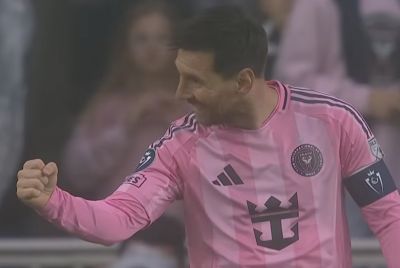
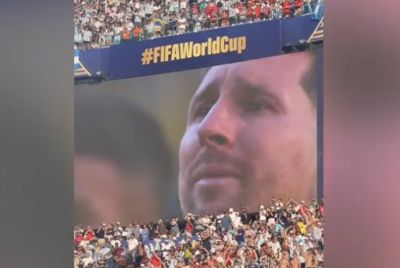
4. Lionel Messi (Argentina) Messi's long-awaited 2022 triumph, where he scored seven goals and provided crucial assists, finally silenced critics. At 35 during that campaign, his vision and leadership elevated Argentina. In 2026, as he potentially plays in his final tournament, Messi continues adding to his legacy.
5. Franz Beckenbauer (Germany) The inventor of the modern libero role, Beckenbauer won as player in 1974 and manager in 1990. His elegance and tactical intelligence defined an era.
6. Garrincha (Brazil) Often overshadowed by Pelé, Garrincha's dribbling wizardry shone in 1962, leading Brazil to victory after Pelé's early injury. His joy and skill epitomized Brazilian flair.
7. Zinedine Zidane (France) Zidane's 1998 final brace and majestic 2006 run, despite the infamous headbutt, showcased unparalleled grace under pressure.
8. Cafu (Brazil) The only player to appear in three consecutive World Cup finals (1994-2002), Cafu won two titles as captain, embodying consistency and leadership.
9. Miroslav Klose (Germany) The all-time World Cup goalscoring leader with 16 goals across multiple tournaments, Klose's clinical finishing powered Germany's successes.
10. Kylian Mbappé (France) or similar emerging names like Bobby Moore or Paolo Rossi round out many lists, highlighting defensive mastery or breakout performances.
These rankings highlight how World Cup success weighs heavily. Pelé's three titles give him an edge in volume, Maradona's singular brilliance captivates purists, and Messi's complete career arc resonates with modern fans.
The debate extends beyond statistics. Pelé represented Brazil's golden age and global popularization of the sport. Maradona symbolized resilience and national pride in 1986 amid political tensions. Messi combined individual excellence with collective achievement in 2022, often compared directly to his predecessors.
During the current 2026 tournament, with Argentina defending their crown and stars like Messi potentially extending their stories, these legacies are revisited. Younger talents such as Lamine Yamal or others may one day join the conversation.
Analysts note that era-specific factors complicate comparisons. Pelé faced fewer teams and different physical demands, while modern players deal with higher tactical sophistication and global scrutiny. Yet the World Cup remains the ultimate measuring stick.
Fan opinions vary widely. Some prioritize titles, others individual impact or longevity. Social media and expert panels frequently revisit these arguments, especially during major tournaments.
Beyond the top tier, players like Johan Cruyff, Alfredo Di Stéfano, and Bobby Charlton contributed immensely, though their World Cup triumphs were limited or absent. The tournament rewards peak performance under immense pressure.
As 2026 progresses, new heroes may emerge, but the pantheon of Pelé, Maradona and Messi endures. Their moments — Pelé's tears of joy, Maradona's solo runs, Messi's lifted trophy — define soccer's greatest stage.
The discussion enriches the sport, celebrating excellence across generations. Whether one favors Pelé's dominance, Maradona's magic or Messi's artistry, these legends elevated the World Cup to its mythical status.
With expanded format and global attention in 2026, the stage is set for potential new chapters. Yet history suggests the established greats will continue dominating conversations for years to come.
© Copyright 2026 IBTimes AU. All rights reserved.
- Recommended For You