Damian Lillard Achilles Injury: How Serious Is It and When Will He Return in 2026?
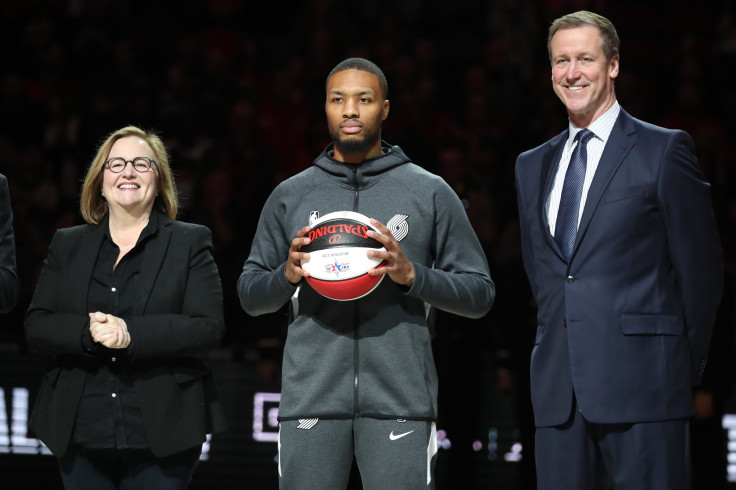
PORTLAND, Ore. — Nine-time All-Star Damian Lillard remains sidelined with a torn left Achilles tendon he suffered more than a year ago, but the Portland Trail Blazers veteran continues steady rehabilitation progress and is targeting a full return for the start of the 2026-27 NBA season.
Lillard, 35, has not played a single game in the 2025-26 campaign after the devastating injury occurred in late April 2025 while he was still with the Milwaukee Bucks. He tore the Achilles in Game 4 of the first-round playoff series against the Indiana Pacers, underwent surgery in early May 2025 and was ruled out for the entire season shortly after signing with his former team, the Trail Blazers, in the offseason.
As of mid-April 2026, the NBA's official injury report listed Lillard as out for Portland's play-in tournament game against the Phoenix Suns with "left Achilles tendon; injury management." He is not expected to participate in any remaining postseason action, if the Blazers advance. The organization has consistently maintained that the plan is to give Lillard the full year to recover rather than rushing him back.
The injury occurred as Lillard was already dealing with a prior deep vein thrombosis diagnosis in his right calf that had sidelined him for several weeks during the 2024-25 regular season. The Achilles tear effectively ended Milwaukee's playoff hopes and marked a painful conclusion to his two-year stint with the Bucks, where he had been acquired in a blockbuster 2023 trade from Portland.
Achilles tendon ruptures are among the most serious injuries in professional basketball, often requiring 10 to 12 months or more for elite athletes to regain pre-injury form. Recovery typically involves surgery followed by months of immobilization, physical therapy and gradual on-court work. For guards like Lillard, who rely on explosive first steps, lateral quickness and repeated jumping, the timeline can be especially challenging.
Lillard has shown encouraging signs during his rehab. In February 2026, he participated in the NBA All-Star Weekend 3-Point Contest in Los Angeles despite not having played a regular-season game. He won the event for the third time in his career, defeating Devin Booker and others with impressive shooting displays that included a logo three-pointer. The performance, coming roughly nine to 10 months after surgery, demonstrated that his shooting touch remains elite even as he avoids full-speed basketball activities.
"I can do a lot, that's where I'll put it," Lillard told reporters after the contest when asked about his physical progress. He emphasized taking his own pace in recovery. "I'm running my own race. If I were 23, 24, 25, I probably would be more competitive about who is doing what, but I know where I am physically. I can feel it."
As of mid-April, Lillard continues individualized rehab sessions that include on-court shooting and light basketball activities, but full-contact, high-intensity play remains off limits, according to recent reports. Blazers officials and medical staff have been cautious, prioritizing long-term health over any short-term contribution to a play-in push.
The decision to bring Lillard back to Portland on a multi-year deal last summer came with full awareness of the injury timeline. General Manager Joe Cronin and Coach Chauncey Billups have spoken positively about Lillard's leadership and mentorship of the team's younger players, including emerging talents like Deni Avdija. Lillard has expressed excitement about rejoining the franchise where he built his legacy as one of the greatest point guards in franchise history.
"Coming back home feels right," Lillard said in earlier interviews about his return. He has remained engaged with the team, attending games and practices when possible while focusing on his recovery.
Historically, players returning from Achilles tears have shown mixed results, particularly those over 30. Kevin Durant made a strong comeback after his 2019 rupture, though he was younger at the time. Other stars have needed a full season or more to regain burst and confidence. At 35 — turning 36 in July 2026 — Lillard faces additional challenges with natural age-related decline in explosiveness.
Still, his shooting ability, basketball IQ and work ethic have fueled optimism within the organization. Lillard has repeatedly stated his goal is to return at or near his previous All-Star level when the 2026-27 season begins in October.
The Blazers have navigated the 2025-26 season without their veteran star, posting a competitive record around .500 that positioned them in the play-in mix in the Western Conference. The team has leaned on a mix of youth and veterans like Jerami Grant, who has dealt with his own injury issues this season.
For Portland fans, Lillard's absence has been felt, but his presence off the court as a mentor has provided intangible value. The franchise, which has not won a championship since 1977, sees the upcoming season as a potential turning point with Lillard healthy and integrated into a developing core.
Medical experts note that modern rehabilitation protocols, including advanced strength training, blood flow restriction therapy and careful load management, have improved outcomes for Achilles injuries. Lillard's dedicated approach, combined with access to top sports medicine resources, positions him better than many past cases.
Yet risks remain. Re-injury rates for Achilles repairs can hover around 10-15 percent in the first year back, and compensatory injuries to the opposite leg or knees are common. The Blazers are expected to monitor his minutes closely upon return and may implement a ramp-up program similar to those used for other star players coming off major surgeries.
Lillard's contract situation adds another layer. His deal with Portland provides stability, but performance incentives or team options could come into play depending on how quickly he regains form. For now, the focus remains squarely on health.
As the 2025-26 season winds down, Lillard's story serves as a reminder of the physical toll on NBA veterans. Once the face of the Trail Blazers for over a decade, known for his loyalty and clutch performances, he now embodies resilience in the face of career-threatening adversity.
Blazers fans and NBA observers will be watching closely this summer as Lillard ramps up his on-court work. Early training camp reports in September and October 2026 will provide the first clear indicators of his readiness.
Until then, the message from the organization and Lillard himself is one of patience and optimism. The injury is serious — a full rupture that ended one season and sidelined him for another — but current signs point to a targeted return for 2026-27 rather than any earlier appearance in the current postseason.
Lillard has beaten long odds before, from undrafted perceptions in college to becoming an All-Star and franchise icon. His latest challenge may prove to be his toughest, yet those closest to him believe the "Dame Time" chapter is far from over.
The coming months will test that belief, as Lillard continues his methodical path back to the court he has dominated for more than a decade.
© Copyright 2026 IBTimes AU. All rights reserved.
- Recommended For You