Luka Doncic Hamstring Update: When Can Lakers Star Exactly Return For 2026 NBA Playoffs?

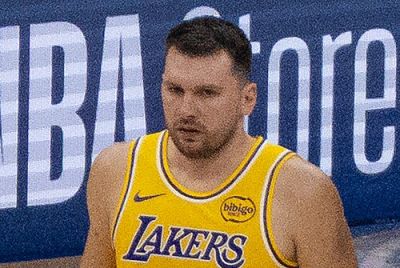
LOS ANGELES — Luka Doncic remains sidelined with a Grade 2 left hamstring strain as the Los Angeles Lakers open their first-round playoff series against the Houston Rockets, but encouraging signs from specialized treatment in Europe have fueled cautious optimism that the superstar could return to the court in early to mid-May if the series extends.
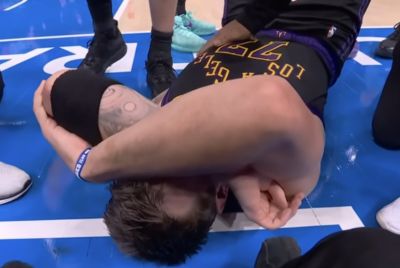
The Slovenian star suffered the non-contact injury on April 2 during a blowout loss to the Oklahoma City Thunder, ending his regular season prematurely. An MRI confirmed the Grade 2 strain, typically requiring four to six weeks of recovery, though the Lakers have described his status as "out indefinitely" with no firm timeline provided by head coach JJ Redick.
As of April 20, 2026, Doncic has not resumed running and continues rehabilitation in Los Angeles after returning from Spain, where he received multiple injections aimed at accelerating healing. The trip, approved by the team, involved regenerative treatments that some insiders believe could shave days or even a week off the standard recovery window.
Lakers insider Jovan Buha reported that Doncic has a shorter projected timetable than teammate Austin Reaves, who is dealing with an oblique strain. Buha noted the possibility of Doncic returning in the middle of the first-round series against the Rockets, depending on how the matchup unfolds and how his body responds to ramped-up activity.
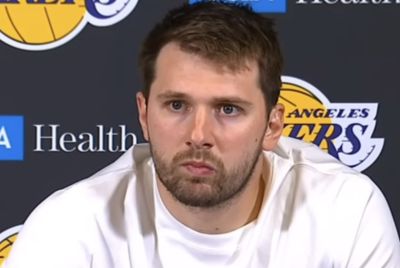
Redick has repeatedly emphasized caution. Speaking after a recent practice, the coach declined to offer any update beyond "out indefinitely," stressing that the team will not rush the two-time MVP candidate back into action. Medical staff are monitoring progress closely to minimize the risk of re-injury, a common concern with hamstring strains that can sideline players for extended periods if not managed properly.
The injury occurred while Doncic was having one of his strongest seasons statistically, positioning him as a leading MVP candidate before the setback. His absence forced the Lakers to lean heavily on LeBron James and role players during the final stretch of the regular season, where they secured the No. 4 seed in the Western Conference.
Playoff implications are significant. The Lakers host the Rockets in Game 1, with the series potentially stretching into late April. If Los Angeles advances, a potential return around May 1 could align with the later stages of the first round or the start of the second round. Historical data on Grade 2 hamstring injuries shows mixed outcomes, with some players returning in three to four weeks under optimal conditions while others require the full six weeks or more to avoid setbacks.
Doncic traveled to Spain in early April for the specialized procedure after consulting with Lakers doctors and his personal medical team. He returned to Los Angeles around April 17-18 and has been working with the team's training staff since. Reports indicate he has been motivated throughout the process, eager to rejoin what he has called his "happy place" on the court.
Team sources have not ruled out a playoff appearance entirely but have tempered expectations for the opening games. The Lakers are preparing as if Doncic and Reaves will miss significant time, adjusting lineups and strategies accordingly. LeBron James has shouldered extra minutes while expressing confidence in the supporting cast's ability to compete in the postseason.
Fan and analyst reactions have been mixed. Some point to the aggressive treatment in Europe as a potential game-changer that could allow an earlier-than-expected return. Others warn against rushing back, citing past examples where premature comebacks led to longer absences. Social media has been filled with debates over optimal return timing, with many Lakers supporters hoping for a boost if the series goes the distance.
The broader NBA landscape has taken note. The Western Conference remains highly competitive, and the Lakers' path becomes considerably more difficult without their primary playmaker and scorer. Doncic's unique combination of size, vision and scoring ability makes his potential return a pivotal "X-factor" that could shift series momentum.
Medical experts note that Grade 2 strains involve partial tearing of muscle fibers, leading to pain, swelling and reduced strength. Recovery protocols typically include rest, physical therapy, progressive loading and sport-specific drills. The injections Doncic received are part of emerging regenerative approaches designed to promote tissue repair faster than traditional methods.
As the series progresses, daily updates from the Lakers' training staff will be closely watched. Re-evaluation milestones, such as pain-free running, cutting and jumping, will determine when — or if — Doncic can participate in games. Even upon return, he may face minutes restrictions or limited explosiveness initially.
The organization has emphasized a long-term view, prioritizing full health over short-term heroics. With the NBA playoffs being a grind of back-to-back-to-back games and travel, ensuring Doncic is truly ready remains the priority.
For now, the Lakers move forward without their star, relying on veteran leadership from James and contributions from the depth chart. Should the series extend, the possibility of Doncic's return offers a glimmer of hope that could energize the roster and fan base alike.
Doncic has remained relatively quiet publicly about the exact timeline, focusing instead on his rehabilitation. His agent, Bill Duffy, has confirmed the commitment to specialized care aimed at expediting recovery while protecting long-term durability.
As April 20, 2026, dawned with Game 1 of Lakers-Rockets approaching, the basketball world waited for clearer signals on one of the league's most dynamic talents. Whether Doncic makes a dramatic mid-series entrance or targets a potential second-round appearance, his presence — or continued absence — will shape the narrative of the Lakers' 2026 playoff journey.
The coming days and weeks will provide more clarity as testing and on-court activity increase. Until then, the message from the Lakers remains one of patience and preparedness, balancing urgency with the realities of a serious soft-tissue injury.
© Copyright 2026 IBTimes AU. All rights reserved.
- Recommended For You