

Bitcoin Tops $65,000 for First Time Since June as Softer US Inflation Data Sparks Crypto Rebound Rally
Cryptocurrency markets rally as U.S. inflation data boosts investor confidence
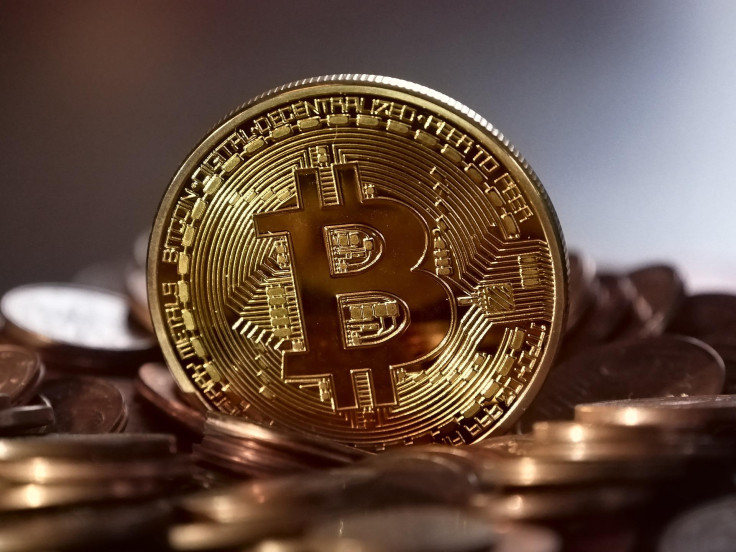
Bitcoin climbed above $65,000 on Wednesday for the first time since June 22, extending a rebound in cryptocurrency markets after a softer-than-expected U.S. inflation reading boosted risk appetite across global financial markets. The world's largest cryptocurrency briefly reached a high of $65,100 before pulling back slightly, trading at $64,786.26 as of 12:44 p.m. UTC, down $202.39, or 0.31%, on the day.
The move added to gains recorded earlier in the session, with Bitcoin priced at $64,630.52 as of 6:30 a.m. Eastern Time, up $2,080.79 from the same time a day earlier, according to figures reported by Fortune. That level remains roughly $53,150 below where Bitcoin traded at this time last year, reflecting the cryptocurrency's steep decline from its most recent all-time high.
Inflation Data Fuels the Rebound
Wednesday's gains were driven largely by fresh U.S. consumer price data showing inflation cooling more than economists had anticipated. The Consumer Price Index fell 0.4% for the month, bringing the annual inflation rate to 3.5%, while core CPI, which excludes volatile food and energy prices, came in at 2.6%.
The softer inflation figures reinforced investor expectations that the Federal Reserve could take a less aggressive approach to interest rate policy in the months ahead, a dynamic that has historically supported gains in risk assets, including cryptocurrencies. The rally also coincided with a wave of short liquidations across crypto derivatives markets, with more than $1.1 billion in short positions liquidated as Bitcoin's price surge caught bearish traders off guard, triggering what traders describe as a short squeeze that accelerated the upward move.
Broader Crypto Market Also Advances
Bitcoin's rally on Wednesday was accompanied by broader gains across the cryptocurrency market. Total crypto trading volume exceeded $73.8 billion over the preceding 24 hours, while the combined market capitalization of all digital assets rose 3% to reach approximately $2.283 trillion.
Among the ten most heavily capitalized digital assets, Hyperliquid led daily gains with a 5.4% increase, pushing its price to $68. Ethereum, the second-largest cryptocurrency by market capitalization, posted a 5.2% gain to reach $1,880. Among a broader set of the top 100 digital assets by market value, Pi Network led daily gains with a 13.6% increase, while DeXe posted the sharpest decline among major tokens, falling 8.4%.
Sentiment Remains Cautious Despite the Rally
Despite Wednesday's price gains, broader market sentiment toward cryptocurrency has remained notably subdued. The Crypto Fear and Greed Index, a widely followed gauge of investor sentiment compiled by Alternative.me, rose to 25 on Wednesday but remained firmly within "extreme fear" territory, even as the pace of panic selling appeared to be slowing compared with prior weeks.
That lingering caution reflects a difficult stretch for the broader crypto market throughout June, when Bitcoin and most major altcoins experienced sustained declines. Bitcoin traded as low as the high $50,000s at points during that period, including a price of $58,278.23 recorded on July 1, before beginning a gradual recovery that has now pushed the cryptocurrency back above the $65,000 threshold for the first time in roughly three weeks.
A Volatile Year for Bitcoin
Wednesday's price action continues a pattern of significant volatility that has characterized Bitcoin's performance throughout 2026. The cryptocurrency reached an all-time high above $71,360 on June 2, a peak partly attributed to continued strength in the broader Bitcoin exchange-traded fund market in the United States. By the end of 2025, however, Bitcoin's price had already fallen roughly 30% below the record high it had reached just months earlier, illustrating the scale of the swings that have defined trading throughout the past year.
Bitcoin's current market capitalization stands at approximately $1.33 trillion, keeping it well ahead of the next-largest cryptocurrency, Ethereum, which currently holds a market capitalization of roughly $233 billion.
A Long History of Extreme Swings
Bitcoin's volatility on display this week is consistent with a broader pattern that has defined the cryptocurrency since its creation in 2009. Over roughly the past decade, Bitcoin's value has climbed more than 15,000%, a remarkable long-term trajectory that has nonetheless included repeated stretches of dramatic losses and gains within short time frames.
The cryptocurrency's early history includes one of its most famous anecdotes: in 2010, developer and early Bitcoin advocate Laszlo Hanyecz paid 10,000 Bitcoins for two pizzas, a transaction now often cited as one of the first real-world uses of the cryptocurrency as a medium of exchange. That same quantity of Bitcoin would today be worth well over $600 million, underscoring just how dramatically the cryptocurrency's value has appreciated since its earliest years, despite the intense volatility that has continued to define its trading patterns.
What's Driving Investor Interest
Bitcoin operates on a decentralized, peer-to-peer network rather than being controlled by any single government, bank or central institution, a structural feature that continues to attract investors seeking alternatives to traditional currencies. Many market participants view Bitcoin as a potential hedge against inflation in the U.S. dollar or as a tool for portfolio diversification, even as its price continues to exhibit far greater volatility than most traditional asset classes.
With Wednesday's rally pushing Bitcoin back above the closely watched $65,000 level, market participants will be closely monitoring whether the cryptocurrency can sustain its recovery in the days ahead, particularly as investors continue to weigh the implications of cooling inflation data against broader geopolitical uncertainty stemming from the ongoing conflict in the Middle East, which has periodically weighed on risk sentiment across both traditional and digital asset markets throughout the year.
© Copyright 2026 IBTimes AU. All rights reserved.