

Bitcoin Climbs Above $61,000 as Markets Eye Recovery Amid ETF Flows and Institutional Interest
Exploring Bitcoin's 2026 market trends amid institutional interest, regulatory changes, and macroeconomic factors.
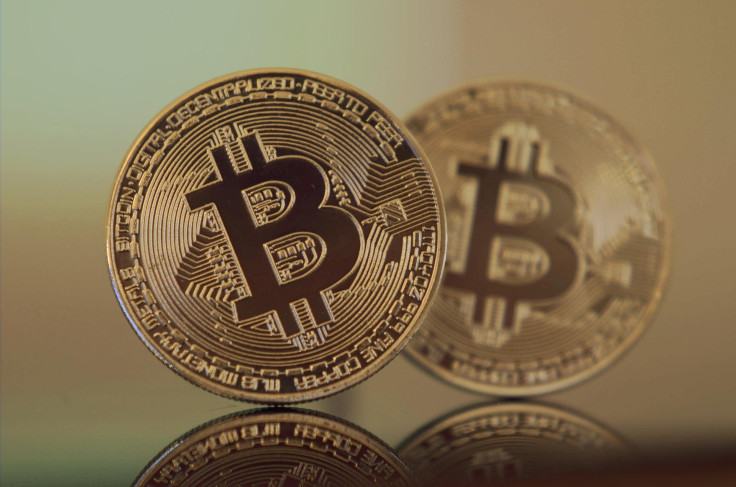
Bitcoin rose more than 2.8% to trade around $61,658 on Thursday, extending a tentative recovery as cryptocurrency investors weighed mixed signals from institutional flows and broader market sentiment heading into the second half of 2026.
The world's largest digital asset has experienced significant volatility this year, pulling back from earlier highs near $90,000 and testing lower supports amid periodic outflows from U.S. spot Bitcoin exchange-traded funds. Thursday's gains helped lift the cryptocurrency off recent lows, reflecting renewed buying interest as some traders bet on stabilization.
Spot Bitcoin ETFs have seen substantial activity throughout 2026, with periods of strong inflows followed by notable outflows. BlackRock's iShares Bitcoin Trust and other major funds have attracted billions in assets since their launch, marking a structural shift toward greater institutional participation even as net flows turned negative in recent months.
Analysts note that ETF outflows in June reached record levels for some periods, contributing to downward pressure on prices. However, longer-term observers point to growing corporate and institutional adoption as a counterbalance, with companies and funds continuing to allocate to Bitcoin as a store of value.
Post-Halving Dynamics and Market Cycle
The April 2024 halving, which reduced the reward for Bitcoin miners by half, continues to influence supply dynamics. Historically, such events have preceded bull runs, though the impact appears more muted this cycle due to larger overall market capitalization and institutional involvement.
Bitcoin's price action in 2026 has deviated from strict adherence to the traditional four-year cycle, with macroeconomic factors, regulatory developments and ETF mechanics playing larger roles. After reaching peaks above $90,000 earlier in the year, the asset corrected amid broader risk-off sentiment in global markets before showing signs of bottoming.
Technical analysts have highlighted support levels near $58,000, with recent trading testing these zones. A sustained move above key resistance could signal further upside, while failure to hold supports might invite additional selling.
Institutional demand remains a key theme. Spot Bitcoin ETFs have accumulated tens of billions in assets, providing easier access for traditional investors. While outflows have dominated headlines at times, inflows during stronger periods underscore persistent interest from asset managers.
Corporate treasuries, led by examples like MicroStrategy, have also bolstered holdings, treating Bitcoin as a treasury reserve asset. This behavior has added a layer of demand less sensitive to short-term price swings.
Regulatory and Macro Influences
The regulatory environment for cryptocurrencies has evolved, with clearer frameworks in some jurisdictions supporting innovation while others maintain caution. U.S. policy shifts, including potential changes in taxation and oversight, continue to influence investor sentiment.
Broader macroeconomic conditions, including interest rate expectations and inflation trends, have weighed on risk assets. Bitcoin's correlation with technology stocks and growth-oriented investments has increased, tying its performance more closely to traditional markets at times.
Geopolitical developments and global liquidity conditions also factor into price movements. As central banks navigate policy decisions, Bitcoin's narrative as "digital gold" — a hedge against fiat currency debasement — has resonated with some long-term holders.
Market participants anticipate potential catalysts in the coming months, including further ETF product developments, potential corporate announcements and advancements in blockchain technology. The upcoming U.S. political cycle could introduce additional variables around crypto-friendly policies.
Technical Outlook and Volatility
Bitcoin's price has demonstrated resilience, bouncing from multi-month lows. Trading volume and open interest in futures markets provide mixed signals, with some metrics indicating capitulation among weaker hands and positioning for a potential rebound.
Options markets reflect uncertainty, pricing in possibilities of both sharp declines and rallies. Volatility remains elevated compared to traditional assets, consistent with Bitcoin's history as a high-beta investment.
Analysts offer a wide range of forecasts for the remainder of 2026 and beyond. Conservative estimates see consolidation around current levels or modest gains, while bullish projections point toward new highs driven by adoption and scarcity. Average predictions often cluster in the $70,000 to $100,000 range by year-end, though outcomes depend on multiple variables.
Short-term traders focus on immediate supports and resistances, while long-term investors emphasize network fundamentals such as hash rate, active addresses and developer activity. Bitcoin's underlying blockchain has maintained high security and uptime, reinforcing confidence in its decentralized architecture.
Adoption Trends and Ecosystem Growth
Beyond price speculation, Bitcoin's utility and adoption continue to expand. Lightning Network developments aim to improve transaction speeds and reduce costs for everyday use. Institutional custody solutions and payment integrations have grown, facilitating greater real-world application.
The ecosystem around Bitcoin, including decentralized finance protocols and non-fungible token activity on related layers, adds to overall interest. While Bitcoin itself primarily serves as a store of value, its dominance influences the broader cryptocurrency market.
Environmental considerations around mining have prompted shifts toward sustainable energy sources, with many operations reporting increased use of renewables. This evolution addresses criticism and aligns with broader ESG trends among investors.
Challenges persist, including scalability debates, regulatory uncertainty and competition from alternative cryptocurrencies. Bitcoin's first-mover advantage and network effects have helped it maintain market leadership, with over 50% dominance in total crypto market capitalization during many periods.
Investor Sentiment and Risks
Sentiment indicators have fluctuated, with fear and greed indexes moving between extremes. Social media discussion and search trends often amplify price movements, creating feedback loops characteristic of the asset class.
Risks for Bitcoin investors include sharp drawdowns, regulatory crackdowns, technological disruptions and macroeconomic shocks. Diversification, long-term horizons and risk management remain standard advice from market observers.
Despite volatility, Bitcoin has delivered substantial returns over multi-year periods for early adopters. Its fixed supply cap of 21 million coins underpins scarcity arguments, particularly as more coins become effectively lost or illiquid over time.
As global adoption grows, with more countries and institutions exploring digital assets, Bitcoin's role in the financial system may evolve further. Central bank digital currencies and blockchain pilots by traditional finance players could either complement or compete with decentralized alternatives.
Thursday's price increase comes as markets digest recent economic data and anticipate corporate earnings seasons that could influence risk appetite. With Bitcoin's correlation to equities remaining relevant, positive developments in technology and growth sectors may provide tailwinds.
Longer-term, the interplay between supply halvings, demand from new investor cohorts and technological maturation will shape Bitcoin's trajectory. While short-term trading remains unpredictable, the asset's underlying properties continue to attract a dedicated base of supporters who view it as a transformative innovation in money and finance.
Bitcoin's journey reflects both the opportunities and pitfalls of emerging asset classes. As it matures, balancing innovation with stability will be crucial for broader acceptance. For now, participants remain focused on the next catalysts that could drive the market into its next phase.
© Copyright 2026 IBTimes AU. All rights reserved.