Ethereum Dips to $2,180 as Ceasefire Rally Fades Amid ETF Inflows and CPI Watch
NEW YORK — Ethereum traded near $2,180 early Friday, easing slightly after a strong midweek surge triggered by a U.S.-Iran ceasefire announcement, while investors weighed renewed institutional interest through spot ETFs against upcoming U.S. inflation data that could sway Federal Reserve policy expectations.
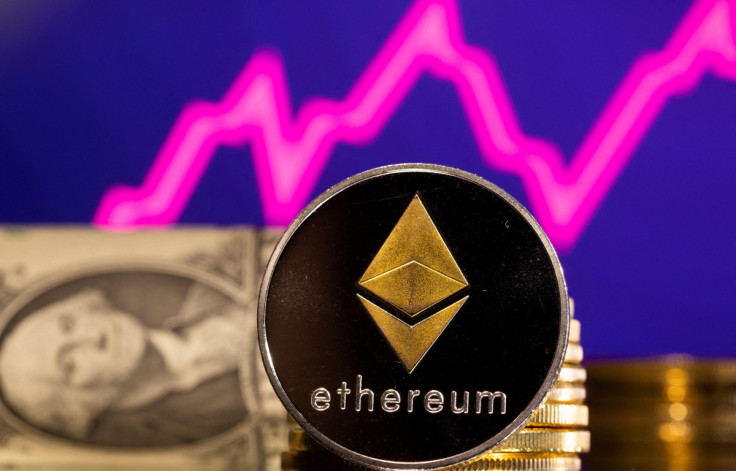
The second-largest cryptocurrency stood at $2,179.74 around 8:07 a.m. UTC on April 10, 2026, down roughly 0.47% for the day, according to market trackers. It had climbed as high as $2,250 earlier in the week on geopolitical relief, marking its strongest short-term move in days, but pared gains in cautious pre-CPI trading. Ethereum remains well below its 2025 peaks near $4,950 yet shows signs of stabilization after a bruising first quarter.
The ceasefire provided the immediate catalyst. President Trump's announcement of a two-week pause in Middle East hostilities reduced risk aversion, lifting Ethereum alongside Bitcoin and broader markets. Oil prices dropped sharply on expectations of resumed flows through the Strait of Hormuz, easing inflation fears tied to energy costs. Ethereum rose more than 6% in one session midweek, outperforming in relative terms as traders rotated into higher-beta assets.
U.S. spot Ethereum ETFs delivered mixed but encouraging signals. The funds recorded a robust $120 million net inflow on April 6 — one of the strongest daily hauls of 2026 — led by BlackRock's iShares Ethereum Trust and Fidelity's offerings. Smaller inflows followed on April 8, though some sessions saw modest outflows. Cumulative flows reflect growing but volatile institutional appetite since the products launched in 2024.
Analysts view ETF activity as a structural support mechanism. Even with periods of net redemptions earlier in the year, the vehicles have channeled billions into Ethereum, providing a counterbalance to retail selling pressure. BlackRock's staked Ethereum product has particularly drawn attention for offering yield exposure within a regulated wrapper.
Friday's March Consumer Price Index release remains the focal point. Forecasters expect headline figures to reflect lingering energy pressures from prior tensions. A hotter-than-anticipated print could reinforce sticky inflation narratives, pushing back anticipated rate cuts and pressuring risk assets like Ethereum. Options markets priced in moderate volatility around the data.
Ethereum's technical posture shows consolidation. It faces resistance near $2,200–$2,250, with analysts targeting $2,500 as a near-term breakout level on sustained momentum. Support clusters around $2,100 and $2,000, levels that have held during recent dips. The ETH/BTC ratio remains subdued, highlighting Bitcoin's current dominance, though Ethereum often amplifies moves in recovery phases.
On-chain metrics paint a resilient picture beneath the surface. Daily active addresses hovered near multi-month highs, while exchange reserves stayed low, suggesting holder conviction. The Ethereum Foundation's recent large staking deposits underscored long-term network commitment despite short-term price volatility. Transaction volumes on the mainnet and Layer 2 solutions remained robust.
Broader market context mirrors Ethereum's cautious tone. Bitcoin held above $71,000, total crypto market capitalization exceeded $2.5 trillion, and altcoins showed limited follow-through. Ethereum's beta characteristics mean it often magnifies Bitcoin's directional moves, both upward and downward.
The ceasefire, while positive, carries inherent fragility. Any resumption of hostilities could reverse risk-on sentiment quickly. Macro headwinds — including trade policy uncertainties and global growth concerns — continue weighing on investor risk appetite. Ethereum's correlation with Nasdaq equities has remained elevated, tying its fortunes closely to traditional markets.
Looking back, 2026 has tested Ethereum holders. The token entered the year near $3,000 before sliding more than 30% in Q1 amid ETF outflows and macro pressures. Recent stabilization around $2,000–$2,200 has sparked technical discussions of potential inverted head-and-shoulders patterns that could fuel a spring rebound.
Proponents highlight Ethereum's fundamental strengths. The network's transition to proof-of-stake, expanding Layer 2 ecosystem, and role in decentralized finance and non-fungible tokens underpin its long-term value proposition. Upcoming protocol improvements and potential regulatory clarity in the U.S. could serve as catalysts later in the year.
Skeptics point to persistent challenges. Competition from faster chains, relatively lackluster ETF performance compared to Bitcoin products, and macroeconomic sensitivity remain hurdles. Prediction markets have at times assigned notable odds to Ethereum losing its No. 2 market cap position, though such scenarios would require significant further downside.
Ethereum's market capitalization stood near $260 billion with daily trading volume exceeding $15 billion. Roughly 120 million ETH are in circulation under its uncapped but issuance-controlled model.
For retail participants, the environment calls for measured positioning. Volatility persists even as infrastructure matures through ETFs and institutional custody solutions. Long-term believers emphasize network utility and adoption metrics, while short-term traders focus on macro releases and geopolitical headlines.
As April 10 trading unfolded, Ethereum appeared to be digesting its recent gains. A soft CPI outcome combined with ceasefire stability could extend the recovery toward $2,300 and beyond. Conversely, negative surprises might test lower supports.
The asset's trajectory in 2026 reflects broader crypto maturation. No longer solely a speculative play, Ethereum now responds to central bank signals, geopolitical shifts and institutional flows with increasing sophistication. Yet it retains its innovative edge as the backbone of decentralized applications.
Market watchers will scrutinize next week's developments closely. Sustained ETF buying, positive macro data and network progress could rebuild momentum. Renewed tensions or policy hawkishness might prompt another leg of consolidation.
At $2,180, Ethereum sits at an inflection point — buoyed by institutional infrastructure and fundamental utility but constrained by macro realities. Whether this level forms a base for renewed upside or faces renewed pressure will depend on the interplay of geopolitics, policy and investor conviction in the weeks ahead. Crypto participants across the board continue monitoring these crosscurrents in what remains a pivotal period for digital assets.
© Copyright 2026 IBTimes AU. All rights reserved.
- Recommended For You