Bitcoin Price Today: BTC Surges Past $75,000 in 2026 Amid Geopolitical Tensions and ETF Inflows
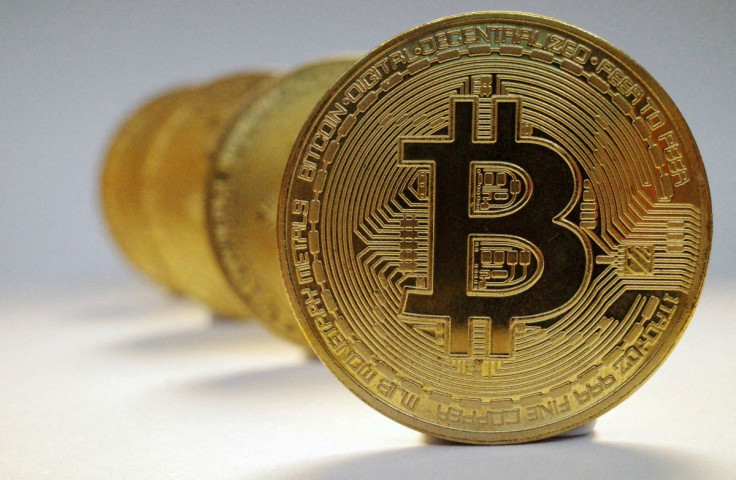
NEW YORK — Bitcoin climbed above $75,000 on Friday, April 17, 2026, trading around $75,200 to $75,800 in early sessions as investors sought a hedge against ongoing Middle East instability and renewed institutional interest in cryptocurrency. The world's largest digital asset rose roughly 1.4 percent in the past 24 hours, extending a rebound from recent lows near $70,000 and marking a one-month high that has reignited optimism among traders.
As of mid-morning Eastern Time, one Bitcoin changed hands at approximately $75,773, according to major tracking platforms. That level reflects a modest recovery from earlier volatility this week, when prices dipped below $71,000 before bouncing on news of supply disruptions in global oil markets tied to the Iran conflict. Bitcoin's correlation with traditional safe-haven assets like gold has strengthened in recent months, helping it outperform equities during periods of geopolitical stress.
The latest uptick comes after Bitcoin hit an all-time high above $126,000 in October 2025 before entering a sharp correction that shaved nearly 50 percent off its value at one point in early 2026. Analysts attribute the post-peak decline to profit-taking, macroeconomic headwinds and shifting Federal Reserve expectations. Yet the cryptocurrency has clawed back ground, rising about 25 percent from its 2026 low near $60,000, fueled by steady inflows into U.S. spot Bitcoin exchange-traded funds and growing corporate adoption.
Spot Bitcoin ETFs, approved in early 2024, continued drawing capital this week despite broader market caution. Daily inflows have averaged hundreds of millions of dollars, providing structural buying pressure that many view as a floor under prices. BlackRock's iShares Bitcoin Trust and Fidelity's offerings led the pack, with cumulative holdings now representing a significant portion of circulating supply. This institutional channel has helped mature Bitcoin's market, reducing reliance on retail speculation that defined earlier cycles.
Geopolitical factors played a prominent role in Friday's movement. Disruptions in the Strait of Hormuz — a critical chokepoint for global oil shipments — sent crude prices higher and boosted demand for alternative stores of value. Bitcoin, often called "digital gold," benefited as some investors rotated out of traditional assets amid uncertainty. Earlier in the week, prices surged past $72,000 on similar headlines, underscoring the asset's sensitivity to macro shocks in 2026.
Technical indicators show mixed but improving signals. Bitcoin broke above the key $74,000 resistance level on April 14, reaching toward $76,000 before consolidating. The 50-day moving average sits near $73,500, acting as dynamic support. Analysts watch the $80,000 level as the next major psychological barrier, with some forecasting a test before summer if ETF flows remain robust. On-chain metrics reveal whale accumulation and declining exchange reserves, suggesting long-term holders are not rushing to sell.
Market sentiment has shifted cautiously bullish. Prediction markets and analyst surveys give high probability to Bitcoin testing $90,000 or higher sometime in April, though more conservative forecasts see consolidation around current levels through May. Year-to-date performance remains positive despite the earlier drawdown, with Bitcoin still trading well above where it stood at the start of 2025.
Broader cryptocurrency market followed Bitcoin's lead. Ethereum traded near $2,340, up modestly, while Solana and other altcoins posted smaller gains. Total crypto market capitalization hovered above $2.8 trillion, with Bitcoin dominance steady around 55 percent. Volatility remained elevated, typical for the asset class during news-driven periods.
Regulatory developments continue shaping the landscape. A more crypto-friendly posture in Washington under the current administration has reduced some enforcement risks, though global oversight varies. In Europe and Asia, authorities balance innovation with consumer protection, creating a patchwork that influences capital flows. U.S. lawmakers have floated stablecoin legislation and clearer frameworks for digital assets, potentially providing tailwinds later in 2026.
Corporate treasury adoption adds another layer of support. Several public companies added Bitcoin to balance sheets in recent quarters, following MicroStrategy's long-standing strategy. Smaller firms and even some municipalities have explored allocations, viewing the asset as an inflation hedge and growth play. This institutionalization has dampened extreme swings compared with prior bull runs.
Challenges persist. Macroeconomic uncertainty, including sticky inflation and potential recession signals, could cap upside if risk appetite fades. Higher interest rates for longer would pressure speculative assets, though Bitcoin has shown resilience. Energy consumption debates and environmental concerns around mining also linger, even as more operations shift toward renewable sources.
Looking ahead, the April 2026 halving aftermath — the event occurred in 2024 — traditionally ushers in bullish periods, with historical patterns showing peak gains 12 to 18 months later. Some analysts project Bitcoin could reach $100,000 by year-end in a base case, with optimistic scenarios eyeing $120,000 or more if adoption accelerates. Bearish views warn of retests toward $60,000 if broader markets weaken.
Retail investor interest has rebounded with the price recovery. Social media platforms buzz with discussions of "buy the dip" narratives, though seasoned observers caution against over-leveraged positions given Bitcoin's history of sharp corrections. Educational resources and easier on-ramps through apps have lowered barriers, bringing new participants into the ecosystem.
Bitcoin's role in the global financial system continues evolving. From a niche digital experiment to a multi-trillion-dollar asset class, it now sits alongside traditional commodities in many portfolios. Central banks and sovereign wealth funds have begun small allocations in some jurisdictions, signaling mainstream acceptance that seemed distant just a few years ago.
For everyday observers, Friday's price action serves as a reminder of Bitcoin's dual nature: volatile in the short term yet increasingly viewed as a long-term store of value. Those holding through the 2025 peak and 2026 correction have seen significant swings, but many remain committed to the thesis of scarcity — only 21 million coins will ever exist — and growing utility in payments and DeFi applications.
As trading volume surged on major exchanges, market participants awaited weekend developments that could influence direction. Low liquidity periods often amplify moves, so caution remains advised. Meanwhile, developers push forward with layer-two solutions and scalability improvements aimed at making Bitcoin more practical for everyday use.
The coming weeks will test whether the current rally has legs or represents another consolidation phase. Key levels to watch include support near $73,000 and resistance at $78,000-$80,000. Broader economic data, including inflation reports and Fed commentary, will likely sway sentiment alongside crypto-specific news.
Bitcoin's journey in 2026 reflects its maturation. No longer purely speculative, it responds to real-world events while retaining the explosive potential that captivated early adopters. Whether it breaks to new highs or faces renewed pressure, the asset remains a focal point for investors navigating an uncertain world.
For those tracking prices daily, tools like CoinMarketCap, Yahoo Finance and exchange apps provide real-time updates. As always, cryptocurrency investments carry risk, and individuals should conduct thorough research or consult advisors before making decisions.
Friday's move above $75,000 injects fresh energy into the crypto conversation at a pivotal moment. With geopolitical risks elevated and institutional infrastructure in place, Bitcoin appears positioned for continued relevance — and potential volatility — throughout the remainder of 2026.
© Copyright 2026 IBTimes AU. All rights reserved.
- Recommended For You