Bitcoin Drops to $76,813 as 0.72% Dip Triggers Volatility Concerns in April 2026
NEW YORK — Bitcoin fell 0.72% to $76,813 on Tuesday, April 28, 2026, extending a period of consolidation for the leading cryptocurrency as investors weighed macroeconomic signals, institutional buying and lingering uncertainty in the broader digital asset market.

The decline of roughly $559 from recent levels came amid moderate trading volume, with the asset trading in a relatively narrow range after touching higher marks near $79,000 earlier in the month. At 9:17 a.m. UTC, the pullback reflected cautious sentiment despite ongoing positive developments such as corporate accumulation and potential regulatory clarity.
Bitcoin has experienced significant swings in 2026. After reaching all-time highs above $126,000 in late 2025, the cryptocurrency faced sharp corrections, dropping as much as 50% at points before stabilizing in the mid-$70,000 range. Tuesday's modest decline fits a pattern of volatility that has characterized the year, with analysts noting both bullish long-term catalysts and near-term headwinds.
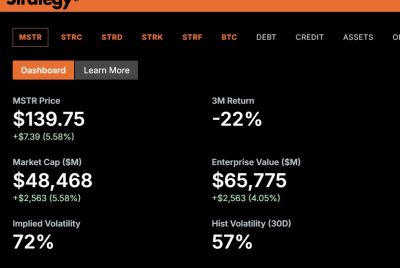
Institutional interest remained a bright spot. MicroStrategy, a major corporate holder, continued its aggressive Bitcoin acquisition strategy, announcing another substantial purchase of $255 million worth of the asset in recent days. Such moves by public companies have provided underlying support, reinforcing Bitcoin's appeal as a treasury reserve asset amid traditional market fluctuations.
Spot Bitcoin ETFs also continued to see activity, though flows have been mixed compared to the massive inflows of prior years. The iShares Bitcoin Trust and similar products have helped democratize access while adding liquidity, yet periodic outflows have contributed to price pressure during risk-off periods.
Broader market context played a role in Tuesday's dip. Bitcoin's price movements have shown an unusually strong negative correlation with the U.S. dollar index in recent weeks, reaching extremes not seen in nearly four years. As the dollar strengthened on geopolitical and inflation data, Bitcoin faced countervailing pressure despite its historical role as a hedge.
Analysts offered divided outlooks. Some, including Bloomberg Intelligence's Mike McGlone, cautioned that failure to hold above key levels like $75,000 could signal further downside, potentially testing lower supports. Others viewed the current range as a healthy consolidation phase following 2025's explosive gains, positioning Bitcoin for renewed upside later in 2026.
Positive regulatory signals provided some counterbalance. Discussions around the Clarity Act in Congress, with markup expected in May, have raised hopes for clearer U.S. rules governing digital assets. Pro-crypto lawmakers, including Sen. Cynthia Lummis, have emphasized positioning America as a global Bitcoin leader, potentially boosting investor confidence over the medium term.
On-chain metrics showed resilience. Large holders, often called whales, continued accumulating, while exchange reserves remained relatively low — a factor historically associated with reduced selling pressure. Network fundamentals, including hash rate and transaction volumes, stayed robust, underscoring Bitcoin's underlying strength despite price volatility.
Ethereum and other major cryptocurrencies traded similarly, with the total crypto market capitalization hovering near recent levels. Altcoins showed mixed performance, as capital rotated cautiously amid Bitcoin's dominance.
Market watchers highlighted several potential catalysts for the coming weeks. Federal Reserve policy decisions, any breakthroughs in geopolitical tensions, and quarterly corporate earnings could influence risk appetite. Additionally, the upcoming halving cycle's longer-term effects — though the most recent event was in 2024 — continue to shape supply dynamics and investor narratives.
Critics of Bitcoin's volatility pointed to its sensitivity to macroeconomic shifts and speculative trading. Despite growing mainstream adoption, the asset remains prone to sharp moves, testing the resolve of retail and institutional holders alike. Comparisons to gold persisted, with Bitcoin outperforming the yellow metal in April on a relative basis in some periods, though both faced pressure from a stronger dollar.
For retail investors, Tuesday's dip served as a reminder of Bitcoin's risk-reward profile. Those who bought during lower points in early 2026 saw gains, while late entrants from 2025 highs remained underwater. Financial advisors continued to recommend dollar-cost averaging and portfolio allocation limits for those exposed to crypto.
Looking forward, many forecasts for the remainder of 2026 remain constructive. ARK Invest's Big Ideas report and similar analyses highlighted Bitcoin's potential role in portfolios amid technological and monetary evolution. Institutional adoption through ETFs, corporate treasuries and sovereign interest could provide sustained demand.
Yet risks abound. Regulatory surprises, shifts in global liquidity, or broader risk-off events in equities could trigger additional downside. Technical analysts watched key support levels around $75,000 and resistance near $80,000, with a decisive break potentially setting the tone for coming months.
Bitcoin's price action on April 28 underscored the maturing yet still volatile nature of the cryptocurrency market. As it hovered near $76,800, the asset continued to command attention from Wall Street, governments and everyday investors navigating an evolving financial landscape. Whether the current consolidation leads to breakout or further correction remains a central question heading into May.
The day's trading reflected broader themes: institutional conviction clashing with short-term macro pressures. With significant corporate buying, regulatory tailwinds on the horizon and strong network metrics, many long-term believers viewed dips like Tuesday's as potential entry points rather than warning signs.
As markets digest the latest move, all eyes turn to upcoming economic data and policy signals that could sway Bitcoin's trajectory. For now, the cryptocurrency remains a focal point in discussions about the future of money, technology and investment strategy in 2026.
© Copyright 2026 IBTimes AU. All rights reserved.
- Recommended For You