Saudi Aramco Stock Surges Amid Geopolitical Tensions Following Drone Strike on Ras Tanura Refinery
Shares of Saudi Arabian Oil Co., commonly known as Saudi Aramco, climbed sharply in recent trading sessions as escalating Middle East tensions, including a reported drone strike on one of its key facilities, rattled regional markets while boosting investor interest in the world's largest oil producer.
The company's stock (ticker: 2222 on the Saudi Exchange, or Tadawul) closed at 25.80 Saudi riyals (approximately $6.88) on March 1, marking a 3.37% gain from the previous close of 24.96 riyals. Trading volume reached nearly 21 million shares, reflecting heightened activity. As of early March 2 trading, the stock showed further modest gains, hovering around 26.10 riyals in some reports, with a day's range between 25.96 and 26.36 riyals.
The surge came against a backdrop of broader market declines in Saudi Arabia and the Gulf region. The Tadawul All Share Index fell more than 2% in early Sunday trading, dragged down by banking and materials sectors, but Aramco's performance helped limit losses for the benchmark. Analysts attributed the resilience and upward movement in Aramco shares to perceptions that geopolitical risks could support higher oil prices, benefiting the state-owned giant.
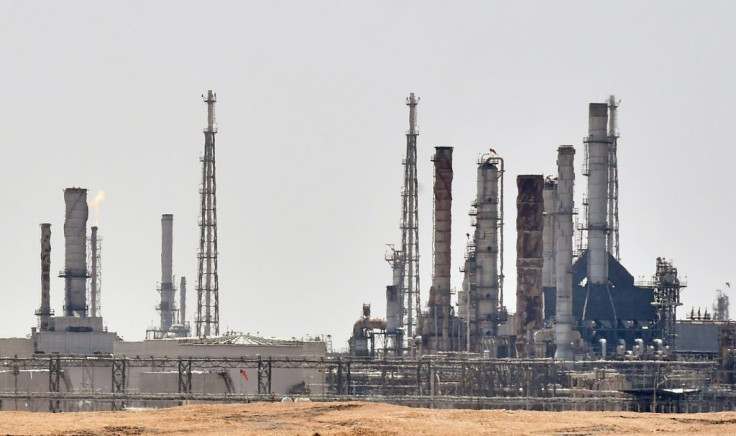
The catalyst appeared to be an incident at the Ras Tanura refinery, one of the world's largest refining and export complexes. Reports from multiple sources, including Reuters and Semafor, indicated that a drone strike — reportedly linked to Iranian activities amid ongoing regional conflicts involving Israel, Iran, and broader Middle East escalations — forced a temporary shutdown of the facility. A small, isolated fire was reported and brought under control, with no confirmed casualties, according to industry sources. The closure, however, raised immediate concerns about potential disruptions to global oil supply chains, particularly through the Strait of Hormuz, a critical chokepoint for energy exports.
Oil prices responded by surging past $80 per barrel in some benchmarks, with analysts warning of further increases if delays or restrictions persist in the region. Such developments typically favor Aramco, given its dominant position in crude production and exports. The company produces millions of barrels daily and plays a pivotal role in OPEC+ decisions on output levels.
"This event underscores the persistent risks to energy infrastructure in the Middle East," said one energy market observer familiar with regional dynamics. "While the operational impact may prove limited in the short term, the market is pricing in a risk premium that supports higher crude values — and by extension, Aramco's valuation."
Aramco's market capitalization stands at approximately 6.04 trillion to 6.31 trillion Saudi riyals (roughly $1.6 trillion to $1.68 trillion USD, depending on exchange rates), making it one of the most valuable publicly traded companies globally. The stock has shown volatility in early 2026, with a 52-week range from 23.04 riyals to 27.55 riyals. Year-to-date performance has been positive at around 9.53%, outperforming the broader Tadawul index's 0.98% gain, though longer-term returns vary: a 1-year return of about 1.12% and a 3-year return of 6.64%.
The company continues to advance its strategic initiatives amid these challenges. Recent developments include the start of operations at the Jafurah gas field and the Tanajib gas plant, aimed at boosting natural gas output and supporting Saudi Arabia's efforts to diversify energy resources beyond crude oil. Aramco has also sold its first cargoes of condensate from Jafurah to U.S. firms, signaling expanding export markets. Additionally, the company completed a multi-tranche dollar bond sale earlier in the year, reinforcing its access to international capital.
Dividend remains a key attraction for investors. Aramco offers a forward dividend yield around 5.08%, with an annual payout of 1.31 riyals per share based on recent distributions. The ex-dividend date for the most recent period was in November 2025.
Looking ahead, Aramco's next earnings report, covering the fourth quarter of 2025, is scheduled for March 10, 2026. Analysts estimate earnings per share at 0.38 riyals, with revenue projections varying based on prevailing oil prices.
Geopolitical factors continue to dominate sentiment. Escalating U.S.-Iran tensions and spillover from the Israel-Iran conflict have heightened fears of supply disruptions, even as Saudi officials and Aramco emphasize operational resilience. The Ras Tanura incident, while contained, serves as a reminder of vulnerabilities in global energy systems.
Despite the uptick, some caution persists. Broader Gulf markets, including those in Egypt and the UAE (where trading was set to close on certain days amid regional holidays or events), have faced pressure from banking sector weakness and materials declines. Aramco's ability to outperform stems from its role as a proxy for oil price movements and its status as a cornerstone of Saudi Vision 2030 economic diversification efforts.
Investors monitoring 2222 stock will watch closely for updates on the refinery's restart timeline, any official statements from Aramco or the Saudi government, and evolving oil market dynamics. While short-term volatility is likely, the company's fundamentals — vast reserves, low production costs, and strong government backing — position it as a bellwether for energy sector stability in uncertain times.
© Copyright 2026 IBTimes AU. All rights reserved.
- MOST POPULAR IN News