AMD Shares Jump More Than 4% as Chip Stocks Rebound After Week of AI Spending Jitters
The semiconductor stock climbed to $525.10 as investors returned to AI hardware names, while the company's latest earnings and Meta partnership remained in focus.

SANTA CLARA, Calif. — Advanced Micro Devices shares rose 4.15% to $525.10 in midmorning trading Wednesday, up $20.90, as semiconductor stocks bounced after a week of selling tied to fears that safety debates could slow artificial-intelligence infrastructure spending.
The stock had closed Tuesday at $504.20, up 2.19% from Monday's $493.41 finish. Monday's drop of 4.4% came with Intel, Nvidia and Broadcom as investors marked down AI hardware on comments about slowing frontier-model development. Wednesday's bid put AMD back near its Sept. 9 close of $521.10 and within reach of the session high near $525.48. The 52-week range runs from $149.85 to $584.73. The shares are up more than 140% this year.
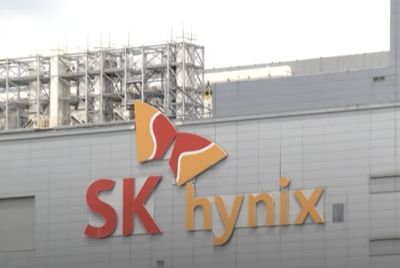
There was no AMD earnings release on Wednesday. Bank of America kept a buy rating on the company and other chip names in a note covered by CNBC on Tuesday. The tape moved with the group: Intel also jumped more than 4% on reports of SK hynix talks over U.S. capacity and on Chief Executive Lip-Bu Tan's comment that Intel can meet only about half of CPU demand.
AMD's last official numbers remain the second quarter, reported Aug. 4. Revenue was $11.5 billion, up 50% from a year earlier. Non-GAAP gross margin was 56%. Non-GAAP earnings were $1.66 a share. GAAP earnings were $1.38. Data-center revenue more than doubled. Chair and Chief Executive Lisa Su called it "an excellent quarter, with record revenue and profitability as Data Center revenue more than doubled year-over-year."
"We enter the second half with strong momentum as EPYC demand accelerates, Instinct deployments scale and Helios begins to ramp," she said. "More broadly, AI is driving a significant expansion in demand for compute across all of our markets, and our leadership portfolio and growing customer visibility position us exceptionally well to capture this expanding opportunity and deliver substantial revenue and earnings growth in the years ahead."
Guidance for the third quarter was revenue of about $13 billion, plus or minus $300 million, up about 41% year over year and about 13% sequentially, with non-GAAP gross margin near 56%. Management said server CPU revenue should grow more than 80% year over year in the second half of 2026. Instinct accelerator sales more than doubled on the MI350 series. Cash and short-term investments were $13.1 billion at quarter-end.
A separate multiyear deal with Meta commits AMD Instinct GPUs toward 6 gigawatts of deployments. AMD issued Meta a performance warrant for up to 160 million shares, with vesting tied to shipments starting at 1 gigawatt and to stock-price hurdles, the last at $600 a share. Su called the pact "another major milestone for AMD's AI strategy."
Chief Financial Officer Jean Hu has described a data-center total addressable market that AMD now puts above $2 trillion by 2030, with company growth targeted faster than that market and earnings "significantly more than $20" over the strategic horizon. Those figures are management targets, not consensus.
Lisa Su sold 95,000 shares on Sept. 10 under a Rule 10b5-1 plan adopted June 8, at weighted prices in the low $500s, and gifted 35,000 shares the same day. She still holds millions of shares directly and through family trusts. The Form 4 did not change Wednesday's tape.
The debate that hit the group last week was whether calls to slow frontier AI would cut server orders. AMD's published book still assumes Helios and MI450 ramps in the second half and a third quarter above $12.7 billion. Wednesday's $525 print is a rebound from $493, not a new high. The high remains $584.73. Until the October earnings date, the stock is a high-beta claim on whether $13 billion lands and whether Instinct shipments keep doubling. Buyers on Wednesday decided the safety scare was not a demand cancel.
© Copyright 2026 IBTimes AU. All rights reserved.
- Recommended For You