Stephen Curry Agrees to Two-Year, $116 Million Extension With Warriors, Becoming NBA's All-Time Top Earner
The deal includes a player option for 2028-29 and makes Curry the first NBA player to surpass $600 million in career salary.
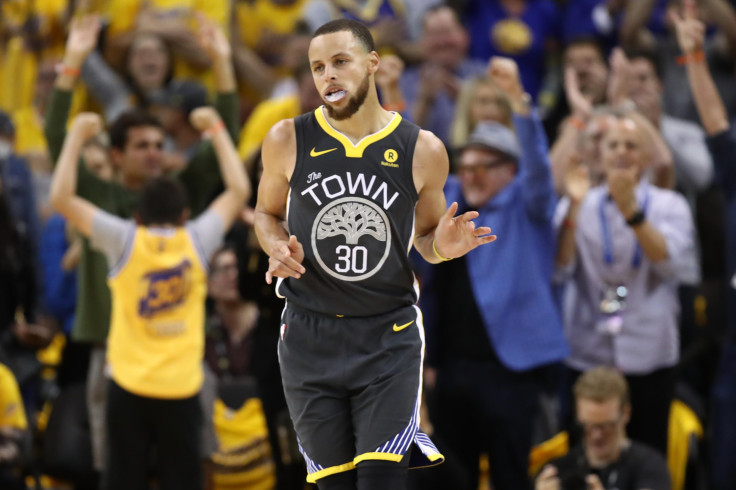
SAN FRANCISCO — Golden State Warriors star Stephen Curry has agreed to a two-year, $116 million contract extension, tying the franchise legend to the only organization he has ever played for through his 20th NBA season, league sources told ESPN's Shams Charania on Friday.
The deal includes a player option for the final season, covering 2028-29, according to those sources. The extension pushes Curry's career on-court earnings to $652 million, making him the first player in NBA history to surpass $600 million in career salary.
Curry had been eligible since August 29 to sign an extension worth up to two years and $136.7 million, the full maximum available to him under the league's salary cap rules. The Warriors presented Curry with several contract options in recent weeks, including the possibility of waiting to sign, but Curry ultimately chose a modest pay cut and long-term security over either the full maximum contract or the uncertainty of delaying his decision for additional flexibility or information, according to team sources.
Under the new deal, Curry's salary will decline from his current $62.6 million to $55.7 million for the 2027-28 season, followed by a player option worth $60.2 million for 2028-29. That structure is expected to provide the Warriors with approximately $10 million in additional projected salary cap space next summer, positioning the team to be a more significant participant in free agency or the trade market over the coming year.
Golden State's broader salary cap picture is shaped by several other expiring contracts alongside Curry's new deal. Both Jimmy Butler III, on a contract worth $56.8 million, and Draymond Green, at $27.6 million, have deals expiring next summer. Veteran center Kristaps Porzingis has only $3 million of his $20 million salary guaranteed for next season. According to ESPN's Bobby Marks, those combined factors could leave the Warriors with somewhere between $38 million and a projected $55 million in cap space, depending on how the team handles Brandin Podziemski's own extension eligibility; Podziemski, who has not yet signed an extension, carries a $17 million cap hold heading into next summer.
Curry took nearly a month to weigh his options, deciding among signing for his full maximum salary, accepting a modest pay cut, or waiting before committing to a new deal. Speaking to ESPN earlier this week, before finalizing his decision, Curry described the complexity of weighing those competing considerations. "We're in a very interesting situation," Curry said. "All the different salary cap conditions of whether I sign for a max or less or whatever it is, I want to be on a competitive team. I want to have an opportunity to have some flexibility because we haven't had that in years past, the recent past. ... This team should have flexibility to make necessary moves if things happen. Those are always just the considerations."
Curry elaborated further on the broader context shaping his decision, pointing to both his own career stage and the team's competitive urgency. "For me, information and patience is key," he said. "It's just a very unique situation all the way around based on where we've been the last four years, where I'm at in my career, what our team looks like this year and the absolute desperation to win. Trying to balance all that."
Curry, who has said he wanted "no drama" surrounding his contract negotiations heading into training camp, ultimately settled on the pay cut and security just three days before the Warriors' first practice of the season, resolving any lingering uncertainty about his future with the franchise before camp began.
The 39-year-old guard missed 39 games last season due to a persistent right knee issue, but said he feels physically ready heading into the new campaign. "The idea of getting back to work is exciting," Curry said. "I feel like I've taken advantage of the offseason. I feel like there's no hesitation about where I'm at physically going in. ... But I'm excited about getting back to work."
Curry's decision to accept a reduced salary in exchange for greater roster flexibility reflects a broader pattern seen among some of the league's most accomplished veteran stars in recent seasons, as players increasingly weigh the value of maximizing team competitiveness against securing the largest possible individual contract, particularly late in their careers when opportunities to win championships may be more limited.
With Curry's extension now in place and the Warriors entering the season with a clearer picture of their salary cap situation for the coming years, the team is positioned to pursue additional roster upgrades over the next 12 months, even as questions remain about how Golden State will ultimately address the expiring contracts held by Butler, Green and Porzingis, and how Podziemski's own extension situation will factor into the team's broader financial planning.
© Copyright 2026 IBTimes AU. All rights reserved.
- Recommended For You