

Spain, France, England Emerge as Top Contenders to Win FIFA World Cup 2026
Top contenders Spain, France, and England gear up for the 2026 FIFA World Cup amidst expanded format and co-hosting challenges.
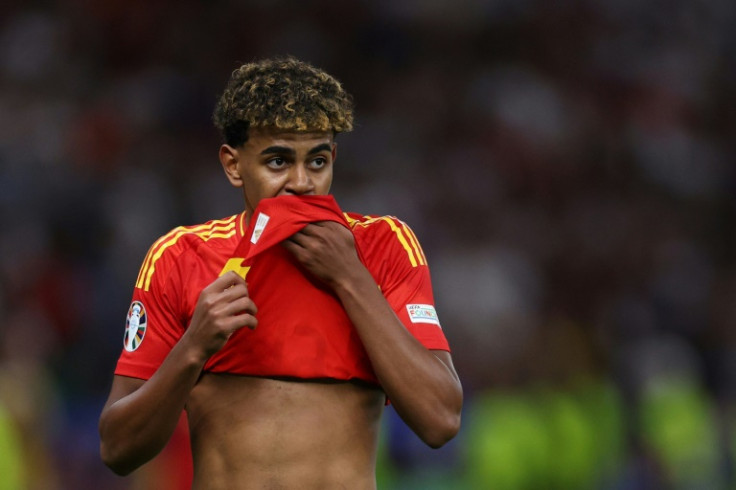
NEW YORK — With the 2026 FIFA World Cup set to kick off across the United States, Canada and Mexico on June 11, global attention has turned to the leading contenders vying for soccer's ultimate prize. Betting markets, power rankings and statistical models point to Spain, France and England as the strongest favorites heading into the expanded 48-team tournament.
Spain currently sits atop most odds lists as narrow favorites, with implied probabilities around 16-17% of lifting the trophy. Fresh off their UEFA European Championship success and boasting a deep, youthful squad featuring stars like Lamine Yamal, the team has impressed with consistent form and tactical flexibility under coach Luis de la Fuente.
France follows closely, often listed as co-favorite or slight underdog depending on the bookmaker. Kylian Mbappé remains the focal point of a star-studded attack, supported by a formidable defense and midfield depth. The French have reached the final in two of the last three World Cups, giving them valuable experience in high-stakes knockout stages.
England rounds out the top three in most assessments, with strong betting support reflecting a talented squad led by Jude Bellingham, Harry Kane and Bukayo Saka. Despite past quarterfinal exits, recent improvements under their coaching staff have positioned the Three Lions as genuine title threats.
The 2026 edition marks the first 48-team World Cup, increasing the number of matches and adding complexity to group stages and knockout paths. Co-hosting across three nations brings logistical challenges but also massive home-region support for teams like the United States, Mexico and Canada, though none rank among the top favorites.
Analysts highlight Spain's balance as a key strength. The squad combines technical excellence with physicality and has gone unbeaten in regulation for extended periods. Opta simulations give Spain the highest chance of victory, around 16%, citing their squad depth and recent tournament pedigree.
France's path benefits from a mix of veteran leadership and emerging talent. Mbappé's individual brilliance often elevates the team in crucial moments, while defensive solidity provides a foundation. However, questions linger around squad harmony and injury management in a demanding schedule.
England enters with high expectations but must overcome historical knockout-stage hurdles. Their attacking options are among the best in the world, yet consistency across the full squad remains a point of scrutiny. Strong qualifying campaigns and Nations League performances have boosted confidence.
Other notable contenders include Argentina, the defending champions, Brazil, Portugal and Germany. Lionel Messi's potential swan song adds emotional weight to Argentina's campaign, though age and form factors could limit their edge. Brazil boasts attacking firepower but faces questions in defense and midfield cohesion.
The group stage draw has created intriguing matchups. Favorites will navigate varied paths, with some benefiting from favorable groupings while others face early tests. The expanded format means more teams advance from groups, potentially allowing stronger sides to recover from early slips.
Host nations add another layer. The United States, in particular, has seen shortened odds due to home advantage and passionate support, though experts view them as long shots compared to European powerhouses. Mexico and Canada similarly benefit from familiarity with venues but lack the depth of top contenders.
Tactical trends point toward high-pressing, possession-dominant styles that Spain and France exemplify. Set-piece proficiency and squad rotation will prove vital given the condensed schedule and travel demands across North America.
Injuries and player availability remain critical variables. Key absences, such as potential concerns around Lamine Yamal earlier in the year, have already influenced markets. Depth across 26-player squads will determine which teams withstand the rigors of seven potential matches.
Historical precedents favor established powerhouses. No team has successfully defended a title since Brazil in 1962, adding pressure to Argentina. European teams have dominated recent editions, with winners from the continent in multiple cycles.
Off-field factors include fan expectations, media scrutiny and the commercial scale of the event. Record viewership and sponsorships underscore the tournament's global significance, amplifying pressure on favorites.
Coaching influence cannot be overstated. Managers like de la Fuente, Didier Deschamps (or successor) and England's staff bring tactical acumen and man-management skills honed in major competitions. Their ability to adapt mid-tournament often separates champions from also-rans.
Dark horses such as Portugal, the Netherlands and emerging sides like Morocco could disrupt predictions. However, the consensus among bookmakers and supercomputers holds that Spain, France and England possess the highest probabilities of reaching the final at MetLife Stadium on July 19.
As the tournament approaches, training camps and friendlies will offer final clues. Markets will fluctuate with injury news, form and public betting sentiment. For now, the top three represent a blend of current excellence, depth and pedigree that positions them ahead of the field.
Fans worldwide anticipate an exciting spectacle. Whether Spain's youthful dynamism, France's star power or England's resilience prevails, the 2026 World Cup promises drama, upsets and unforgettable moments. The journey to the title begins with careful group navigation before the knockout intensity takes center stage.
© Copyright 2026 IBTimes AU. All rights reserved.