Scooter Braun Claims He Barely Knows Taylor Swift, Calls Long-Running Feud a Misconception
Music executive Scooter Braun addresses misconceptions about his feud with Taylor Swift, emphasizing limited personal interactions and focusing on artist rights.
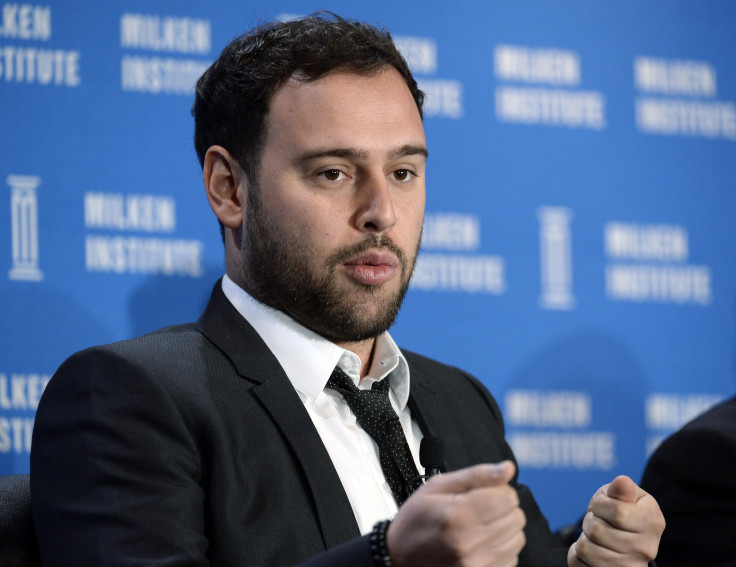
LOS ANGELES — Music executive Scooter Braun has described his widely publicized feud with Taylor Swift as based on a misconception, stating in a new interview that he has met the pop star only three times and never had a substantial relationship with her.
Braun made the remarks during an appearance on the podcast Second Thought With Suzy Weiss, reflecting on the 2019 dispute that began when he acquired Big Machine Records, the label that owned the master recordings to Swift's first six studio albums. The acquisition sparked Swift's public campaign for artists to own their work, turning Braun into a focal point of criticism from Swift's fans.
In the interview, Braun expressed surprise at the intensity of the backlash. He said he went from being "loved and appreciated for over a decade to literally a villain the next night." He emphasized that the narrative of a deep personal feud was inaccurate, noting, "I think I've met her in my life three times," and adding that they "never had a substantial conversation."
Braun recalled one notable interaction at a private party hosted by Swift, where the two discussed their "mutual utmost respect." He explained his motivation for purchasing Big Machine, saying, "You don't spend $300 million buying a label that she's on unless you're excited at the opportunity to work with her." He admitted he still does not fully understand how the situation escalated to the level it did.
Despite the controversy, Braun said he wishes Swift "nothing but the best" and has chosen to grow from the experience. "I learned a tremendous amount from it," he added. He expressed frustration with the public perception that he had managed Swift for years or maintained a long-term personal relationship with her, clarifying that their interactions were minimal.
The 2019 feud began when Braun's Ithaca Holdings acquired Big Machine Records. Swift accused him of exercising "tyrannical control" over her masters and later re-recorded the albums to regain ownership. The dispute became one of the most high-profile artist-label conflicts in modern music history, sparking widespread discussions about artists' rights and industry power dynamics.
Swift has not publicly responded to Braun's recent comments. Representatives for both parties did not immediately return requests for comment.
Industry Reaction and Context
The music industry has closely followed the Braun-Swift saga, with many viewing it as emblematic of broader tensions between artists and label executives. Swift's decision to re-record her early catalog was seen as a landmark move that empowered other musicians to seek greater control over their work. Several artists have since cited her example when renegotiating contracts or pursuing ownership of their masters.
Braun, a prominent manager and investor whose clients have included Justin Bieber, Ariana Grande and Demi Lovato, has maintained a significant presence in the industry despite the controversy. His Ithaca Holdings has continued to expand, with investments in music, technology and media.
The executive's comments come amid ongoing conversations about artist autonomy and the evolving economics of the streaming era. Many industry observers note that while public feuds can damage reputations, they also highlight systemic issues in how record labels and artists negotiate ownership and creative control.
Braun's Perspective on Public Image
In the interview, Braun reflected on the personal toll of being cast as a villain in the eyes of Swift's global fan base. He described the sudden shift in public perception as jarring after years of positive industry standing. However, he said he has chosen to focus on personal growth rather than dwelling on the conflict.
Braun's decision to address the topic publicly after several years of relative silence suggests a desire to clarify his side of the story. His emphasis on limited personal interaction with Swift aims to separate business decisions from any narrative of personal animosity.
Music business experts note that such public disputes often involve complex contractual and financial considerations that are rarely fully understood by outsiders. The Braun-Swift case became particularly charged due to Swift's massive platform and her fans' passionate advocacy for artists' rights.
Current Status and Future Outlook
Neither Braun nor Swift has indicated any plans for direct collaboration or further public engagement on the matter. Swift continues to dominate the music industry with her ongoing Eras Tour and re-recorded albums, while Braun focuses on his management roster and investment portfolio.
The feud's legacy persists in discussions about music ownership and artist empowerment. Swift's re-recording project has been commercially successful, demonstrating the viability of artists taking control of their catalogs. Industry analysts say the case has influenced contract negotiations across the sector, with more artists seeking ownership provisions in new deals.
For Braun, the experience appears to have reinforced the importance of clear communication and reputation management in the public-facing music business. His comments suggest a desire to move forward while acknowledging the lasting impact of the controversy.
As the music industry continues evolving with streaming, social media influence and changing power dynamics, stories like the Braun-Swift feud serve as case studies in the intersection of art, business and public perception. While personal relationships may remain distant, the broader conversation about artists' rights has gained lasting momentum.
The public remains fascinated by celebrity conflicts and resolutions, with Braun's recent interview reigniting interest in one of the most notable music industry disputes of the past decade. Whether this marks a final public statement or the beginning of further dialogue remains to be seen.
© Copyright 2026 IBTimes AU. All rights reserved.
- Recommended For You