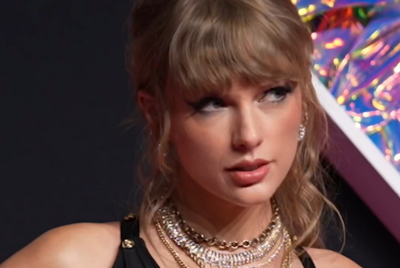
Taylor Swift Lawsuit: Swift Lawyers Blast 'Absurd' Showgirl Trademark Lawsuit as 'Publicity Stunt' in Court
LOS ANGELES — Taylor Swift's legal team launched a sharp counteroffensive Wednesday in a trademark infringement lawsuit filed by Las Vegas performer Maren Wade, dismissing claims that the pop superstar's 2025 album "The Life of a Showgirl" violates Wade's decade-old "Confessions of a Showgirl" branding as "absurd" and an attempt to capitalize on Swift's massive fanbase.
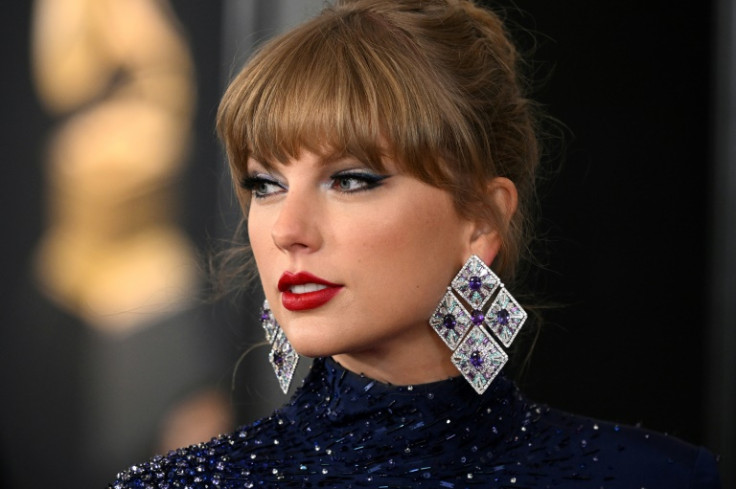
In court documents filed in U.S. District Court in California, attorneys from Venable LLP argued that Wade's claims lack merit and that any alleged similarity between the titles would not confuse consumers, given the vastly different scales and contexts of their respective work. The filing strongly opposes Wade's request for a preliminary injunction that could halt sales of Swift's album-related merchandise, potentially costing tens of millions in revenue.
Wade, who performs as Maren Flagg, sued Swift and her associated companies in late March, alleging the album title and related branding infringed on her federally registered "Confessions of a Showgirl" trademark, which she has used since around 2014-2015 for her cabaret-style shows, columns and related entertainment ventures in Las Vegas.
The U.S. Patent and Trademark Office had previously rejected Swift's application to register "The Life of a Showgirl" for musical performances, citing potential confusion with Wade's mark. Swift's team voluntarily suspended that application while pursuing others.
Swift's Team Fires Back
Swift's lawyers contended that Wade's long-running but relatively niche brand could not reasonably be confused with a global superstar's album and tour. They accused Wade of using the lawsuit as a "publicity stunt" to gain attention from Swift's dedicated fandom, known as Swifties.
"The notion that reasonable consumers would confuse Taylor Swift's album with plaintiff's limited local performances is simply not plausible," the filing stated. Attorneys highlighted differences in the full titles, the nature of the services offered, and the enormous disparity in market reach.
Wade's attorney, Jaymie Parkkinen, had previously stated that her client spent more than a decade building her brand and that trademark law protects creators at all levels. "We have great respect for Swift's talent and success, but trademark law exists to ensure that creators at all levels can protect what they've built," Parkkinen said in March.
Background of the Dispute
Wade's "Confessions of a Showgirl" began as a column in Las Vegas Weekly and evolved into live performances, a book and related merchandise. She obtained trademark registration in 2015. Swift's album "The Life of a Showgirl," released in late 2025, became a massive commercial success, spawning hit singles, a world tour and extensive merchandising.
The lawsuit seeks to block Swift from using the "Showgirl" branding and requests unspecified damages. Wade argues that Swift's team should have been aware of her existing mark and that the album's success has overshadowed and "drowned out" her own brand.
Swift's response filing also noted that Wade herself had used phrasing similar to "The Life of a Showgirl" in advertising before filing suit, further undermining claims of exclusive rights.
Legal Experts Weigh In
Trademark attorneys following the case describe it as a classic David-vs-Goliath battle that tests the boundaries of dilution versus actual consumer confusion. While Wade holds a registered mark, courts often consider factors such as the strength of the mark, evidence of actual confusion, and the sophistication of consumers in the relevant market.
Legal observers note that celebrity trademark disputes frequently settle out of court to avoid prolonged negative publicity. However, Swift's team appears prepared to fight vigorously, consistent with her history of aggressively defending her intellectual property rights while also challenging perceived overreaches.
Broader Implications
The case has drawn significant attention in entertainment law circles and among Swift's fans, many of whom view the lawsuit as opportunistic. Social media has been divided, with some supporting Wade's right to protect her brand and others dismissing it as a cash grab.
The dispute highlights ongoing tensions in the entertainment industry over title and branding similarities, especially when a smaller creator clashes with a global phenomenon. Similar cases involving artists like Katy Perry and others have resulted in mixed outcomes depending on specific evidence of confusion.
Swift has not publicly commented on the lawsuit, maintaining her focus on ongoing tour dates and creative projects. Her team continues to sell "The Life of a Showgirl" merchandise at concerts and online, generating substantial revenue.
Next Steps in the Case
A hearing on Wade's preliminary injunction request is expected in coming weeks. If granted, it could force Swift to pause certain sales activities during litigation. Swift's lawyers are pushing for the case to be dismissed or narrowed significantly.
Both sides have expressed respect for the other's creative work while standing firm on legal principles. The outcome could set a precedent for how courts handle trademark claims between vastly different scales of entertainment enterprises.
As the legal battle unfolds, it adds another layer to Swift's already headline-filled 2026. The singer continues to dominate charts and cultural conversations, while this trademark skirmish serves as a reminder of the complex legal landscape surrounding artistic titles and branding in the modern entertainment industry.
Whether the case proceeds to trial or reaches an amicable resolution remains to be seen, but Swift's aggressive defense signals she and her team will not easily cede ground on a project that has proven to be one of her most successful. For Wade, the suit represents a stand for smaller creators against industry giants. For now, the courtroom will determine whose "showgirl" narrative prevails.
© Copyright 2026 IBTimes AU. All rights reserved.
- Recommended For You