

Two Frankfurt Airport Workers Die After Rare Mosquito-Borne 'Airport Malaria' Outbreak Sickens Six Staff
Frankfurt Airport Faces Rare Malaria Outbreak Linked to Mosquitoes on International Flights
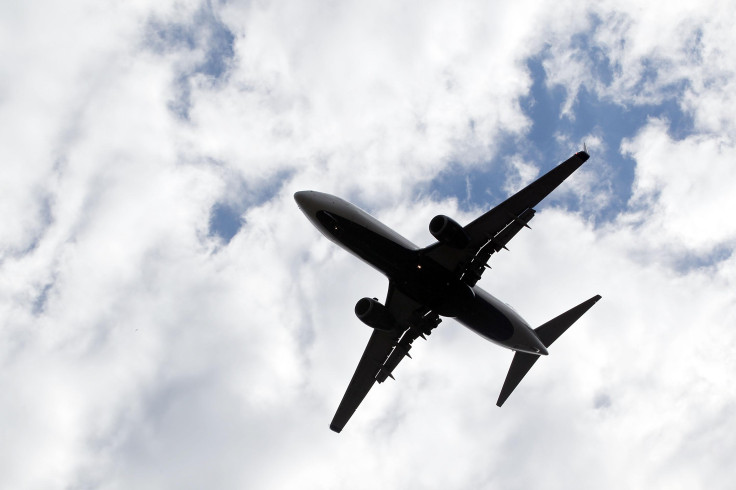
FRANKFURT, Germany — Two employees at Germany's Frankfurt Airport have died after contracting a rare form of malaria believed to have been transmitted by a mosquito that arrived in the country aboard an aircraft, according to Fraport, the company that operates the airport.
A total of six airport employees were infected with the disease, which is known as airport malaria, Fraport confirmed to CNN. Four of the six have since recovered, according to a report by German news magazine Der Spiegel, while the remaining two died from their infections.
A company in mourning
Fraport expressed grief over the loss of its employees in a statement to CNN. "We are shocked and deeply saddened by the loss of our colleagues," the company said, adding that its thoughts remain with the families and friends of those affected.
How the outbreak began
Germany's national public health institute, the Robert Koch Institute, first flagged the cluster of cases in mid-July, noting that multiple airport employees had fallen ill between July 4 and July 6. According to the institute's assessment, the outbreak is believed to have originated from an Anopheles mosquito, the genus of mosquito responsible for transmitting malaria, that was inadvertently carried into Germany aboard an aircraft arriving from a region where the disease is endemic.
Airport malaria is considered an especially rare mode of transmission for the disease. It occurs when an infected mosquito survives an international flight and goes on to bite someone at or near the airport where the plane lands, effectively transplanting a tropical disease into a region where it would not normally circulate. Health authorities in Frankfurt are continuing to investigate the incident.
Why diagnosis can be delayed
According to the Robert Koch Institute, malaria cases among German nationals are almost always linked to long-distance travelers who become infected while visiting a region where the disease is prevalent. Because airport-based transmission is so uncommon, the institute noted, infections acquired this way can be harder to diagnose quickly, since doctors treating patients who haven't traveled to malaria-endemic regions themselves may not immediately suspect the disease.
The institute emphasized that early diagnosis and prompt treatment are critical to preventing malaria from progressing to severe illness or death, underscoring the danger posed by cases that go unrecognized in their early stages simply because of where and how a patient was exposed.
Fraport's response
In the wake of the outbreak, Fraport said it has advised its employees to inform their doctors that they work at Frankfurt Airport and that cases of airport malaria have been documented among staff, a step intended to help ensure that any future potential cases receive prompt and appropriate medical evaluation.
The airport operator has also installed mosquito traps across its grounds as part of the response. Insects captured in the traps will be sent to the Institute of Tropical Medicine in Antwerp, Belgium, for genetic analysis aimed at determining the species and geographic origin of the mosquitoes present at the airport, according to Fraport.
Not the first such case
This is not the first time Frankfurt Airport has recorded a case of airport malaria. According to the Robert Koch Institute, the most recent prior instance occurred in 2023, also at Frankfurt. The recurrence of such cases at the same location underscores the ongoing risk posed by the airport's role as a major international hub, where aircraft frequently arrive from regions where malaria remains endemic.
A major hub for global air travel
Frankfurt Airport is Germany's busiest airport by passenger volume and serves as the primary hub for Lufthansa, the country's flagship airline. Its status as a high-traffic international gateway, with flights arriving daily from across Africa, Asia and other malaria-endemic regions, places it at a heightened, if still statistically rare, risk for this type of incidental disease transmission compared with smaller regional airports.
Understanding malaria transmission
Malaria is caused by parasites transmitted to people through the bites of infected Anopheles mosquitoes. The disease is not spread from person to person through casual contact, meaning the risk in cases like this one is generally confined to individuals who are physically present in the specific location where an infected mosquito is active, rather than posing any broader public health threat to the wider community. Symptoms typically include fever, chills, headache and fatigue, and in severe cases the disease can lead to organ failure and death if left untreated, which is why global health authorities stress the importance of rapid diagnosis, particularly in regions where the disease is not typically encountered.
What happens next
With the investigation into the outbreak still underway, both Fraport and German public health authorities are working to determine the precise origin of the mosquito responsible for the infections, information that could help inform future prevention measures at the airport. The genetic analysis being conducted in Antwerp is expected to help identify which flight route or region the mosquito may have originated from, potentially guiding more targeted screening or control measures at high-risk arrival gates in the future.
For now, Fraport has framed its response around supporting affected employees and their families while working to prevent additional cases, even as the broader investigation into exactly how the insect entered the country, and why it led to such a severe cluster of illness, continues.
The incident adds Frankfurt to a short list of European airports that have documented locally transmitted malaria cases in recent years, a phenomenon public health officials say remains exceedingly rare but serves as a reminder of the unusual ways in which global air travel can occasionally carry unexpected health risks across borders, even over distances of thousands of miles in a matter of hours.
© Copyright 2026 IBTimes AU. All rights reserved.