

Moderna Stock Surges on mRNA Pipeline Momentum: Is It a Long-Term Buy Amid Vaccine Challenges?
Moderna's stock rises as it expands its mRNA pipeline, but analysts remain cautious about long-term prospects.
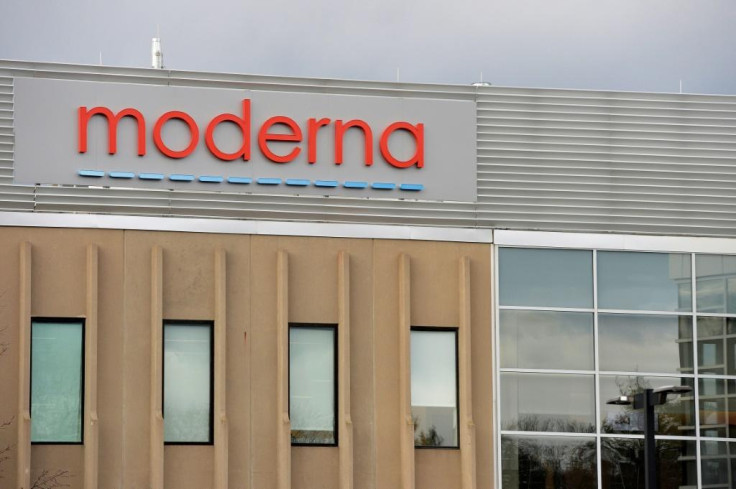
CAMBRIDGE, Mass. — Moderna Inc. shares jumped more than 10% in early trading Thursday, climbing above $79 as investors cheered recent positive updates on the biotechnology company's expanding mRNA pipeline, even as the firm navigates a post-COVID revenue slump and regulatory hurdles in its core vaccine business.
The stock's gains reflect renewed optimism around Moderna's ability to translate its pioneering mRNA technology beyond the pandemic into new respiratory vaccines and oncology programs. Yet analysts remain divided on whether the company represents a compelling long-term investment, with consensus ratings hovering around "Hold" and average price targets well below current levels.
Moderna, which skyrocketed to prominence with its COVID-19 vaccine, reported first-quarter 2026 revenue of $389 million, a sharp increase from the prior year but still far from pandemic peaks. The results beat expectations, driven largely by international sales, which accounted for about 80% of revenue. However, the company posted a GAAP net loss of $1.3 billion, heavily impacted by a $900 million non-recurring litigation settlement charge.
"We are focused on disciplined execution as we advance our pipeline and bring innovative mRNA medicines to patients around the world," Moderna executives emphasized in recent updates, highlighting progress in seasonal vaccines and rare disease programs.
The company's respiratory vaccine franchise remains central to its near-term prospects. Moderna has secured approvals for its RSV vaccine mRESVIA and is advancing combination shots, including a flu-COVID candidate mCOMBRIAX. In June 2026, an FDA advisory committee unanimously supported its standalone mRNA flu vaccine mRNA-1010, boosting investor sentiment.
Pipeline momentum has driven recent stock volatility. Shares hit a 52-week high near $74 earlier in the week following updates on expanded mRNA programs, with further gains on Thursday.
For long-term investors, the question hinges on Moderna's transition from a COVID-centric company to a diversified mRNA powerhouse. The firm maintains guidance for up to 10% revenue growth in 2026, with expectations of stronger performance in the second half driven by seasonal demand. Cash reserves stand at approximately $7.5 billion, providing a buffer for R&D investments.
Analysts at Piper Sandler recently raised their price target to $77 from $69 while maintaining an Overweight rating, citing the leading mRNA platform. However, broader Wall Street consensus points to an average target around $39 to $49, reflecting concerns over execution risks, competition, and a challenging U.S. vaccine market.
CEO Stéphane Bancel has acknowledged headwinds, noting in early 2026 that the company would curb investments in new late-stage vaccine trials due to a smaller U.S. market amid regulatory and policy shifts. "You cannot make a return on investment if you don't have access to the U.S. market," Bancel told Bloomberg TV.
This strategic pivot emphasizes international partnerships and diversification into oncology and rare diseases. Moderna's oncology programs, still largely in earlier stages, represent a potential second growth engine, though they carry higher clinical and commercial risks. The company was also recognized as No. 1 on TIME's 2026 list of the World's Most Impactful Companies for its mRNA leadership.
Financial Resilience and Challenges
Moderna's post-pandemic financials tell a story of adaptation. Full-year 2025 product sales were reported in the $3 billion range, with 2026 projections calling for modest growth amid declining COVID demand. R&D expenses have decreased year-over-year, reflecting cost discipline, while the firm continues to invest in manufacturing expansions globally.
Q2 2026 revenue guidance of $50 million to $100 million underscores the seasonality of the vaccine business, with most sales expected later in the year. The litigation settlement, related to intellectual property matters, will require a significant cash outflow in Q3 but is viewed as a one-time hit.
Billionaire investors have shown selective interest, drawn to the asymmetric risk-reward in oncology and the potential for mRNA to disrupt broader therapeutic areas. However, many traditional analysts caution that near-term execution — including successful flu and combination vaccine launches — will determine whether the stock can sustain its recent rally.
Pipeline Strengths Fuel Optimism
Beyond respiratory vaccines, Moderna's pipeline includes candidates for COVID-flu combinations and pediatric RSV. The company is advancing mRNA-1010 toward potential approval for the 2026-2027 flu season following the FDA advisory panel's endorsement.
In rare diseases, programs targeting propionic acidemia and methylmalonic acidemia are progressing, with registrational studies planned. Oncology efforts, while earlier stage, leverage the platform's speed and flexibility, positioning Moderna for potential breakthroughs in personalized cancer vaccines.
Science Day presentations in June 2026 highlighted the platform's versatility, reinforcing long-term potential despite current valuation debates.
Risks for Long-Term Buyers
Skeptics point to several risks. The U.S. vaccine market faces headwinds from policy shifts and vaccine hesitancy, limiting returns on large Phase 3 investments. Competition from established players like Pfizer in RSV and flu remains intense. High R&D burn and clinical trial uncertainties in oncology could pressure finances if approvals slip.
Earnings estimates project continued losses in 2026, with improvement expected in subsequent years as new products ramp up. The stock's volatility — typical for biotech — demands patience from long-term holders.
Balanced Outlook
Whether MRNA qualifies as a long-term buy depends on investor risk tolerance and belief in mRNA's transformative potential. Bullish views emphasize the platform's proven scalability and pipeline breadth, suggesting substantial upside if key approvals land and oncology delivers. Bears highlight valuation disconnects, with many targets implying downside from current levels around $80.
Moderna's strong balance sheet, global reach, and TIME recognition provide a foundation for resilience. As the company prepares for Q2 earnings at the end of July, investors will scrutinize progress on commercial launches and pipeline milestones.
In a sector where innovation often rewards the patient, Moderna's story remains one of high-stakes potential. The mRNA revolution it helped spark continues to evolve, but translating scientific promise into sustained profitability will test the company's execution in a more competitive and scrutinized environment.
© Copyright 2026 IBTimes AU. All rights reserved.