Kanye West Drops 'Bully,' His First Solo Album Since 'Donda': Chaotic Rollout Yields Mixed Reviews
Kanye West, now known as Ye, released his 12th studio album "Bully" on March 27-28, 2026, through YZY and Gamma, capping a tumultuous rollout marked by listening parties, last-minute tracklist changes, AI controversies and a recent public apology for past antisemitic remarks.
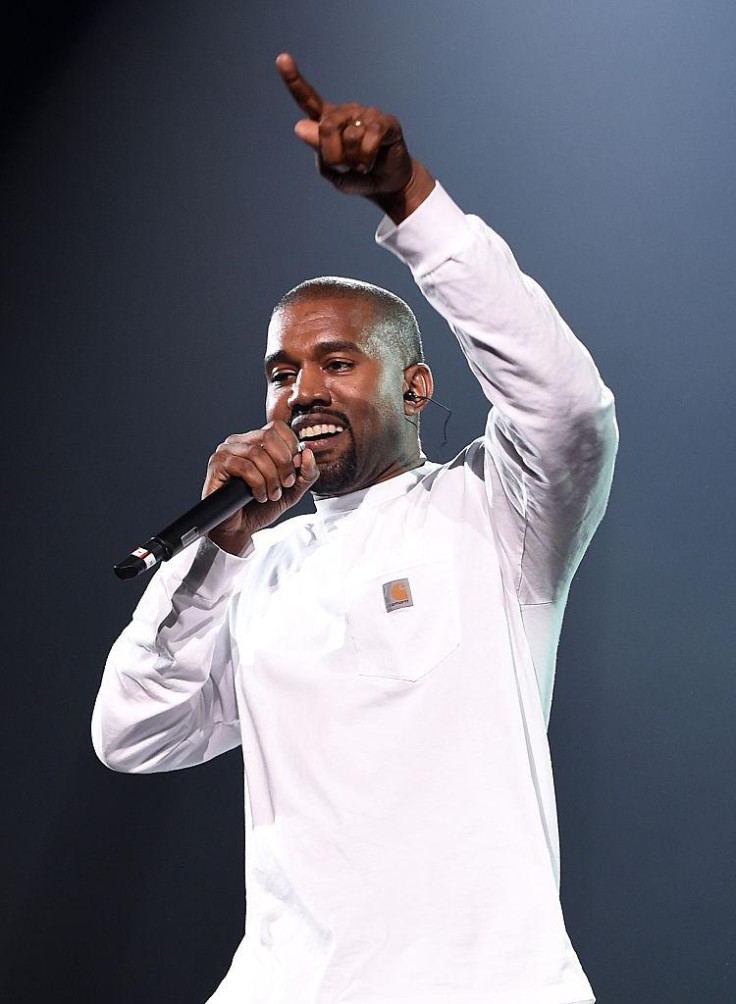
The project, his first full solo effort since 2022's "Donda," arrived after multiple delays from an initial 2025 target. West premiered much of the material via a YouTube livestream listening event on March 27 before the full album hit streaming platforms the following morning. It features an 18- to 20-track lineup with guest appearances from Travis Scott, CeeLo Green, André Troutman, Don Toliver and others, alongside heavy sampling of classic soul, gospel and international artists including the Supremes, Stevie Wonder, Asha Bhosle and Fairouz.
Early critical reception is sharply divided. Some outlets hail "Bully" as West's strongest work in years for its warm, sample-driven production that echoes the soulful textures of his 2000s output and "808s & Heartbreak." Others dismiss it as hollow, over-processed and disconnected from the personal reckoning suggested by West's recent Wall Street Journal advertisement, in which he addressed mental health struggles, a 2002 car crash and past behavior.
A Redemption-Focused Rollout
West placed a full-page ad in the Wall Street Journal earlier in March, framing it as a sincere apology and acknowledgment of past harm. The ad detailed specific incidents, credited individuals with helping him and referenced a bipolar diagnosis. Many expected "Bully" to engage directly with themes of accountability, mania and recovery.
Instead, the album leans heavily into sung, Auto-Tune-heavy vocals over lush, chopped samples rather than confrontational rap verses. Production draws from patient soul rearrangements, creating a "rich, warm and optimistic" atmosphere according to some reviewers, though others note a lack of emotional depth or lyrical substance. Tracks like "Beauty and the Beast," "I Can't Wait," "Father" (featuring Travis Scott) and the title track have drawn praise for their sonic ambition, while the title track reportedly underwent significant rewrites between physical and streaming versions.
Controversy surrounded the use of AI. West had previously teased AI-generated elements but posted "BULLY ON THE WAY NO AI" on social media days before release. Physical vinyl copies shipped with what some called "deepfake" or heavily processed vocals on "Preacher Man," prompting complaints from buyers. The streaming edition, which appeared later, includes additional tracks and revisions, leading to accusations of inconsistent product delivery.
The album cover features a black-and-white image of West's son Saint wearing titanium grills, a choice many viewed as more personal than earlier rumored concepts involving provocative imagery.
Musical Style and Production
"Bully" largely abandons the industrial, chaotic energy of the "Vultures" series with Ty Dolla $ign in favor of a more introspective, melodic approach. Samples form the backbone: soulful loops, gospel-infused chords and global influences create expansive soundscapes. West handles much of the production, often layering his voice with thick Auto-Tune to create atmospheric textures rather than traditional rap delivery.
Collaborations add variety. Travis Scott appears on "Father," while CeeLo Green lends his distinctive voice to the title track. Features from Don Toliver and others provide hooks and contrast. Reviewers note strong crate-digging moments but criticize repetitive structures and a sense that the beats sometimes outshine the performances.
At roughly 18-20 tracks depending on the version, the album clocks in as a substantial listen. Standouts frequently cited include "All the Love," "Mama's Favorite" and "Circles," where the production shines with patient builds and optimistic tones. Detractors argue the project feels "empty" or like a "screensaver," lacking the raw vulnerability or cultural provocation that defined peaks like "My Beautiful Dark Twisted Fantasy" or "Yeezus."
Critical and Fan Response
Scores and reactions vary widely. One Irish outlet awarded it 8/10, calling it West's "first good album in 10 years" and praising its musical quality despite the artist's troubled recent history. Another described it as "not a disaster" but ultimately forgettable, with strong beats undermined by vague lyrics focused on love, serotonin and faith rather than deeper introspection.
Fan forums and social media reflect the divide. Some ARMY-adjacent listeners (a term sometimes cross-applied in hip-hop circles) celebrate the return to soulful roots, while others express disappointment that the album sidesteps accountability. Physical buyers reported frustration over AI elements persisting in early pressings.
The rollout itself became part of the story. Listening parties in Los Angeles and other cities generated buzz, but the album's staggered arrival — YouTube premiere, delayed streaming, version differences — frustrated some fans accustomed to West's unpredictable habits. A short film "Bully V1" starring his son Saint had circulated earlier, adding visual context to the project's themes of protection and playfulness.
Context Within West's Career
"Bully" arrives amid ongoing scrutiny of West's public persona. His embrace of controversial figures, antisemitic statements and political alignments in recent years alienated much of the music industry and fanbase, leading to lost partnerships and diminished mainstream airplay. The Wall Street Journal ad represented a potential turning point, with West attributing some behavior to mental health and past trauma.
Musically, the project attempts to reconnect with the innovative production that made him a generational talent. Comparisons to "808s & Heartbreak" arise from the heavy Auto-Tune and sung delivery, while sample choices nod to his early soul-rap foundation. Yet many observers note a disconnect: the confession in print feels weighty, while the music remains light and detached.
Streaming numbers and commercial performance will take time to assess fully, but initial interest remains high due to West's enduring cultural footprint. The album's independent release via Gamma bypasses traditional major-label structures, consistent with West's recent entrepreneurial moves under the YZY banner.
Looking Ahead
As "Bully" settles into circulation, questions linger about its long-term legacy. Will it mark a genuine artistic rebound or another footnote in West's erratic later career? Further updates to the tracklist or additional physical variants cannot be ruled out, given his history of post-release tinkering.
For now, "Bully" stands as a sonically ambitious but lyrically elusive work from one of music's most polarizing figures. It offers glimpses of the producer who once revolutionized hip-hop, even as the man behind the music continues navigating personal and public redemption.
Fans and critics alike will debate whether the beats compensate for the perceived emotional absence — and whether West's latest chapter signals quiet growth or continued detachment.
© Copyright 2026 IBTimes AU. All rights reserved.
- Recommended For You