Google Health Update Finally Lets Fitbit Data Sync With Apple Health After Years of One-Way Limitations
New Google Health update enables seamless Fitbit data integration with Apple Health, resolving a long-standing user frustration.

Google has released an update to its Google Health app that finally allows Fitbit data to sync directly with Apple's Health app on iPhone, closing a gap that has frustrated users for more than a decade.
The update, version 5.05, rolled out Monday and introduces two-way syncing between Google Health and Apple Health for the first time. Previously, the integration only worked in one direction, allowing Google Health to import data recorded by an iPhone, Apple Watch or other HealthKit-connected apps, but offering no way to send Fitbit-tracked information back into Apple's ecosystem.
What the update changes
With version 5.05 installed, iPhone users can now share exercise records, sleep data, vital signs, step counts and other metrics collected through Google Health, including data gathered by Fitbit wearables, directly with Apple Health. According to the app's official release notes, the update lets users "share your data like your exercise records, sleep, vitals, steps, and more" from Google Health into Apple's health platform.
Once synced, that Fitbit-sourced data can also become visible inside other apps that connect to Apple's HealthKit framework, depending on which permissions a user chooses to grant. Users can select exactly which categories of data they want to share, while Apple Health's own permission system continues to govern how other compatible apps are able to access that information going forward.
Not every metric is currently supported through the new sync. According to a widely shared Reddit post cited by multiple outlets covering the update, more advanced calculated metrics such as heart rate variability are not yet included in the data Google Health can write to Apple Health, even though the update covers a broad range of core fitness and sleep information.
How to turn it on
Setting up the new sync requires a few steps within the app. Users can open Google Health, tap their profile icon, select "Partner apps," and choose Apple Health from the list. From there, the app walks users through connecting to Apple Health for the first time, or, for those who had already linked the two platforms under the old one-way system, tapping "Review permissions" to grant the additional access needed for the new two-way flow.
Ending a decade-old gap
The update resolves a limitation that traces back to 2014, when Apple first introduced HealthKit alongside iOS 8. At the time, Fitbit said it had no plans to support the new platform, a decision that left iPhone users who wore Fitbit devices unable to natively bring their fitness data into Apple's Health app. In the years since, users who wanted their Fitbit information reflected in Apple Health generally had to rely on third-party syncing tools, several of which continuously pull data from Fitbit's systems and manually write it into HealthKit.
Fitbit's relationship with Apple's ecosystem goes back further than the HealthKit gap itself. The company's first iOS app debuted in October 2011 alongside the original Fitbit Ultra tracker, but Fitbit largely charted an independent course from Apple's health tools throughout the following decade, even as its wearables remained popular among iPhone users.
Part of a broader rebrand
Monday's update comes months after Google formally retired the standalone Fitbit app in May, migrating existing users over to the newly created Google Health app as part of a broader rebranding effort that folded Fitbit's hardware and software more directly under Google's health division. The two-way Apple Health sync represents one of the more significant functional additions to the app since that transition, addressing what had been a persistent point of user frustration in the months following the switch.
Smart Health Links and other additions
Beyond the Apple Health integration, version 5.05 also introduces a feature called Smart Health Links, which allows users in the United States to share summaries of their clinical records with a doctor or family member. The feature works by generating a shareable URL or a scannable QR code directly within the app's Health tab, and it's available to users on both iOS and Android, unlike the Apple Health sync feature, which is exclusive to iPhone.
The update also includes a handful of smaller refinements, including improvements to VO2 Max calculations, exercise map rendering, and the ability to edit workouts after they've already been completed, changes Google described as addressing prior stability issues in those features. Google also included general stability improvements and bug fixes as part of the release.
Availability
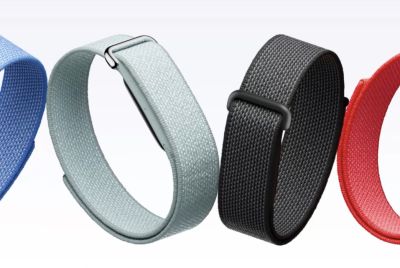
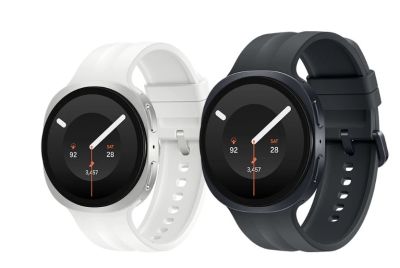
Google Health version 5.05 is available now for iPhone through the App Store, with the update also rolling out to Android devices. The app remains free to download, with a file size of roughly 542.6 megabytes on iOS. The new Apple Health sync feature is compatible with data collected by Fitbit devices, including the newer Fitbit Air, as well as other wearables that feed into Google Health, such as certain Pixel Watch models.
For households that mix Fitbit wearables with iPhones, a common arrangement given Fitbit devices' lower starting prices compared with the Apple Watch, the update removes a long-standing inconvenience that had required either manual data entry or a subscription to a third-party syncing service just to keep fitness information consolidated in one place. With the change, users can now view Fitbit-recorded steps, sleep and vital signs alongside data from other HealthKit-connected apps and devices without leaving Apple's native Health app, a shift that brings Google's fitness ecosystem into closer alignment with Apple's own approach to centralizing personal health data on iPhone.
© Copyright 2026 IBTimes AU. All rights reserved.
- Recommended For You