Vizio Down? Users Report Widespread TV and SmartCast Outage as Complaints Spike on Downdetector This Saturday
Nationwide Vizio SmartCast Disruption Affects Streaming and App Functionality
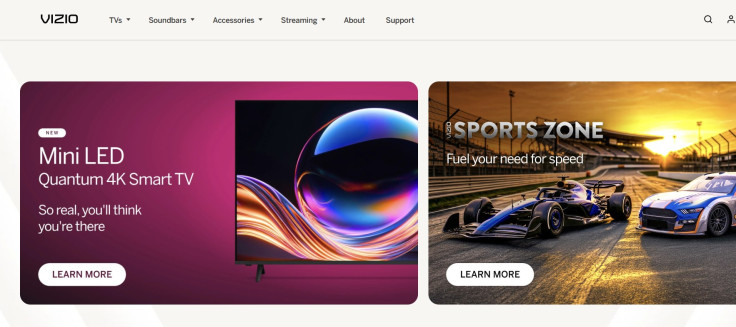
Vizio users across the country reported difficulty using their smart televisions Saturday morning, after outage-tracking service Downdetector recorded a sharp spike in complaints beginning around 10 a.m. Eastern time.
Downdetector's official social media account flagged the surge in reports shortly after the issues began, posting under the hashtag "#VizioDown" and asking affected users to share how the disruption was impacting them. As of the most recent available information, Vizio had not issued a public statement confirming a company-wide outage or detailing its specific cause, though the company has a history of responding to similar disruptions affecting its SmartCast platform, which powers the interface and app functionality on Vizio's connected televisions.
Users experiencing problems with Vizio devices have historically reported a range of specific symptoms during past SmartCast disruptions, including televisions displaying a persistent loading or spinning icon without ever fully booting into the smart interface, streaming apps failing to load or unexpectedly cutting off mid-broadcast, and difficulty logging into or accessing account-linked features. During a previous SmartCast outage, Vizio confirmed the disruption directly through its official social media account, telling affected customers at the time, "Currently, there is an outage impacting SmartCast TV. We're working on this right now. You'll still be able to use the quick buttons on the TV's remote control and you can cast to the TV. We hope to have this resolved soon but we don't have a timeframe."
That kind of company acknowledgment has typically included practical guidance for customers looking for workarounds during an active SmartCast disruption. In past incidents, Vizio has noted that even when the smart interface itself becomes unavailable, physical quick-access buttons on the television's remote control generally continue to function independently of the SmartCast software layer, allowing users to jump directly to preset streaming apps. Casting content to the television from a separate device, such as a smartphone or tablet, has also historically remained available as an alternative during outages affecting the smart TV's built-in interface.
Downdetector, the platform used to track and aggregate Saturday morning's complaints, monitors self-reported user issues across thousands of websites and connected services rather than directly accessing the internal systems of the companies it tracks. Owned by Ookla and launched in 2012, the service currently tracks more than 12,000 services internationally and maintains separate country-specific outage-tracking pages across 45 countries. Because Downdetector relies on aggregated, self-reported complaints rather than direct server-side monitoring, spikes in reported issues can sometimes reflect a genuine, widespread service disruption, while other spikes may instead result from more localized problems affecting specific devices, firmware versions, regions or internet service providers rather than a broader, company-wide outage.
Separate independent monitoring services checking Vizio's website and related services around the same general timeframe reported mixed results, with some tools indicating the company's main website was functioning normally while still noting that individual failures remained possible, consistent with the pattern of a disruption concentrated specifically in Vizio's SmartCast television platform rather than its broader web presence.
Vizio, one of the largest sellers of smart televisions in the United States, has built its business model substantially around SmartCast, the proprietary operating system that powers the streaming and app functionality on its television lineup. The company also generates significant revenue through its Platform+ advertising and data business, which relies on SmartCast's connectivity to deliver targeted advertising and content recommendations to users, meaning outages affecting the platform can disrupt both the viewing experience for customers and the underlying data and advertising infrastructure the company depends on for a meaningful share of its revenue.
For users experiencing difficulty with their Vizio televisions during the reported disruption, common troubleshooting steps recommended for smart TV connectivity issues include restarting the television by unplugging it from its power source for approximately 30 seconds before plugging it back in, verifying that the television's Wi-Fi or ethernet connection is functioning properly by testing other connected devices on the same network, and checking for any available software updates once the device successfully reconnects. If the underlying disruption proves to be a service-side issue affecting Vizio's SmartCast servers rather than a problem specific to an individual user's television or home network, however, these troubleshooting steps are unlikely to resolve the problem until the company restores normal service on its end.
As of the most recent available information, Vizio had not provided a public timeline for resolving Saturday's reported issues, and the company had not responded publicly to the elevated volume of complaints registered through Downdetector throughout the morning. Users continuing to experience problems with their Vizio televisions or the SmartCast platform are encouraged to monitor the company's official social media channels for updates, given the absence of confirmed information directly from Vizio as of Saturday morning.
© Copyright 2026 IBTimes AU. All rights reserved.
- Recommended For You