

United Airlines Down? Service Hit by Nationwide Outage Reports Saturday Morning as Complaints Spike
United Airlines experiences significant system disruptions, affecting flights and passenger services.
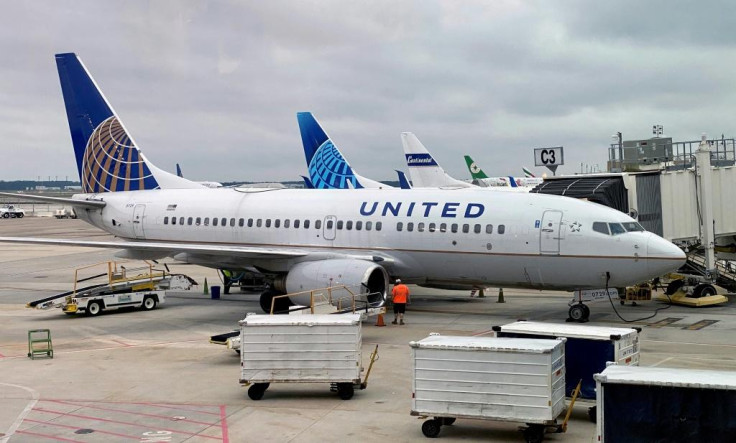
United Airlines customers began reporting widespread problems with the airline's systems Saturday morning, according to outage-tracking service Downdetector, which noted a spike in user complaints beginning at 8:16 a.m. Eastern time.
Downdetector, a service that aggregates real-time user reports to identify potential service disruptions, flagged the surge in complaints on its social media account, prompting the hashtag #UnitedAirlinesDown to circulate on X as affected travelers shared their experiences. As of Saturday morning, specific details about the cause, scope and expected duration of the disruption had not been confirmed by United Airlines or federal aviation authorities.
United has faced a series of technology-related disruptions in recent years, ranging from brief, planned system maintenance windows to unplanned outages that have grounded flights and stranded passengers across the country. The airline's core reservation platform, known as the SHARES system, has been at the center of several previous incidents. In one instance earlier this year, United proactively scheduled and publicized an overnight outage of its SHARES booking system as part of what the company described as a controlled restart intended to improve the platform's long-term functionality and reliability. That planned outage, which ran for roughly two to three hours during low-demand overnight hours, took offline United's website, mobile app, call centers, airport kiosks, travel agency booking channels and partner airline access, pausing new bookings, ticketing, cancellations, refunds and check-in services during the window, though already-airborne flights were allowed to continue operating.
Unplanned outages have proven more disruptive for United in the past, given their unpredictable timing and broader operational impact. In one prior incident, an hours-long computer system problem caused delays and cancellations for United flights globally, with passengers traveling late at night and into the early morning hours reporting delays as long as six hours before the airline confirmed the issue had been resolved. Flight-tracking services at the time recorded roughly 20 United flights delayed and seven canceled worldwide during the disruption. In a separate, earlier incident, a two-hour outage in one of United's flight operations systems delayed roughly 250 mainline United flights, with the airline later saying it had corrected the underlying error and restored systemwide on-time performance to around 80% by that afternoon. United offered flexible flight-change and refund options to affected customers following that disruption.
Technology outages affecting major U.S. airlines have drawn increased scrutiny from federal regulators in recent years, particularly following high-profile disruptions across the industry. In one widely covered incident affecting a rival carrier, a "technology issue" prompted a ground stop at major hub airports, delaying travelers at multiple locations before the airline confirmed the issue had been resolved later that evening. Following that episode, the U.S. Transportation Secretary said he had been briefed directly by the airline's chief executive on the situation, noting publicly that the issue was specific to the airline's own internal operations and unrelated to the broader national air traffic control system. The Transportation Department and the Federal Aviation Administration both offered support to help the airline clear its resulting flight backlog, with the FAA saying it remained in close contact with the carrier's operations team throughout the disruption.
United has previously described its approach to handling technology disruptions as centered on transparency with both passengers and employees. Steve Restivo, the airline's vice president of global corporate communications, has said the carrier learned early on, particularly during the coronavirus pandemic, that the best course of action during operational disruptions was to remain as direct and open with employees and customers as possible, regardless of whether the underlying news was positive or negative.
Airlines more broadly have faced significant technology-driven disruptions in recent years beyond United specifically. A separate major carrier experienced a multi-day operational meltdown in the summer of 2024 following a global software outage tied to a third-party cybersecurity vendor, a disruption that led to the cancellation of more than 7,000 flights over five days and affected more than 1.3 million passengers. That incident drew a formal investigation from the Department of Transportation, which later classified the resulting delays and cancellations as a "controllable" event, placing responsibility for the disruption on the airline itself rather than treating it purely as an unavoidable external event.
As of Saturday morning, outage-tracking services offered a mixed picture of United's system status heading into the reported disruption, with some monitoring platforms showing no significant issues in the days immediately prior to Saturday's spike in complaints. That pattern is consistent with how sudden, unplanned technology outages typically develop, often emerging with little or no advance warning before affected systems are restored, sometimes within hours.
Passengers experiencing issues with United flights, bookings or check-in are typically advised to monitor the airline's official channels, including its website and mobile app status updates, along with its social media accounts, for the most current information during an active disruption. United has historically offered flexible rebooking or refund options to customers affected by significant system outages, though the specific terms of any such accommodations depend on the scope and cause of each individual incident.
Given the early stage of Saturday morning's reported disruption, the full scope of affected flights, airports and services remained unclear. United Airlines had not issued a public statement addressing the Downdetector reports as of the time of this article's publication, and it remained uncertain whether the issue was confined to digital booking and account-management systems or extended to broader operational impacts such as flight delays, cancellations or ground stops at specific airports. Travelers with upcoming United flights were encouraged to check directly with the airline for the latest updates as the situation continued to develop.
© Copyright 2026 IBTimes AU. All rights reserved.