Why Was DoorDash Down Today? DoorDash Suffers Major Outage Disrupting App Access for Customers and Drivers
Technical issues cause widespread disruption for DoorDash users and drivers across the United States.
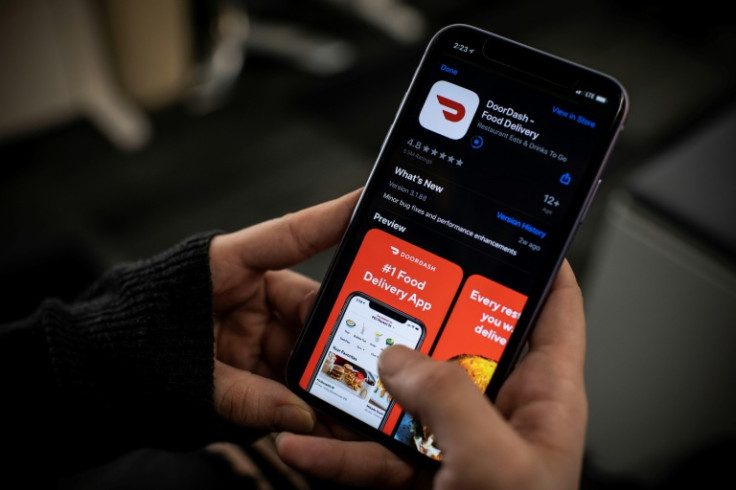
DoorDash experienced a significant service outage on Tuesday, leaving thousands of customers unable to place orders and delivery drivers unable to access the platform, as the popular food delivery service faced technical difficulties that disrupted operations across multiple regions.
The problems began gaining widespread attention around 9:43 a.m. ET, with users reporting app crashes, login failures and error messages preventing normal functionality. Downdetector and other service tracking sites showed a sharp spike in complaints, with more than 10,000 reports submitted within hours of the outage starting. The timing during peak lunch hours amplified the impact for both customers expecting deliveries and drivers relying on the app for work.
DoorDash has not yet released an official explanation for the disruption, but users attempting to access the service through browsers encountered DNS-related error messages, suggesting potential issues with domain resolution or backend authentication systems. The outage appeared to affect both the customer app and driver tools, creating a dual impact on the platform's ecosystem.
Widespread Impact on Users and Operations
Customers across the United States reported being unable to browse restaurants, add items to carts or complete orders. Many who had already placed orders earlier in the day found that drivers were unable to accept or fulfill them, leading to cancellations and delays. The service's integration with third-party restaurant systems also appeared affected, complicating operations for partnered businesses.
Delivery drivers took to social media to share frustrations over lost income opportunities, with some reporting being logged out or unable to see available orders. The outage highlighted the platform's central role in the gig economy, where independent contractors depend on consistent access for daily earnings.
Restaurants partnered with DoorDash also faced challenges, with some reporting reduced order volumes and difficulties managing incoming requests through the platform's merchant tools. The combined effect created a ripple of inconvenience for users, workers and businesses alike during what is typically one of the busiest periods of the day.
Technical Details and Possible Causes
Initial reports pointed to problems with authentication and load balancing, as many users encountered errors when attempting to log in or refresh the app. DNS issues were frequently mentioned, indicating that the problem may involve how requests are routed to DoorDash's servers rather than a complete infrastructure failure.
DoorDash maintains a complex technical architecture to handle high volumes of orders, real-time tracking and payment processing. Such systems are generally robust but can experience issues during scaling events, software updates or unexpected traffic spikes. The company has invested heavily in redundancy and monitoring, but complex interdependencies between services can still lead to widespread problems when one component fails.
This is not the first time DoorDash has faced notable outages, though the current incident's scale has drawn significant attention due to the number of dependent users. Past disruptions have typically been resolved within a few hours through backend fixes and traffic rerouting.
Company Response and Customer Guidance
DoorDash has not issued a detailed public statement on the outage's cause or expected resolution time as of Tuesday afternoon. The company's status page showed degraded performance for several services, directing users to standard troubleshooting steps such as restarting the app, clearing cache or trying alternative networks.
Customers experiencing issues are encouraged to check Downdetector or the company's official channels for updates. For those with existing orders, contacting restaurants directly or monitoring app notifications for cancellation or delay information is recommended. DoorDash typically offers credits or refunds to affected users once service is restored.
Drivers are advised to log out and back in periodically or explore alternative gig opportunities during the downtime. The company is expected to provide compensation for lost earnings once normal operations resume.
Broader Implications for On-Demand Services
The outage underscores the growing dependence on digital delivery platforms for daily needs. As services like DoorDash become integral to meal routines and small business operations, even brief disruptions can have meaningful economic and practical consequences.
The incident highlights the importance of robust technical infrastructure and contingency planning in the gig economy. Companies in this space invest heavily in redundancy, but the complexity of real-time systems makes absolute prevention challenging. Competitors such as Uber Eats and Grubhub may see temporary increased demand, though most users tend to return to their preferred platform once service is restored.
Industry analysts note that reliability has become a key competitive factor as consumers grow more reliant on these services. Outages of this nature often prompt reviews of backend systems and can influence customer loyalty if they occur frequently.
Recommendations for Users
While awaiting resolution, basic troubleshooting steps such as force-closing the app, restarting devices or switching between Wi-Fi and mobile data may help in some cases. Using a VPN or trying access through a browser can sometimes bypass app-specific issues.
Businesses partnered with DoorDash should monitor their merchant dashboards for updates and communicate directly with customers if orders are delayed. For critical needs, exploring alternative delivery options or preparing meals at home can serve as temporary solutions.
Users who experience significant inconvenience are encouraged to document the impact for potential compensation requests once the outage is resolved. DoorDash has a history of issuing credits or refunds for major disruptions.
Company Background and Reliability Efforts
DoorDash has grown rapidly since its founding, becoming one of the largest players in the food delivery space. The company has invested in technology to improve reliability, including advanced monitoring systems and redundant infrastructure. Despite occasional outages, it has generally maintained strong uptime, though the current incident highlights the challenges of scaling complex real-time platforms.
DoorDash's engineering teams are focused on continuous improvement, with regular stress testing and failover procedures designed to minimize the impact of technical issues. The company typically conducts post-incident reviews to identify root causes and implement preventive measures.
What to Expect Next
DoorDash is expected to provide more details on the cause and resolution timeline once services are fully restored. The company will likely offer apologies and promotional credits to affected accounts in line with its policies for major disruptions.
For customers and drivers, the focus remains on minimizing inconvenience while the technical teams work to restore full functionality. The outage is receiving full attention, with restoration efforts prioritized across impacted services.
The incident serves as a reminder of how dependent many have become on on-demand delivery platforms and the importance of having backup options during technical difficulties. As DoorDash works toward resolution, users are encouraged to stay informed through official channels and remain patient during this temporary disruption.
DoorDash outages, while infrequent, tend to generate significant attention due to the platform's popularity and the number of people affected. The current situation is being actively addressed, and normal service is expected to resume shortly. Further updates will be provided as more information becomes available from the company.
© Copyright 2026 IBTimes AU. All rights reserved.
- Recommended For You