

Elon Musk Says He Will Rename a Company After Agreeing to Swap AI for Trump's Super Intelligence Label
Musk's proposed second rebrand follows a presidential executive order promoting "Super Intelligence" over artificial intelligence, though no company filing has confirmed the change.
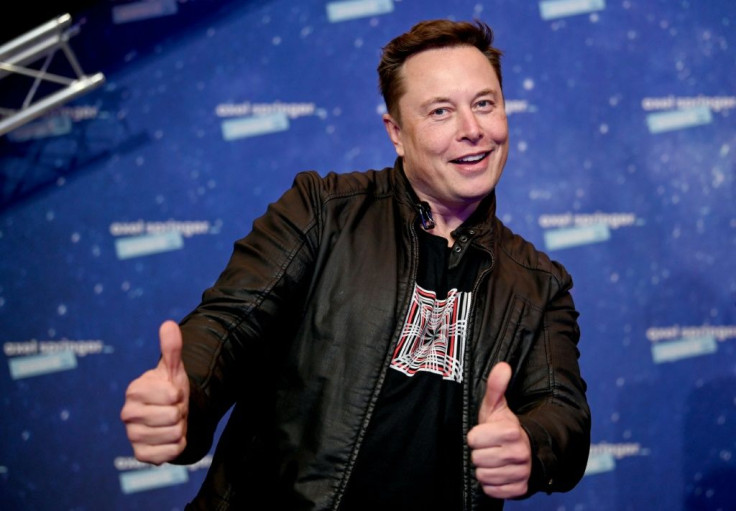
Elon Musk said he will rename one of his companies after endorsing President Donald Trump's preferred phrase, "Super Intelligence," in place of "artificial intelligence."
Early Sunday, Musk posted on X: "No more AI. SI. It's better." He added, "It always was," and posted the cover of Nick Bostrom's book Superintelligence: Paths, Dangers, Strategies. When a user asked about "renaming to SpaceXSI," Musk replied, "Yes, we will make that change."
The exchange follows an executive order Trump signed late last month that renames artificial intelligence "Super Intelligence," and comments from the White House that AI executives had agreed to use the term. Trump has said he dislikes "artificial." "It's a terrible word. It's amazing it lived on so long actually," he has said. The order claims the technology can do "much more than imitate or automate discrete aspects of human intelligence." Off the cuff, Trump has framed the change as branding, not a research milestone.
Musk's company history makes the reply harder to read as done. The unit once called xAI was already renamed SpaceXAI this year, after he folded the lab into SpaceX. A further change to SpaceXSI would be a second rebrand. He has a record of announcing changes that do not arrive on the schedule he gives. As of Sunday, no filing or company statement had confirmed the new name.
The words are not interchangeable. "Artificial intelligence" dates to a 1956 research meeting and came to cover software that generates text and images from models. "Superintelligence," in Bostrom's 2014 book, is a later, hypothetical point at which a machine system would outstrip human capability, with benefits and risks he treats as scenarios rather than forecasts. The Oxford English Dictionary also records an older theological sense, a divine or providential intelligence. Trump's order uses two words, "Super Intelligence." Bostrom, Musk's book post and Mark Zuckerberg's essays use one.
Zuckerberg has used the compound word as an aspiration, not a label for current products. In an essay last year, "Personal Superintelligence," he wrote: "The rest of this decade seems likely to be the decisive period for determining the path this technology will take, and whether superintelligence will be a tool for personal empowerment or a force focused on replacing large swaths of society."
Wired's Steven Levy, writing about executives from Anthropic, Meta, OpenAI, Nvidia and Google at Trump's AI summit, described the term as a loyalty test. "My bet is that they will do the minimum to avoid presidential ire while trying to run out the clock until the next administration puts this bizarre idea out of its misery," Levy wrote. On Sunday the White House named Director of National Intelligence Jay Clayton to lead a Super Intelligence task force, and Trump posted about the shift in terms that coverage read as a boast aimed at Musk.
Musk is not a reluctant user of the word. He has posted Bostrom's cover and has talked for years about machine intelligence exceeding human control. Agreeing to a rename after a presidential order is a separate step from sharing the vocabulary. If the change is branding, the open question Levy raised still applies: whether current models are being called superintelligent, or whether the two-word phrase is a slogan. Musk's post does not say. It says the letters SI are better, and that a company name will follow.
© Copyright 2026 IBTimes AU. All rights reserved.