Elon Musk's X Corp and xAI Drop Grok Monopoly Lawsuit Against Apple, Keep Pursuing Claims Against OpenAI
The companies did not disclose why they sought dismissal or whether Apple agreed to any settlement, while related claims against OpenAI remain active.
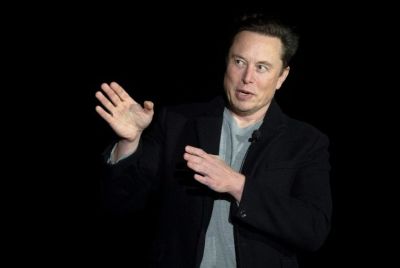
WASHINGTON — Elon Musk's X Corp and SpaceXAI said Monday they have resolved their federal antitrust lawsuit against Apple, ending a year-long legal battle in Texas that had accused the iPhone maker of conspiring to illegally monopolize the markets for smartphones and generative AI chatbots.
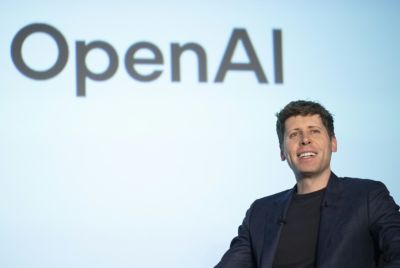
In a court filing in the U.S. District Court for the Northern District of Texas, attorneys for X and SpaceXAI moved to dismiss the lawsuit the companies brought against Apple last year. The filing did not explain the reasons behind the dismissal or indicate whether a settlement had been reached between the parties. X and SpaceXAI said they intend to continue pursuing related claims against OpenAI, the maker of ChatGPT, which remains a defendant in the broader case. Representatives for Musk's companies, Apple and OpenAI did not immediately respond to requests for comment following the filing.
The lawsuit, originally filed on August 25, 2025, accused Apple of violating federal and state antitrust laws, including Sections 1 and 2 of the Sherman Antitrust Act and the Texas Free Enterprise and Antitrust Act, by exclusively integrating ChatGPT into Apple Intelligence features across iPhones and other Apple devices. The complaint argued that Apple's June 2024 decision to make ChatGPT the sole AI chatbot woven into iOS gave OpenAI's product a structural advantage that rivals, including Musk's Grok chatbot, could not overcome on merit alone.
X Corp and xAI described the arrangement in their original complaint as amounting to "two monopolists joining forces to ensure their continued dominance," seeking billions of dollars in damages along with court orders to unwind what the companies characterized as an anticompetitive conspiracy. The complaint alleged that ChatGPT controlled "at least 80 percent" of the generative AI chatbot market at the time of filing, while Grok held only "a few percent" of that market despite what the plaintiffs described as superior underlying capabilities. The filing also claimed the exclusive Apple-OpenAI arrangement gave ChatGPT "exclusive access to billions of user prompts originating from hundreds of millions of iPhones," a data advantage the plaintiffs argued would be difficult for competitors to overcome absent legal intervention.
Beyond the exclusivity arrangement itself, the lawsuit also accused Apple of manipulating App Store search rankings to favor ChatGPT while suppressing visibility for competing AI products, including Grok. Musk had separately raised concerns publicly in the weeks before the lawsuit was filed, questioning why his own apps failed to appear in Apple's "Must Have" App Store section despite what he described as strong underlying rankings, even as Grok ranked second in Apple's Productivity category and X ranked first in the News category at the time.
Apple and OpenAI both moved to dismiss the case following its filing, but a federal judge denied those motions on November 13, 2025, allowing the litigation to proceed toward further discovery and potential trial. Monday's dismissal filing by X and SpaceXAI marks the end of that litigation path as it pertains to Apple specifically, even as the companies signaled their intention to keep pressing similar claims against OpenAI.
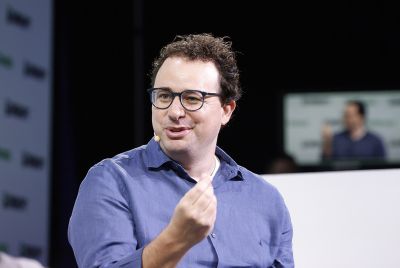
Industry observers have pointed to the underlying data dynamics at the heart of the case as a significant factor in the competitive landscape for AI chatbots. Midhun Krishna M, an MLOps engineer at Juno AI, told the outlet Decrypt that Apple's exclusive arrangement with OpenAI created a lasting structural disadvantage for rivals. "Apple's exclusive ChatGPT deal has left rivals like Grok unable to match the data scale, and they continue to fall behind," Krishna said, adding that the integration gives OpenAI control of what he called "the largest real-time feedback loop," which he said helps ensure "accuracy and dominance" for ChatGPT relative to competing chatbot products.
The resolution of the Apple portion of the case comes amid a broader pattern of legal disputes involving Musk's various companies and their AI ambitions. xAI, the artificial intelligence venture Musk founded and later merged with X Corp, has been involved in a series of legal skirmishes across the AI industry as it competes with better-established rivals including OpenAI and Google for both users and the underlying data and distribution advantages that shape competition in the sector. Separately, xAI has itself faced legal action from other companies in the technology space, including a lawsuit brought by the creators of an Ethereum-based gaming network.
Neither Reuters nor other outlets reporting on Monday's filing were able to determine whether any financial terms were exchanged as part of the resolution, whether either party admitted liability, or whether the case against Apple was dismissed with or without prejudice, a legal distinction that would determine whether X and SpaceXAI could revive the claims against Apple at a later date. The absence of detailed terms in the public filing leaves open the question of what, if anything, Apple may have agreed to in order to resolve the dispute, including any changes to its App Store ranking practices or its exclusivity arrangement with OpenAI.
With the case against OpenAI continuing to move forward, attention now turns to how that portion of the litigation develops, and whether similar questions about exclusivity arrangements and data access in the fast-growing AI chatbot market will resurface in other legal or regulatory venues as competition among AI developers continues to intensify across the industry.
© Copyright 2026 IBTimes AU. All rights reserved.
- Recommended For You