Doximity Shares More Than Double as AI Search Tool Earns 10 Times What It Costs to Run, Investors Cheer
Doximity's shares surge as AI search product reveals impressive profitability, sparking investor interest.
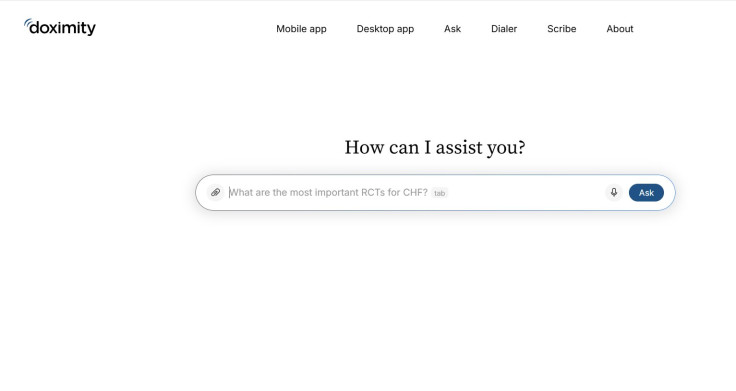
Shares of Doximity soared Friday, more than doubling at one point and trading up 61.17% to $33.25 by mid-morning, after the digital platform for U.S. medical professionals delivered a stronger-than-expected quarterly report and revealed striking early profitability figures for its new artificial intelligence search product.
The Coeur d'Alene, Idaho-based company's stock had entered the week down roughly 50% for the year, with a market value of $3.7 billion heading into the earnings release. Friday's surge, one of the sharpest single-session rallies for any major U.S. stock in recent months, was fueled by a combination of a revenue beat, an upgraded full-year outlook and bullish commentary from the company's chief executive about the economics of its AI-powered search tool.
A Beat on Revenue, a Narrow Miss on Profit
Doximity reported first-quarter fiscal 2027 revenue of $156.6 million, up 7.3% from the same period a year earlier and comfortably ahead of the $151.7 million analysts had expected. Adjusted earnings came in at 29 cents per share, narrowly missing the 30-cent consensus estimate by a single cent, a shortfall that investors largely brushed aside given the strength elsewhere in the report. Adjusted EBITDA reached $74.8 million for the quarter, representing a 48% margin and beating the high end of the company's own guidance by roughly 8 percentage points.
The Comment That Sparked the Rally
The single biggest driver of Friday's surge appears to have been remarks from Doximity Chief Executive Jeffrey Tangney regarding the profitability of the company's newer AI search product. Speaking during the company's earnings call, Tangney said that while it remains early days for the AI search offering, the product is generating more than 10 times what it costs to run in revenue per search, a margin figure that stunned analysts and investors tracking the stock.
Tangney also framed the AI push as central to Doximity's next phase of growth, saying the company has established itself as the digital platform for physicians and that artificial intelligence represents the next evolutionary phase of that expansion.
Rapid Growth in AI Tool Adoption
Beyond the headline profitability claim, Doximity highlighted substantial growth in engagement with its suite of AI-powered products during the quarter. The company's Scribe note-taking feature, which helps physicians automatically document patient visits, saw a tenfold increase in active users in July compared with the same month a year earlier. Utilization of the company's Search AI functionality also expanded meaningfully during the quarter, according to the company, reinforcing the broader theme of accelerating adoption across Doximity's AI product suite.
Guidance Sends Mixed Signals
Despite the overwhelmingly positive market reaction, Doximity's forward guidance told a somewhat more nuanced story. The company projected second-quarter revenue in a range of $170 million to $171 million, with a midpoint of $170.5 million that aligned closely with Wall Street's expectations but fell slightly below some of the more optimistic analyst forecasts heading into the report. For the full fiscal year, Doximity raised its revenue guidance midpoint by $6 million, even as it lowered its adjusted EBITDA guidance midpoint by $10 million, a combination that reflects the company's willingness to sacrifice some near-term margin in favor of continued investment in its AI capabilities.
A Rally Amplified by Short Sellers
Part of the scale of Friday's move has been attributed to a short squeeze, in which investors who had bet against Doximity's stock were forced to buy back shares to cover their positions as the price surged, further amplifying the rally beyond what the underlying earnings beat alone might have generated. Given that shares had fallen by roughly half over the course of the year heading into the report, the stock had attracted a meaningful base of short interest that appears to have been caught off guard by the scale of Friday's positive reaction.
A Strong Balance Sheet Heading Into the Report
Doximity entered the earnings release with a solid financial position, holding $687.8 million in cash and securities with zero debt on its balance sheet. The company also repurchased $91.6 million worth of its own shares during the quarter, part of an ongoing capital return program even as it continues investing heavily in its AI product roadmap. Free cash flow declined 34% during the quarter, however, as stock-based compensation rose 68%, factors that some analysts flagged as areas warranting continued scrutiny even amid the broader positive earnings reaction.
Analysts Weigh In
Ahead of Friday's premarket trading, Doximity's surge pushed shares 42% above the average analyst price target of $24.65, approaching Morgan Stanley's more bullish $35 target but remaining below the single highest analyst target of $42. Analysts have generally cautioned that the coming quarters will serve as a more meaningful test of the AI search product's staying power, with the third fiscal quarter in particular expected to be significant, since that is when a growing number of AI Search contracts, including an initial cohort of more than two dozen healthcare programs already signed, are expected to convert from signed agreements into formally recognized revenue.
A Longer-Term Growth Picture
Looking beyond the immediate quarter, Doximity has posted a compound annual revenue growth rate of 21.9% over the past five years, though that pace has moderated more recently, with the two-year annualized growth rate standing at 15.2%. Sell-side analysts currently project revenue growth of approximately 3.6% over the coming 12 months, a considerably slower pace that underscores the importance investors are placing on the company's newer AI initiatives as a potential source of reacceleration.
With Friday's dramatic rally driven in large part by early, unverified claims about the AI search product's per-search economics, investors are likely to watch closely for further detail and independent validation of those figures in the coming quarters. The conversion of Doximity's initial AI Search contracts into recognized revenue during the third fiscal quarter is expected to serve as the next major test of whether Friday's optimism reflects a genuine inflection point in the company's growth trajectory or a shorter-term reaction to a single quarter's standout commentary.
© Copyright 2026 IBTimes AU. All rights reserved.
- Recommended For You