Alphabet Stock Edges Higher as AI Momentum and Cloud Surge Offset Massive 2026 CapEx Concerns
Alphabet Inc. Class C shares inched up modestly Friday, trading around $316.80 after gaining 0.43 cents or 0.14%, as investors weighed the tech giant's accelerating artificial intelligence initiatives against plans for record capital spending that could pressure near-term margins.
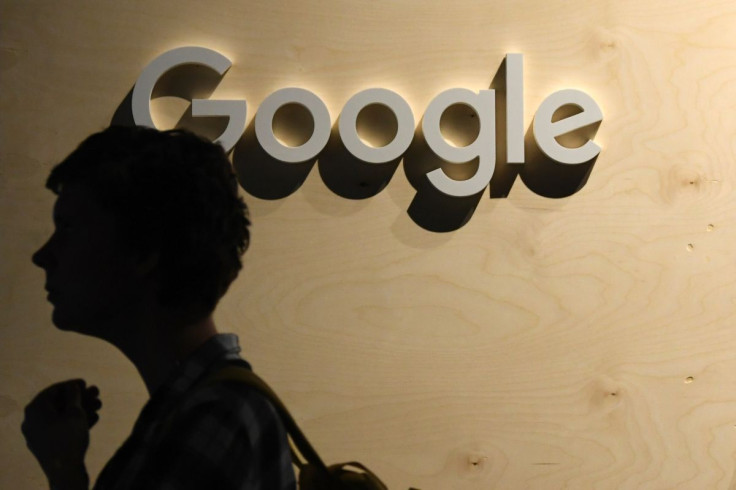
The Mountain View, California-based company, parent of Google, continues to demonstrate leadership in generative AI through its Gemini models while delivering strong growth in advertising and cloud services. Friday's quiet session followed a period of consolidation after the stock hit an all-time high near $343 earlier in 2026, with shares still up substantially over the past year amid the broader AI boom.
Alphabet posted robust full-year 2025 results in early February, with consolidated revenues climbing 18% to $402.8 billion, marking the first time annual revenue surpassed $400 billion. Google Services revenue rose 14% to $95.9 billion in the fourth quarter alone, fueled by 17% growth in Search and subscriptions, while YouTube ads and subscriptions together exceeded $60 billion for the full year. Google Cloud revenue jumped 48% to $17.7 billion in Q4, driven by enterprise demand for AI infrastructure and solutions.
CEO Sundar Pichai highlighted momentum across the business, noting that the Gemini app has grown to over 750 million monthly active users and that first-party models now process more than 10 billion tokens per minute. "AI is driving an expansionary moment in Search," Pichai said, emphasizing how the technology is enhancing user engagement without cannibalizing core revenue streams.
The company guided for 2026 capital expenditures between $175 billion and $185 billion, roughly double 2025 levels and well above analyst expectations around $115 billion to $120 billion. The surge reflects heavy investments in data centers, servers, networking and custom silicon to support AI training, inference and cloud growth. Executives described the spending as essential to meet exploding customer demand and maintain competitive edge in the AI race.
Analysts remain largely bullish despite the hefty outlay. Consensus price targets sit near $386, with some forecasts reaching $443, implying meaningful upside. Ratings emphasize Alphabet's scientific heritage, DeepMind expertise and culture of user-focused innovation. Smaller segments, including subscriptions like Google One and YouTube Premium, are thriving and expected to contribute more meaningfully to profitability going forward.
Recent AI product momentum has reinforced investor confidence. In March 2026, Google rolled out significant Gemini updates focused on "personal intelligence," allowing the model to better understand user context across Gmail, Photos and other services for more proactive assistance. New features include conversational help in Google Maps, enhanced creative tools in Workspace apps like Docs, Sheets and Slides, and improvements to Gemini Live for natural voice interactions.
Gemini 3 models, including specialized variants like Flash-Lite for efficiency and Flash Live for real-time audio, have expanded capabilities in reasoning, multimodal processing and developer tools. Integrations across Android, Chrome and retail platforms further embed AI into daily user experiences. Google also deepened collaborations, including long-term supply agreements with Broadcom and partnerships involving Anthropic that underscore its infrastructure strength.
Google Cloud's annual run rate surpassed $70 billion by the end of 2025, with AI products driving a wide breadth of enterprise adoption. The segment's rapid scaling positions Alphabet as a key beneficiary of hyperscaler and corporate AI spending.
Other bets and emerging areas show progress as well. Waymo continues expanding robotaxi services, recently launching in additional cities, while smaller revenue streams gain traction. The company completed the acquisition of cybersecurity firm Wiz in March, bolstering its cloud security offerings.
Upcoming Q1 2026 earnings, scheduled for release after market close on April 29 with a conference call following, will provide fresh insight into ad market trends, cloud acceleration and early impacts of elevated spending. Analysts anticipate revenue in the $106 billion to $110 billion range, with focus shifting toward commentary on AI monetization, margin trends and CapEx execution.
Challenges include potential margin compression from front-loaded infrastructure costs, which some forecasts suggest could lead to negative free cash flow in 2026 despite robust top-line growth. Regulatory scrutiny persists, including ongoing antitrust matters, though the company continues to defend its practices vigorously. Competition in AI from OpenAI, Anthropic, Microsoft and others remains intense, but Alphabet's vast data, distribution and compute advantages provide a formidable moat.
The stock has shown resilience, trading well above 2025 lows even after pulling back from February peaks. Friday's modest gain came amid mixed broader market sentiment, with elevated volume in recent sessions reflecting ongoing debate over AI investment returns versus short-term financial strain.
Alphabet maintains a fortress balance sheet with substantial cash reserves, supporting both aggressive growth and shareholder returns through buybacks and dividends. Its diversified revenue — dominated by resilient advertising but increasingly supplemented by high-margin cloud and subscriptions — offers stability in uncertain economic conditions.
Founded as a search engine in 1998, Alphabet has evolved into one of the world's most valuable companies by continually reinventing itself. Under Pichai's leadership, the focus on moonshot projects through entities like X (formerly Google X) alongside core businesses has sustained innovation.
As the AI era accelerates, Alphabet stands at the center of technological transformation. Gemini's integration across products, combined with massive infrastructure builds, aims to turn AI from experimental to ubiquitous, driving efficiency gains for users and businesses alike.
Market watchers note that while near-term CapEx headlines may create volatility, successful execution could cement Alphabet's position as a foundational AI player. With Search remaining dominant, Cloud scaling rapidly and AI features enhancing user stickiness, the company appears poised for sustained long-term value creation.
Friday's trading reflected cautious optimism ahead of earnings. Technical levels show support in recent consolidation zones, with potential catalysts from positive AI adoption metrics or cloud wins in coming weeks.
For investors, Alphabet embodies both the opportunities and costs of leading the AI revolution. As data centers multiply and models grow more capable, the company's ability to translate enormous investments into profitable growth will define its trajectory through 2026 and beyond.
© Copyright 2026 IBTimes AU. All rights reserved.
- Recommended For You