Apple's iPhone 18 Goes on Sale Worldwide as New CEO John Ternus Greets Fans at Its 5th Avenue Flagship Store
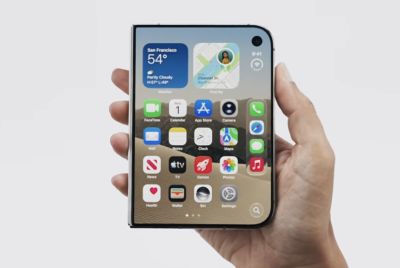
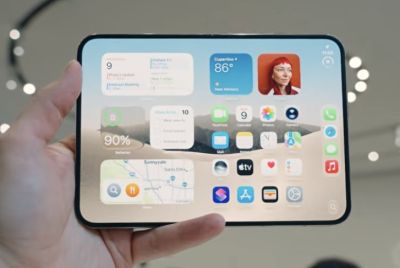
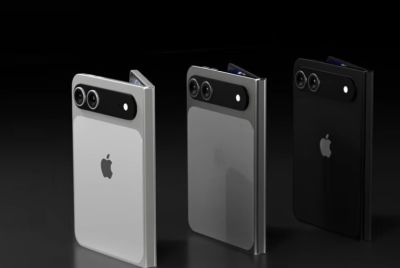
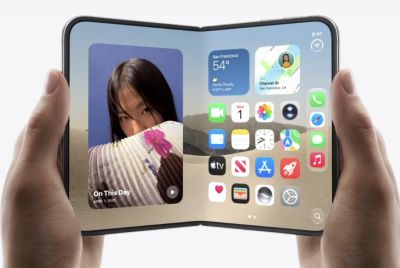
The first major iPhone launch under CEO John Ternus also introduces Apple's foldable iPhone Duo and a new system for tracking edited images.

NEW YORK — Apple's newest iPhone lineup officially went on sale Friday, drawing crowds of customers at stores around the world for the first major product launch under new Chief Executive Officer John Ternus.
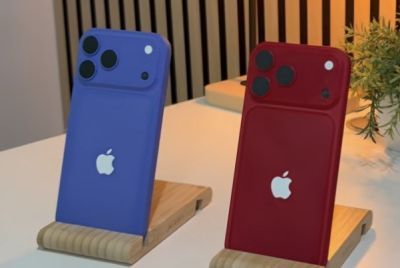
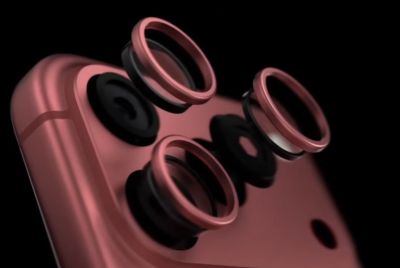
The iPhone 18 Pro and Pro Max, unveiled the previous week at Apple's annual product event alongside the company's first foldable device, the iPhone Duo, feature a redesigned camera system built around a DSLR-like variable aperture, a change Apple says improves performance in low-light environments and allows for enhanced depth-of-field control in photos. The iPhone 18 Pro starts at $1,199, while the larger iPhone 18 Pro Max starts at $1,299, with both models also available through Apple's lease-based Upgrade program for customers who prefer to spread the cost over monthly payments.
Beyond the camera upgrades, Apple introduced a new authentication feature aimed at addressing growing concerns about AI-manipulated images. The company said the new iPhone 18 lineup can detect AI-generated photos by automatically creating an unalterable Reference Image that remains attached to any edited version of a photo, giving users and viewers a way to verify whether an image has been artificially altered from its original form.
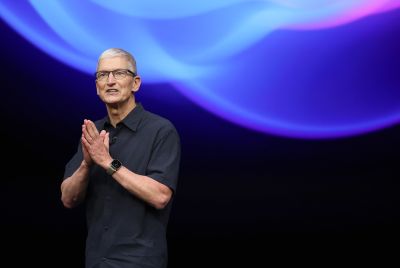
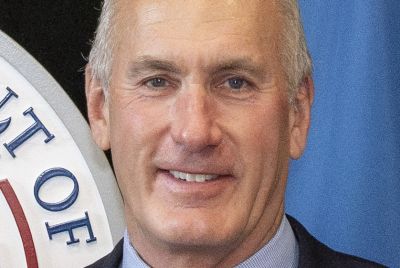
Ternus, who succeeded Tim Cook as Apple's chief executive officer earlier this month, marked the launch by visiting the company's flagship retail store on Fifth Avenue in New York City on Friday. He spent time posing for photos and signing autographs for customers both inside and outside the Midtown Manhattan location, a visit that came just over a week after Ternus presided over his first product launch event as CEO.
The iPhone 18 lineup also marks the public debut of Apple's long-awaited overhaul of Siri, the company's voice assistant, now branded Siri AI and powered by Apple Intelligence. Apple first announced the redesigned assistant in June but delayed its release until this launch to ensure the technology met the company's standards before shipping to customers, according to Apple. Notably, Siri AI runs on underlying artificial intelligence models developed by Google, specifically Google's Gemini model family, reflecting a partnership between the two companies to power the new assistant's more advanced conversational capabilities.
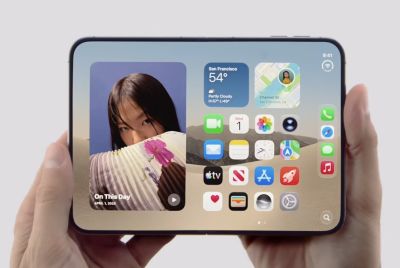
With Siri AI now live on the new devices, users gain the ability to pull relevant information directly from their messages, photos, emails and other apps in response to natural-language requests. The updated assistant also allows users to draft messages and emails, edit photos through conversational commands, and revisit past conversations they've had with Siri, functionality aimed at making the assistant feel more like a persistent, context-aware helper rather than a tool limited to simple, isolated commands.
Crowds gathered at Apple retail locations around the world as the new devices went on sale Friday, with lines forming outside stores in markets including London, where customers queued outside the Apple store on Regent Street, and in New Jersey, where shoppers lined up outside the Apple Store at the Menlo Park Mall in Edison. Apple has typically treated iPhone launch day as a significant marketing moment, with in-store crowds and long lines serving as a visible signal of sustained consumer demand for the company's flagship product line, even as the broader smartphone market has matured considerably since the iPhone's original 2007 debut.
This year's launch carries added significance given the leadership transition at Apple's top ranks. Ternus, who previously led Apple's hardware engineering organization for years before being named CEO, used both the initial product unveiling event and Friday's launch day store visit to establish his own public presence at the helm of the company, following Cook's move into the role of executive chairman. The successful rollout of a major iPhone generation, alongside the debut of Apple's first foldable device, represents an early and closely watched test of how Apple's product strategy and execution will be shaped under its new chief executive.
The iPhone 18 Pro lineup's redesigned camera system and expanded AI capabilities arrive as Apple continues working to keep pace with rivals in the broader smartphone market, many of which have moved aggressively to integrate generative AI features into their own flagship devices over the past two years. Apple's decision to power Siri AI using Google's Gemini models, rather than relying exclusively on its own in-house AI development, reflects the company's broader strategy of pairing its hardware design strengths with external AI partnerships where doing so allows it to deliver more capable features to consumers more quickly.
With the iPhone 18 Pro and Pro Max now available for purchase globally, alongside the company's new foldable iPhone Duo, attention is likely to turn toward how strongly the new lineup performs commercially over its opening weekend and into the crucial holiday shopping season, a period that has traditionally represented one of Apple's most significant windows for iPhone sales each year. Early crowds at flagship stores in New York, London and elsewhere on Friday offered at least an initial visual signal of consumer enthusiasm heading into that broader sales period, even as the company's full commercial results for the new devices are not expected to be reported until Apple's next quarterly earnings disclosure.
© Copyright 2026 IBTimes AU. All rights reserved.
- Recommended For You