Apple CEO Tim Cook Steps Down After 15 Years; Hardware Chief John Ternus Named Successor
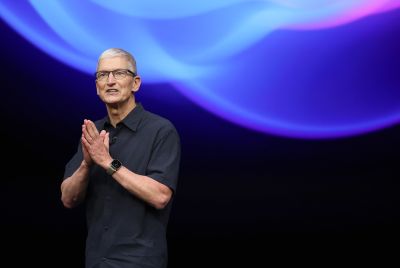
CUPERTINO, Calif. — Apple Inc. announced Monday that CEO Tim Cook will step down from the top job after nearly 15 years, marking one of the most significant leadership transitions in the company's history.

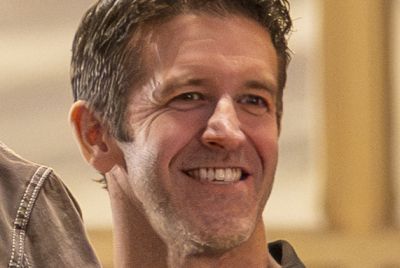
Cook, 65, will become executive chairman of Apple's board of directors. John Ternus, Apple's senior vice president of hardware engineering and a 25-year company veteran, will take over as chief executive officer effective Sept. 1. Cook will remain in his current role through the summer to ensure a smooth handover, the company said in a statement.
The news, released after markets closed Monday, sent ripples through Wall Street and the tech industry. Apple shares rose modestly in after-hours trading as investors digested the planned succession. Analysts described the move as orderly and well-timed, with many noting that Cook is leaving the iPhone maker in strong financial health.
"Tim Cook has been an extraordinary leader for Apple, guiding the company through a period of unprecedented growth and innovation," said Arthur Levinson, chairman of Apple's board, in the announcement. "Under his leadership, Apple has become the most valuable company in the world while staying true to its values of creativity, privacy and excellence."
Cook took the helm in August 2011, succeeding the late Steve Jobs. During his tenure, Apple's market capitalization soared from roughly $350 billion to more than $4 trillion. Annual revenue nearly quadrupled, surpassing $400 billion in recent fiscal years. The company expanded its services business into a major profit engine, launched successful products like the Apple Watch and AirPods, and navigated challenges including supply chain disruptions, regulatory scrutiny and intense competition in artificial intelligence.
In a statement, Cook expressed gratitude for the opportunity to lead Apple.
"It has been the privilege of a lifetime to serve as Apple's CEO," Cook said. "I'm incredibly proud of what we've accomplished together and excited for the company's bright future under John's leadership. I look forward to continuing to contribute as executive chairman and supporting the team through this transition."
Ternus, 50, joined Apple in 2001 and rose through the ranks in hardware engineering. He has played a key role in developing flagship products, including the iPhone, Mac and iPad. Since 2021, he has overseen hardware engineering, working closely with the teams responsible for Apple's custom silicon, including the powerful M-series and A-series chips that power much of the company's lineup.
Analysts praised Ternus as a safe, product-focused choice who understands Apple's DNA.
"John Ternus is a deeply technical leader with decades of experience at Apple," said Dan Ives of Wedbush Securities. "This transition feels like Cook is handing over the reins at a moment when the pieces are in place for Apple Intelligence and the next wave of innovation."
The announcement comes as Apple approaches several milestones. The company celebrated its 50th anniversary earlier this year, reflecting on its journey from a garage startup to a global technology powerhouse. In recent months, Cook had spoken publicly about the company's legacy, its commitment to privacy, and the transformative potential of artificial intelligence.
During a March interview on "Good Morning America," Cook discussed Apple's future with AI, emphasizing responsible development.
"AI is so profound and can be so positive, but technology doesn't want to be good, and it doesn't want to be bad. It's in the hands of the user and the hands of the inventor," he said. He also stressed balancing technology use with human connection, noting, "I don't want people looking at the smartphone more than they're looking in someone's eyes."
Cook has positioned Apple Intelligence — the company's suite of AI features — as a privacy-first approach that combines on-device processing with private cloud compute. He has repeatedly described AI as one of the most significant opportunities of his lifetime and said Apple is "all in" on the technology while maintaining its core values.
The leadership change arrives ahead of Apple's fiscal second-quarter earnings, scheduled for release April 30. The company guided for revenue growth of 13% to 16% in the quarter, building on a strong first quarter that saw revenue rise 16% to $143.8 billion. Services and wearables have helped offset any softness in hardware, while analysts expect continued momentum from the iPhone and emerging AI features.
Wall Street largely views the succession positively. Gil Luria of D.A. Davidson told Bloomberg that Cook is "leaving Apple in good shape." Gene Munster of Deepwater Asset Management noted the move came "sooner than expected" but highlighted Ternus's deep product expertise as a strength for navigating the AI era.
Some observers pointed out that Cook's steady operational focus helped Apple scale massively but drew occasional criticism for a perceived lack of bold new product categories compared to the Jobs era. Others credit him with masterful supply chain management, international expansion — particularly in China and India — and turning services into a high-margin growth engine.
Ternus's promotion also includes organizational shifts. Johny Srouji, longtime head of silicon, was elevated to chief hardware officer, consolidating hardware engineering and chip design under one leader. The moves signal a continued emphasis on vertical integration, from custom processors to finished devices.
Cook has faced a range of external pressures during his tenure, including antitrust lawsuits, calls for greater app store competition, and debates over content moderation. He has testified before Congress and engaged with policymakers worldwide. In a recent interview, he described the current U.S. administration as "very accessible," stressing the importance of dialogue even when views differ.
Throughout, Cook maintained Apple's focus on privacy as a fundamental human right. He has advocated for environmental initiatives, including carbon neutrality goals, and expanded educational programs, such as music education reaching thousands of students.
As executive chairman, Cook is expected to remain involved in strategic decisions, board oversight and key partnerships. His continued presence should provide continuity during the handover.
The transition raises questions about Apple's next chapter. Will Ternus accelerate AI integration across hardware and software? Can Apple deliver the "never seen before" innovations Cook has teased in recent earnings calls? How will the company balance its massive cash reserves with potential new product bets, such as advancements in augmented reality or health technology?
Investors will watch closely for clues in the upcoming earnings call, where Cook and CFO Kevan Parekh are expected to address the leadership news alongside quarterly results.
Apple's board unanimously approved the changes. The announcement was made via press release rather than a major event, consistent with Apple's preference for understated communication on internal matters.
For Cook, the move represents a graceful exit after transforming the company he inherited. He leaves behind a robust balance sheet, a loyal customer base exceeding 2 billion active devices, and a culture that still prizes design and simplicity.
Ternus now faces the challenge of leading Apple in an increasingly competitive landscape dominated by rapid AI advancements from rivals like Google, Microsoft and emerging players in China. His hardware background positions him well to drive integration between silicon, devices and intelligent software features.
Industry watchers noted the timing aligns with Apple's post-50th anniversary reflection period. The company has hinted at significant product updates later this year, including enhancements to Siri and broader rollout of Apple Intelligence capabilities.
Cook's compensation over the years reflected Apple's performance. His base salary remained $3 million annually for much of his tenure, with the bulk of pay coming from performance-based stock awards and bonuses. In peak years, total compensation exceeded $90 million, though he voluntarily reduced targets in response to shareholder feedback.
As news spread Monday evening, reactions on social media and among analysts mixed nostalgia with forward-looking optimism. Many highlighted Cook's role in making Apple one of the world's most profitable and culturally influential companies.
"Tim Cook turned a revolutionary product company into an enduring institution," one analyst summarized.
Apple did not provide additional details on Ternus's first priorities or any immediate strategic shifts. The company emphasized that day-to-day operations would continue without disruption.
With Cook transitioning to a chairman role, attention now turns to how Ternus will put his stamp on Apple while preserving the foundation built over the past decade and a half.
The tech giant's next era begins this September. For now, the focus remains on executing through the summer, delivering on earnings expectations, and preparing for what analysts hope will be a wave of meaningful AI-driven innovations.
Cook's legacy includes not only financial success but also a commitment to values that extended beyond products — from privacy advocacy to diversity initiatives and environmental responsibility. Whether Ternus builds on that foundation or charts new directions will define Apple's trajectory in the years ahead.
As Tuesday dawned on the news, Cupertino and the broader tech world processed the end of one chapter and the start of another for the company that helped shape modern computing and mobile experiences.
© Copyright 2026 IBTimes AU. All rights reserved.
- Recommended For You