Which American Pop Stars Have Weighed In on BTS's Grammy Boycott So Far This Summer Amid Growing Support
K-pop icons BTS opt out of Grammy consideration, sparking debate over new category's impact on Asian artists.
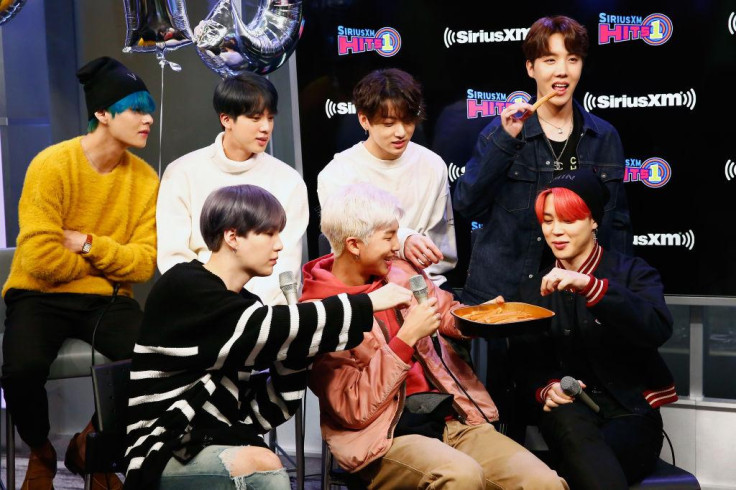
BTS's decision to withdraw from consideration at the 2027 Grammy Awards has generated a wave of commentary since the K-pop group announced its withdrawal on July 29, but a closer look at who has actually spoken out reveals that the loudest voices so far have come primarily from within the K-pop world and the broader Asian entertainment community, rather than from mainstream American pop stars.
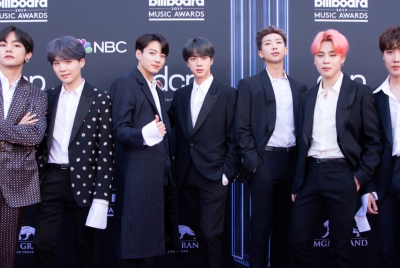
BTS's seven members posted identical statements to their individual Instagram accounts announcing they would not submit music for consideration at the 69th Grammy Awards, set for Feb. 7, 2027, saying they hoped their music could be heard and loved for what it is rather than divided by region or language. The statement was widely interpreted as a response to the Recording Academy's June 16 announcement of a new Best Asian Pop Music Performance category, which critics argue effectively walls K-pop off from the ceremony's marquee general-field categories like Album of the Year.
Who Has Actually Spoken Out
Among the most visible reactions has come from Tablo, frontman of the Korean hip-hop group Epik High, who shared a story from BTS leader RM's Instagram and added the message "ARIRANG > Grammys," referencing the title of BTS's new album. Bang Yong-guk, of the K-pop group B.A.P, similarly shared a news story about the boycott with his followers, as did Korean American actor Daniel Dae Kim, who also hosts CNN's "K-Everything" series. Maggie Kang, the Korean Canadian co-director of Netflix's animated hit "KPop Demon Hunters," shared a news article about the boycott online along with a clapping emoji.
Beyond individual artists, American academics and music industry observers have offered some of the more pointed public commentary. Matthew Pellegrino, a music teacher at NYU Steinhardt and a K-pop expert, told CNN that the new Asian pop category, while framed with good intentions, effectively places Asian artists into a separate category that makes them unequal to mainstream American pop artists. Separately, a fan and observer named David Scragg told CNN he was disappointed and a little confused when he heard the Grammys planned to launch an Asian music category, saying he felt it functioned as a way to keep BTS out of the more prestigious main categories.
Notably Quiet: Mainstream American Pop Stars
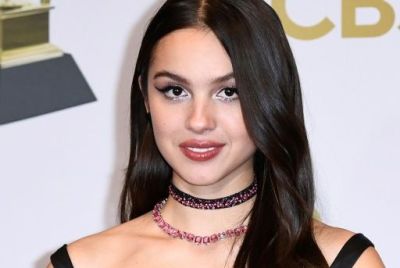
Despite the volume of online commentary surrounding the boycott, a review of major entertainment coverage as of early August shows that few, if any, top-tier American pop stars, artists like Taylor Swift, Ariana Grande, Olivia Rodrigo, Doja Cat or Halsey, have issued direct, on-record statements specifically addressing BTS's 2026 Grammy withdrawal. That relative silence stands in contrast to the amount of attention the story has received across entertainment media and social platforms, and several outlets covering the controversy have noted that celebrity reaction videos and social media roundups have circulated widely online even where the underlying substance of any individual celebrity's comments remains difficult to verify.
A History of Crossover Between BTS and American Pop
The absence of major American pop star commentary this time around is notable given BTS's extensive history of collaboration with, and support from, artists in the American pop mainstream. Halsey featured on BTS's 2019 hit "Boy With Luv," and the group's Grammy nomination history includes featured credits alongside Coldplay for the 2022 song "My Universe." At the 64th Annual Grammy Awards in 2022, BTS shared the stage with Olivia Rodrigo during a widely discussed live performance moment, and the band's nominations that year came in categories that included Justin Bieber and Benny Blanco, Coldplay, and Tony Bennett and Lady Gaga as fellow nominees.
Other Artists Have Boycotted the Grammys Before, for Different Reasons
While direct comment on BTS's specific situation from major American pop stars has been limited, the broader history of artists criticizing or boycotting the Grammys offers useful context for how the industry has previously responded to similar disputes. The Weeknd publicly boycotted the ceremony for several years after his 2020 album "After Hours" received no nominations, before ending his boycott in 2025 to perform at the show. Zayn Malik criticized the Grammys' nomination process directly on social media in 2021, saying the system allowed favoritism, racism and networking politics to influence voting outcomes. Halsey spoke out the same year after her album "Manic" was not nominated, saying on social media that she and The Weeknd deserved better and describing what she characterized as an opaque nomination process built on relationships and favor-trading. Nicki Minaj has separately criticized the Academy for placing her song "Super Freaky Girl" in a pop category rather than a rap category, arguing it reduced her chances of winning.
The Recording Academy's Response
Recording Academy CEO Harvey Mason Jr. addressed BTS's decision directly, saying in a statement that he was saddened to hear the group had chosen not to participate in this year's Grammy process, while adding that he understood and respected the decision as a fellow music creator. Mason has said the new Asian pop category was created to celebrate the depth, diversity and extraordinary growth of pop artistry coming out of Asia, and has separately noted that submitting music in a genre category does not exclude an artist from also being considered in the ceremony's general field, which includes Album of the Year, Record of the Year and Song of the Year.
With submissions for Best Asian Pop Music Performance and other Grammy categories remaining open through Aug. 28, and nominees not expected until mid-November, there remains a window in which additional artists, American or otherwise, could weigh in publicly on the controversy. For now, the most substantive reactions have come from within the K-pop community, Asian American entertainment figures, and academic observers rather than from the mainstream American pop stars whose past collaborations and shared awards-show history with BTS might otherwise have made them a natural source of public commentary on the group's decision.
© Copyright 2026 IBTimes AU. All rights reserved.
- Recommended For You