Bang Si-Hyuk Probe: How HYBE Investigation Could Impact BTS Comeback Tour and Future
SEOUL, South Korea — The escalating legal troubles facing Bang Si-Hyuk, the billionaire founder and chairman of HYBE, the agency behind global K-pop supergroup BTS, are raising fresh questions about potential ripple effects on the group's highly anticipated full-group activities and world tour as police seek an arrest warrant over alleged investor fraud tied to the company's 2020 initial public offering.

On April 21, 2026, the Seoul Metropolitan Police Agency confirmed it had requested a court warrant for Bang's arrest on suspicions of violating the Capital Markets Act. Authorities allege he misled early investors in 2019 by claiming HYBE had no immediate plans to go public, prompting them to sell shares cheaply to a private equity fund linked to his associates. Police claim Bang later received roughly 30% of the profits when the fund sold its stake post-IPO, pocketing about 190 billion won ($129 million) in illicit gains. Bang has denied wrongdoing and his legal team expressed regret over the warrant request while pledging continued cooperation.
The timing is particularly sensitive. BTS members have completed mandatory military service and are resuming full group activities, including recent comeback concerts in Seoul, Goyang and Tokyo. A U.S. leg of the world tour is scheduled to begin later this month in Tampa, Florida. The U.S. Embassy in Seoul has formally requested that authorities consider lifting Bang's existing travel ban to allow him to attend key BTS-related events, highlighting the diplomatic stakes and the potential operational impact on the group's momentum.
HYBE has stated it is fully cooperating with the investigation and will "make every effort to clearly explain our position." The company's stock swung sharply on the news, dropping as much as 2.9% at one point even as the broader KOSPI index rose. While HYBE has stressed that day-to-day operations and artist management remain unaffected, the probe inevitably casts a shadow over the agency's leadership stability at a pivotal moment for its flagship act.
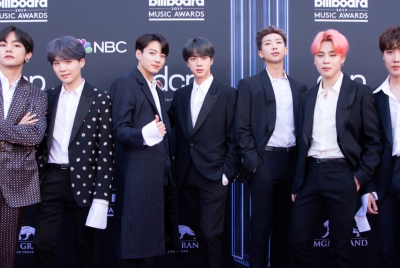
For BTS, the immediate risk appears limited. The seven members — RM, Jin, Suga, J-Hope, Jimin, V and Jungkook — operate with significant creative autonomy and have built an extraordinarily loyal global fanbase known as ARMY. Their recent performances have sold out quickly and generated massive cultural impact, demonstrating the group's resilience independent of corporate headlines. Industry observers note that artist activities are typically insulated from executive-level legal matters unless they directly involve contracts or creative control.
However, longer-term implications could emerge. Bang has been the visionary architect behind BTS since discovering RM as a teenager and shaping the group's authentic storytelling and fan-engagement model. His strategic decisions helped transform HYBE from a small agency into a multibillion-dollar entertainment powerhouse with multiple labels and global ambitions. Any prolonged distraction or leadership vacuum at the top could slow decision-making on tour logistics, new releases, or international expansion.
The travel ban on Bang adds another layer of complexity. If the court approves the arrest warrant and he is detained, his ability to oversee high-level BTS planning — including potential U.S. tour elements or future projects — would be severely restricted. Even without detention, the ongoing legal proceedings could consume significant time and resources. HYBE has contingency plans for leadership continuity, with other executives positioned to handle daily operations, but the symbolic weight of Bang's role as the "godfather of BTS" makes the situation emotionally charged for fans.
ARMY has reacted with a mix of concern, support for due process, and calls to separate Bang's personal legal issues from the members' artistic achievements. Many fans have emphasized that BTS's success stems from the seven members' talent, chemistry and hard work rather than any single executive. Social media has seen trending hashtags expressing solidarity with the group while urging calm and facts over speculation.
Financially, HYBE remains robust. The company has diversified revenue streams through Weverse, gaming, webtoons and other labels featuring acts such as NewJeans, LE SSERAFIM and SEVENTEEN. BTS alone continues to generate billions in economic impact through music, merchandise, touring and brand partnerships. Analysts suggest the probe is unlikely to derail core artist operations in the short term, though prolonged uncertainty could affect investor confidence and stock performance.
The case centers on events surrounding HYBE's 2020 IPO, when the company — then Big Hit Entertainment — went public amid massive hype fueled by BTS's global dominance. Bang, who founded the agency in 2005, has maintained a relatively low public profile in recent months while focusing on strategic oversight. He has been questioned multiple times since the probe intensified in late 2025.
Legal experts suggest proving intent in such complex financial cases can be challenging, potentially leading to prolonged proceedings. If convicted, Bang could face significant penalties, though the exact charges and possible sentences remain under review by prosecutors and the court. A hearing on the detention warrant could occur within days if prosecutors approve the request.
For BTS, the coming months are crucial. The group is in the midst of a major comeback phase after military service, with fans eagerly anticipating new music, performances and possibly a full world tour. Any perception of instability at HYBE could indirectly affect sponsorships, partnerships or logistical planning, though the members' individual brands and collective power provide a strong buffer.
Bang's influence extends beyond BTS to the broader K-pop ecosystem. His artist-centric philosophy helped set new standards for fan engagement and creative freedom. A lengthy legal battle could distract from industry-wide innovation at a time when K-pop faces increasing global competition and scrutiny over labor practices and corporate governance.
As the situation develops, HYBE has reiterated its commitment to transparency and cooperation. The company's stock reaction on April 21 showed initial volatility but limited long-term damage so far, suggesting investors are pricing in the legal overhang while betting on operational resilience.
The probe arrives as BTS prepares for high-stakes international dates, including the U.S. leg. The U.S. Embassy's intervention on the travel ban underscores the diplomatic and economic significance of BTS's activities. Any disruption to Bang's ability to support these efforts could require creative solutions from the rest of the HYBE leadership team.
Ultimately, the impact on BTS will likely remain contained in the short term. The seven members have repeatedly demonstrated their ability to drive their own narrative and maintain momentum through challenges. Fans continue to rally around the group, focusing on the music and performances rather than corporate headlines.
Yet the case serves as a reminder of the complex intersection between creative talent, corporate power and legal accountability in the modern entertainment industry. As prosecutors review the warrant request and the court decides on detention, the coming days and weeks will clarify how deeply the investigation penetrates HYBE's operations and whether BTS's global juggernaut can continue its seamless comeback amid the uncertainty.
For now, the spotlight remains on the music. BTS's recent concerts have drawn tens of thousands of fans and reaffirmed the group's unparalleled cultural force. Whether Bang's legal troubles cast a lasting shadow or fade into the background will depend on the speed and outcome of the judicial process — and on the seven members' enduring ability to captivate the world on their own terms.
© Copyright 2026 IBTimes AU. All rights reserved.
- Recommended For You