Texas Dominates Corporate Relocations in 2026 as California Suffers Steep Headquarters Losses
AUSTIN, Texas — Texas emerged as the clear winner in corporate headquarters relocations during the first months of 2026, attracting dozens of major companies seeking lower taxes, lighter regulation and business-friendly policies, while California continued to post the steepest net losses of corporate HQs among U.S. states.
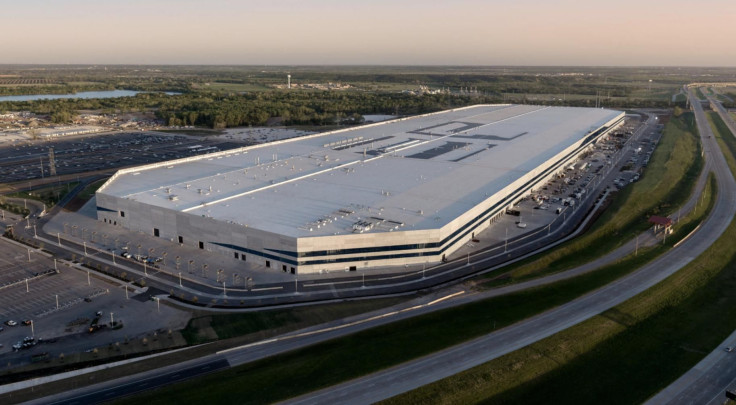
No single government agency tracks every headquarters move with a comprehensive national tally for 2026, but real estate consultants, economic development reports and company announcements point to a continued southward and westward shift. Texas metros — particularly Dallas-Fort Worth, Austin and Houston — led inbound activity, while California's major coastal cities, especially the San Francisco Bay Area and Los Angeles, recorded the largest net outflows.
CBRE's 2026 headquarters relocation update highlighted Texas as the dominant destination, with Dallas-Fort Worth adding more HQs than any other U.S. metro since 2018, including at least 11 new arrivals in 2025 alone from high-cost areas such as Los Angeles, the Bay Area, New York and Chicago. The trend showed no signs of slowing in early 2026.
Public Storage became one of the highest-profile 2026 movers, shifting its corporate headquarters from Glendale, California, to Frisco, Texas. Energy giant Exxon Mobil asked shareholders in March to approve moving its legal domicile from New Jersey to Texas after 144 years, citing a more favorable legal and business environment. Apollo Global Management weighed establishing a second U.S. headquarters in either South Florida or Texas. Wells Fargo relocated its wealth-management headquarters to West Palm Beach, Florida, the first major bank to do so.
Other notable inbound moves to Texas in recent periods included continued momentum from earlier relocations like Chevron's Houston headquarters shift and smaller but symbolically important arrivals in tech, logistics and consumer sectors. YTexas relocation tracking and community impact reports documented hundreds of companies choosing Texas between 2015 and 2024, with dozens more announced or completed in 2025–early 2026.
Florida ranked as the other major gainer. The state benefited from its no-income-tax environment, warm climate and appeal to finance and wealth-management firms. Miami continued to brand itself as "Wall Street South," drawing hedge funds, private equity players and tech executives. Foot Locker planned to move its headquarters from New York City to St. Petersburg, Florida, in late 2025, with effects carrying into 2026 planning. Lumber Liquidators relocated to Tennessee, while other Southeast states such as North Carolina, South Carolina and Georgia captured smaller but steady inflows, often in manufacturing, logistics and fintech.
Southeast metros like Charlotte, Nashville and Phoenix also rose as contenders, drawn by diverse talent pools, infrastructure investments and competitive incentives. Overall, red states with lower tax burdens and right-to-work laws captured the bulk of net gains, according to multiple analyses.
On the losing side, California led with the largest net headquarters losses. The San Francisco Bay Area alone posted a net loss of 156 HQs between 2018 and 2024, with the trend persisting into 2025–2026. High taxes, elevated cost of living, strict labor regulations and housing shortages drove decisions by companies ranging from tech to retail and energy. Oracle, Hewlett Packard Enterprise, Tesla and Charles Schwab were among earlier high-profile exits to Texas or other states, with the pattern continuing through smaller and mid-sized firms.
New York ranked as another significant net loser, with companies citing high taxes, regulatory burdens and operational costs. JPMorgan Chase CEO Jamie Dimon warned in early April 2026 of a potential "exodus" from New York if tax hikes and regulatory pressures intensified under local leadership. New Jersey and Illinois also appeared among states with notable outflows, though exact 2026 counts remained fragmentary.
Washington state recorded one of the highest net-loss percentages in some tracking, with 83% more companies leaving than arriving in certain periods. Massachusetts and other Northeast and West Coast states showed mixed but generally softer results compared with Sun Belt destinations.
Corporate relocations rarely involve mass employee transfers; many moves bring only executive teams or select functions while leaving operational footprints behind. Still, each HQ shift signals confidence in a new location's long-term ecosystem and can influence talent attraction, supplier networks and local tax bases.
Drivers behind the 2026 patterns echoed recent years: companies sought to optimize costs after the hybrid-work era, reduce exposure to high state income taxes (California's top rate exceeds 13%, New York's approaches 11% for high earners), and escape regulatory environments perceived as burdensome. Lower energy costs, abundant land for expansion and pro-business incentives in Texas and Florida proved decisive for many boards.
Talent migration reinforced the trend. Census and mover data showed Texas and Florida among the top states for net domestic population gains, with Texas adding hundreds of thousands of residents annually. Southern and Sun Belt states dominated inbound migration rankings, while California, New York, New Jersey and Illinois posted consistent net domestic losses.
Economic development officials in gaining states promoted lower corporate taxes, streamlined permitting and infrastructure projects. Texas highlighted its lack of state income tax and diversified economy spanning energy, tech, logistics and healthcare. Florida emphasized lifestyle factors alongside tax advantages. Losing states pointed to world-class talent pools, global connectivity via major airports and established innovation ecosystems, yet struggled to offset cost and policy disadvantages.
Not every move represented a full exodus. Some companies maintained significant operations in California or New York while shifting legal or primary headquarters. ServiceNow, for instance, explored but ultimately kept its headquarters in California while expanding substantially in Florida. AI firms added office space in Manhattan even as other sectors departed.
Analysts noted that the pace of headquarters relocations cooled somewhat from the 2020–2022 peak driven by pandemic shifts, yet directional momentum favored low-tax, low-regulation states. CBRE described 2025 activity as a "reset" with continued but more selective moves focused on efficiency and quality-of-life factors for executives.
Broader implications extended beyond individual companies. Gaining states reported job creation, increased commercial real estate demand and boosted local economies. Dallas-Fort Worth, Austin and Houston saw sustained office leasing and residential growth tied to corporate arrivals. Losing regions faced potential erosion of tax revenue and leadership presence, though many retained substantial employment bases.
As 2026 progressed, attention turned to second-half announcements and whether federal policy shifts — including potential tax reforms or infrastructure spending — would alter incentives. Geopolitical stability and interest rate trends also influenced capital allocation decisions for relocations.
For now, the data painted a clear picture: Texas stood as the top state gaining big companies through headquarters moves in 2026, capitalizing on its economic momentum and policy advantages. California led states losing corporate HQs, continuing a multi-year trend that reshaped America's business geography.
The corporate migration underscored fundamental differences in state economic models and their appeal to decision-makers. Whether the pattern accelerates or moderates will depend on execution in destination states and policy responses in those seeing outflows.
© Copyright 2026 IBTimes AU. All rights reserved.
- Recommended For You