

Laser-Powered Mosquito Killer Hits US Market as California Sees Five-Year High in West Nile Virus Cases
Photon Matrix introduces a high-tech mosquito control solution during California's peak West Nile virus season.
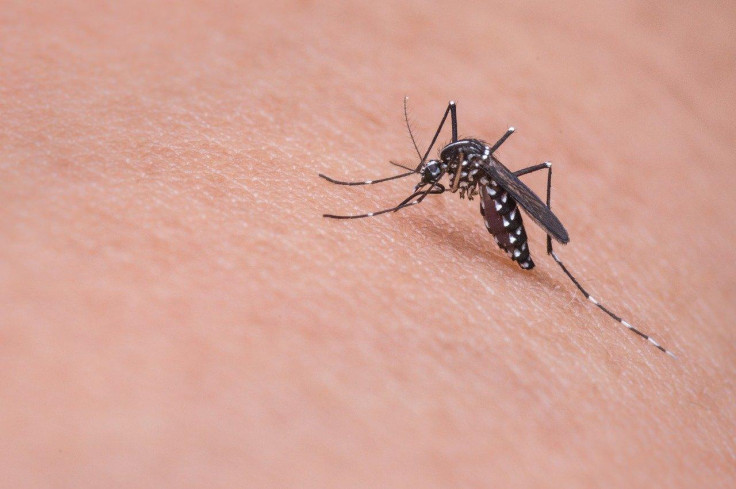
A Chinese startup is betting American consumers will pay nearly $1,000 for a laser-equipped device that hunts and kills mosquitoes in midair, as the pest-control gadget arrives on the market at the same time California is logging its worst West Nile virus activity in five years.
The company, Photon Matrix, is selling an indoor version of its laser mosquito air-defense system for $988, along with an outdoor blue laser model starting at $1,088. The devices use a combination of lidar, radar and AI-based vision to detect and confirm a mosquito before firing a targeted laser at the insect, according to the company.
The outdoor unit is marketed for use on patios, campsites and outdoor dinner settings. Company-released videos show the device firing bright blue flashes at flying targets as it tracks them through the air.
According to Photon Matrix, the outdoor version scans a 20-foot field extending 90 degrees in front of the device and is designed to detect insects as small as 2 millimeters moving at speeds up to 3.3 feet per second. A rotating base gives the system 360-degree coverage, and the company says a single charge from a power bank can keep the unit running for roughly four to five hours.
The system works by first scanning its surroundings and measuring the distance to background objects, the company says. When an insect crosses into the detection field, the device evaluates its size and shape and fires only if the target matches the profile of a mosquito. Photon Matrix says the laser is calibrated to disable a mosquito's wings while distinguishing the pests from other flying insects, such as butterflies, and that the system automatically shuts off if it cannot identify a solid background within its range.
The indoor model relies on infrared detection paired with a laser invisible to the human eye, and is pitched for use in bedrooms, hotel rooms and other enclosed spaces. The outdoor model's visible blue flash, by contrast, signals to nearby people each time the device fires.
Photon Matrix also advertises the system as chemical-free, with app-based controls, a 12-month warranty and a design the company says is safe around pets and children. Those performance and safety claims come from the company itself and have not been independently verified.
The device has already attracted attention on social media, where commentators have likened it to military-grade technology scaled down for backyard use. One commentator on X described the system as an "Iron Dome for mosquitoes," while another characterized it as a personal air-defense system that "locks onto a mosquito in 3 milliseconds" before firing. A separate post claimed the device can eliminate up to 30 mosquitoes per second and operate in total darkness, comparing the underlying technology to Reagan-era missile defense research.
The product's debut comes as California's West Nile virus season has intensified. The state's official West Nile virus dashboard, last updated Aug. 21, reported 46 human cases across 14 counties so far in 2026, along with four virus-related deaths. The same update logged 437 positive dead birds, 2,644 positive mosquito samples, 64 sentinel chickens and six horses that tested positive for the virus.
West Nile virus is the leading mosquito-borne disease in the United States, according to the Centers for Disease Control and Prevention. Most people who become infected do not develop symptoms, but roughly one in five experience fever, headaches, body aches, vomiting, diarrhea or a rash. Fewer than 1% of infected people develop a serious neurological illness affecting the brain or spinal cord, with older adults and people with weakened immune systems facing the greatest risk, the CDC says.
Public health officials across the country trap and test mosquitoes throughout the summer months to track West Nile activity. A positive mosquito sample does not guarantee that people in the surrounding area will become infected, officials say, but it can serve as an early signal that the virus is circulating locally.
Health officials continue to recommend more conventional prevention measures alongside any technological solutions, including eliminating standing water from bird baths, flowerpots, buckets, old tires and children's toys, where mosquitoes commonly lay their eggs. Trimming overgrown vegetation around homes can also reduce mosquito activity, officials say.
Whether laser-based devices like the one from Photon Matrix will meaningfully reduce mosquito populations or disease transmission at the household level remains untested by independent researchers, and the company's claims about detection accuracy and kill rates have not been verified outside of its own promotional materials.
© Copyright 2026 IBTimes AU. All rights reserved.