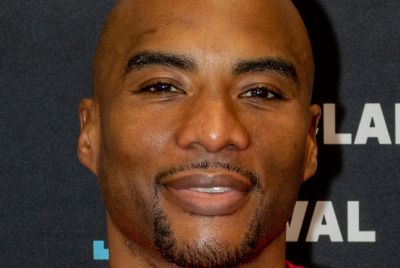
Kendrick Perkins Boldly Declares LeBron James, Steph Curry and Kevin Durant Done Winning NBA Titles
ESPN's Kendrick Perkins sparks debate by claiming LeBron James, Stephen Curry, and Kevin Durant won't win another NBA title.
NEW YORK — ESPN analyst Kendrick Perkins delivered a provocative take Tuesday on "Get Up," declaring that LeBron James, Stephen Curry and Kevin Durant have no realistic path to another NBA championship for the rest of their careers, labeling the three future Hall of Famers as "dead birds" in the title conversation.
"Let's have a moment of silence for the ones that passed away, the dead," Perkins said on the May 12, 2026, episode. "LeBron, Steph, and KD, they're dead birds, tall grass when it comes to them ever stepping foot on the big stage again as far as winning a NBA championship. Those days are over. Neither one of those guys for the rest of their NBA careers will win another championship."
The comments immediately ignited debate across sports media and social platforms, spotlighting the twilight years of three transcendent stars who have combined for 11 championships and reshaped the NBA over nearly two decades. At ages 41 (James), 38 (Curry) and 37 (Durant), all three remain active but face mounting questions about their ability to lead contenders deep into the postseason.
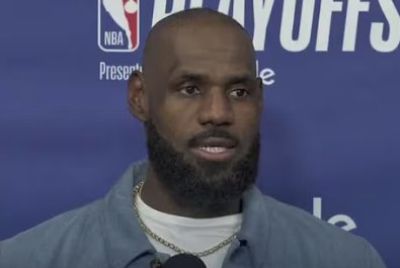
James, the NBA's all-time leading scorer, is weighing his future with the Los Angeles Lakers after another early playoff exit. Speculation swirls about whether he will return for a 24th season or retire as the league's most accomplished player. Perkins' remarks come as James navigates father-son dynamics with Bronny and contemplates legacy preservation.
Curry, the greatest shooter ever, led the Golden State Warriors to another competitive season but fell short of championship contention. The Warriors' window appears narrower despite Curry's enduring brilliance and leadership. His four titles, all with Golden State, cemented his dynasty status, yet Perkins suggests that chapter has closed.
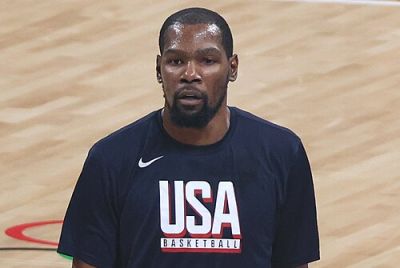
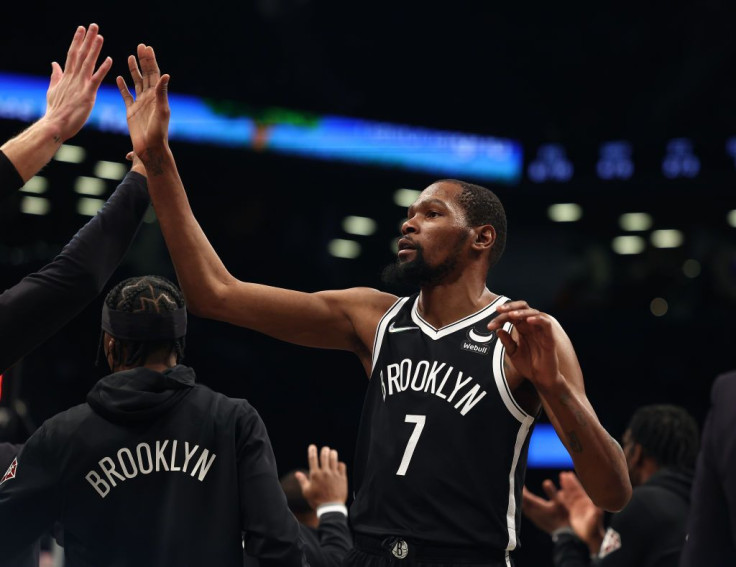
Durant, now with the Houston Rockets after stints in Brooklyn and Phoenix, continues posting elite scoring numbers but has not advanced past early playoff rounds since leaving the Warriors. Perkins has previously questioned Durant's post-Golden State legacy, amplifying scrutiny around his championship hopes.
Perkins, a former Boston Celtics champion and vocal ESPN personality, built his media career on blunt, headline-grabbing opinions. His latest take aligns with a pattern of challenging aging superstars' futures while praising the league's younger generation. Critics quickly accused him of seeking attention, while supporters argued the assessment reflects current roster realities and injury risks.
The NBA landscape has shifted dramatically. Younger stars like Nikola Jokic, Luka Doncic, Giannis Antetokounmpo, Jayson Tatum and Anthony Edwards now anchor true contenders. Teams prioritize athleticism, two-way versatility and depth over individual brilliance in the twilight of long careers. Play-in chaos and parity further complicate paths for veteran-led squads.
James' Lakers, despite flashes of brilliance, struggle with consistency and supporting cast questions. Curry's Warriors rely heavily on his gravity but lack the firepower of their 2010s peak. Durant's Rockets show promise but remain a work in progress amid roster transitions. None currently project as clear favorites in upcoming playoffs.
Yet history cautions against writing off legends prematurely. James dragged undermanned teams to Finals appearances late in his 30s. Curry reinvented offenses at an advanced age. Durant's scoring touch remains unmatched. All three have defied Father Time before, fueling pushback against Perkins' finality.
Social media erupted with memes, polls and counterarguments. #DeadBirds trended alongside defenses of each player's remaining prime. Former players and analysts weighed in, with some agreeing the window has narrowed while others highlighted motivation and potential roster moves. James' camp has not responded directly, maintaining focus on family and business ventures.
Perkins' history with these stars adds context. A Celtics rival during Boston's 2008 title run, he later developed relationships through media and player circles. His commentary often blends respect with tough love, though detractors label it overly pessimistic or performative. Earlier this season, he stirred debate by suggesting a 41-year-old James beating Durant's Rockets would solidify GOAT status over Michael Jordan.
League insiders note shifting dynamics. Free agency and draft capital favor youth movement. Luxury tax concerns and load management limit veteran minutes. Medical advancements extend careers, but playoff intensity exposes decline. Only exceptional supporting casts can elevate aging cores to contention.
For James, retirement speculation intensified after recent postseason disappointment. A potential 2026-27 return could pair him with younger talent, but championship odds remain long. Curry signed extensions signaling commitment to Golden State's rebuild-around-veterans approach. Durant's future appears fluid amid Houston's youth movement.
Perkins' declaration underscores broader NBA storytelling. The league thrives on narratives of rise, peak and decline. Legends transitioning from contenders to mentors or role players marks natural evolution. Fans cherish final chapters even without fairy-tale endings.
Defenders of the trio point to intangibles. Leadership, basketball IQ and experience compensate for lost explosiveness. Strategic rest, specialized training and rule changes favoring offense could extend windows. Roster construction around complementary pieces remains possible in a star-driven league.
Critics counter with data. Advanced metrics show declining efficiency in key areas for all three. Playoff win probabilities drop sharply for teams led by players over 35 without elite support. Recent seasons reinforce the trend toward younger dynasties.
The comments arrive amid 2026 playoffs, heightening stakes. As contenders battle without these icons dominating headlines, Perkins' words reflect a perceived passing of the torch. Yet NBA history is littered with premature eulogies. Michael Jordan, Kobe Bryant and others delivered late-career magic.
Perkins framed his take as realism rather than disrespect. "Those days are over," he repeated, urging acceptance of new realities. Whether prophetic or premature, the statement guarantees continued debate as each star navigates his final seasons.
James, Curry and Durant have already secured legacies few athletes match. Multiple MVPs, scoring titles, Olympic gold and cultural impact transcend additional rings. Their influence on today's game — from spacing to player empowerment — endures regardless of future hardware.
As the NBA evolves, Perkins' bold call serves as a flashpoint. It forces reflection on greatness, mortality in sports and the difficulty of sustaining excellence. Fans will watch closely to see if any of the three can prove the analyst wrong one final time.
For now, the moment of silence Perkins requested echoes loudly. The stars he declared finished retain agency to author different endings. In a league built on drama, their responses — on or off the court — will write the next chapter.
© Copyright 2026 IBTimes AU. All rights reserved.
- Recommended For You