Luka Doncic Blasts Media Over False Return Hopes as Lakers' Playoff Dream Ends in OKC Sweep

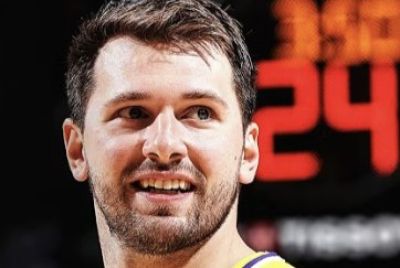
LOS ANGELES — Luka Doncic watched helplessly from the sideline as the Los Angeles Lakers' promising 2025-26 season came to a painful end Monday night, swept 4-0 by the Oklahoma City Thunder in the Western Conference semifinals. The superstar's absence due to a Grade 2 hamstring strain turned what looked like a championship contender into a vulnerable squad, capping a month-long emotional rollercoaster for fans and the franchise.
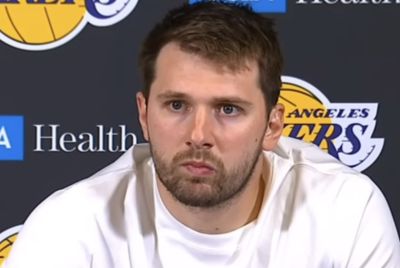
Doncic, who had been leading an MVP-caliber campaign before the injury, spoke candidly after the 115-110 Game 4 loss at Crypto.com Arena. The Slovenian star did not hold back when addressing media speculation about a potential miracle return. "It's very frustrating. I know some people wanted me back," Doncic said. "But obviously, I wasn't close to clearing. There was some stuff in the media that went out that wasn't true. Nobody out of those people saw my MRIs, so it wasn't really true. If I could be out there, I would be 100 percent."
The injury occurred on April 2 in a regular-season game against the very same Thunder team. What initially appeared as a standard Grade 2 left hamstring strain proved more complicated. Further evaluation in Spain revealed deeper damage, extending the expected recovery timeline beyond the optimistic projections that fueled comeback rumors throughout the postseason.
Late-Season Surge Fueled MVP Talk
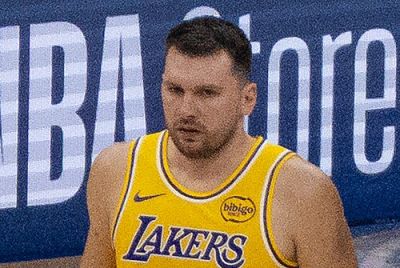
Before the injury, Doncic had transformed the Lakers into contenders. Acquired in a blockbuster trade, the five-time All-Star averaged league-leading scoring numbers and orchestrated a late-season surge that secured a solid playoff seeding. His play elevated teammates including LeBron James and Austin Reaves, creating buzz around a potential deep playoff run and even MVP consideration alongside frontrunners like Shai Gilgeous-Alexander and Victor Wembanyama.
The Lakers advanced past the Houston Rockets in the first round without him, a gritty six-game series that gave fans hope. But facing the top-seeded, defending champion Thunder proved too steep a climb. Without their offensive engine, Los Angeles struggled to match OKC's depth and defensive intensity across the four-game series.
Injury Reality vs. Public Speculation
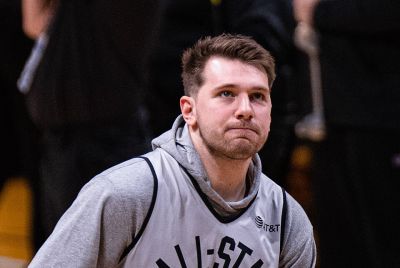
Doncic emphasized the physical limitations throughout his recovery. Doctors initially outlined an eight-week timeline. He traveled to Spain for advanced treatment, including platelet-rich plasma injections, and progressed to running and shooting. Yet full-contact practice remained off limits, a critical barrier for return in the high-stakes playoff environment.
"I was sad not to be able to help my team," Doncic added. "This is the best time to play basketball." His comments directly countered reports suggesting he was nearing a return for later games in the Thunder series. The disconnect between optimistic leaks and medical reality left fans oscillating between hope and disappointment for weeks.
Medical experts note that hamstring strains, particularly in high-usage players like Doncic, require extreme caution. Rushing back risks re-injury and longer-term setbacks. Lakers medical staff and Doncic's camp prioritized long-term health over a short-term appearance that could have jeopardized his future.
Team's Resilience and Future Outlook
Despite the sweep, the Lakers showed fight. James, at 41, delivered strong performances, while role players stepped up in the first round. The series exposed roster gaps without Doncic's playmaking and scoring gravity, however. Coach JJ Redick and front office executives now face critical offseason decisions as James and Reaves head toward free agency.
Doncic himself turns attention to recovery and preparation for next season. He confirmed he will skip summer commitments with Slovenia's national team to focus fully on rehab. "Looking to the offseason, obviously, I'm still doing recovery, so that's the first thing," he said. Reports indicate he has started a structured diet and training program aimed at addressing durability concerns.
Broader Implications for Lakers Franchise
The 2025-26 campaign highlighted both the highs of pairing generational talents and the fragility of relying on star health. Doncic's acquisition represented a bold win-now move. While it produced regular-season success, injuries and playoff shortcomings underscore the need for roster depth and better injury prevention strategies.
Fans rode the emotional wave from MVP buzz to playoff elimination. Social media reflected the frustration — some blamed media hype, others pointed to front-office construction. Yet many remain optimistic about the core of Doncic, James (if he returns) and supporting pieces heading into 2026-27.
League observers view this as a learning experience for a young Lakers nucleus around its new franchise cornerstone. With Doncic still in his prime and committed to improving durability, the organization has a foundation for sustained contention if health cooperates.
As the NBA offseason begins, all eyes turn to free agency and the draft. The Thunder's dominance serves as a benchmark, while the Lakers must build a more resilient supporting cast. For Doncic, the message was clear: speculation cannot override medical reality, and his focus now shifts to returning stronger.
The rollercoaster ride ends for this season, but the pursuit of a title in purple and gold continues with renewed determination.
© Copyright 2026 IBTimes AU. All rights reserved.
- Recommended For You