How Many Games Will Be Luka Doncic Be Out? Luka Doncic Hamstring Injury Timeline Uncertain
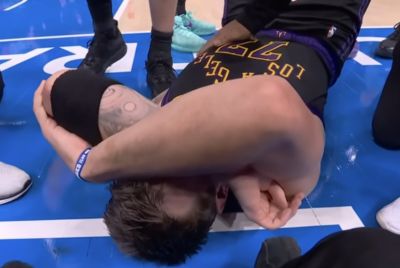
Los Angeles Lakers star Luka Doncic suffered a non-contact left hamstring injury during Thursday night's blowout loss to the Oklahoma City Thunder, leaving his return timeline unclear as the team awaits results from an MRI scheduled for Friday.
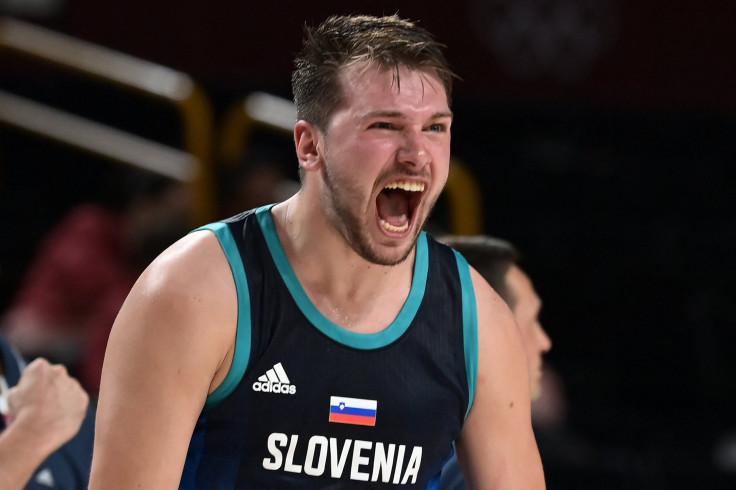
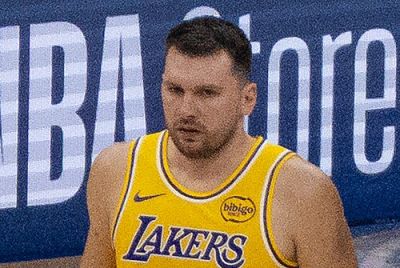
The 27-year-old Slovenian guard, who has been the Lakers' offensive centerpiece since his mid-season acquisition, exited in the third quarter of the 139-96 defeat after appearing to grab at his hamstring while driving to the basket. He finished with 12 points, four rebounds and seven assists in limited action before heading to the locker room and not returning.
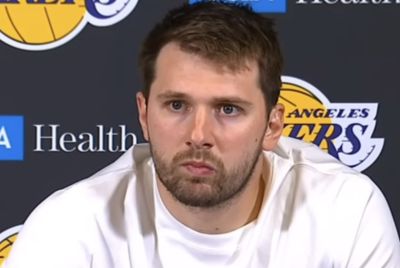
Lakers coach JJ Redick provided a brief update after the game but offered no firm prognosis. "We'll do an MRI tomorrow on the left hamstring," Redick said. "We'll know more in the next 24 to 48 hours. The priority right now is Luka's long-term health."
No official number of games or days missed has been announced. Hamstring strains in the NBA are notoriously unpredictable, with recovery times varying widely based on severity. Medical experts and injury analysts suggest a Grade 1 strain could sideline a player one to two weeks, while a Grade 2 strain often requires three to six weeks. More significant tears could mean even longer absences, potentially impacting the Lakers' playoff positioning and postseason hopes.
This marks the latest in a string of lower-body issues for Doncic this season. He previously dealt with left hamstring soreness in February and March, missing several games before returning to post strong performances, including a 42-point outing against the Cleveland Cavaliers on March 31. The recurring nature of the ailment raises concerns about management and potential re-injury risk if he rushes back.
LeBron James, who has formed a potent partnership with Doncic, expressed immediate concern postgame. "The last thing you want to see is one of your brothers go down like that," James said. "Luka is our franchise player. He's been unbelievable since he got here. We're all pulling for him to be OK."
The injury occurred in a dismal performance for the Lakers, who fell to third in the Western Conference standings. With the regular season winding down and the playoffs set to begin around mid-April, any extended absence for Doncic could force the team to lean even more heavily on James, Austin Reaves and the supporting cast amid other injury concerns.
Doncic has been one of the league's most dominant players in 2025-26, averaging near-MVP numbers and elevating the Lakers' offense with his playmaking, scoring and rebounding. His absence would represent a significant blow to a team built around the James-Doncic duo, especially in a loaded Western Conference where seeding and home-court advantage remain critical.
Hamstring injuries often require careful rehabilitation to avoid setbacks. NBA history shows that players returning too soon from such ailments frequently miss additional time. The Lakers are expected to take a cautious approach with their star, prioritizing long-term availability over short-term gains in the final stretch of the regular season.
Redick emphasized the need for thorough evaluation. "Luka is a tough competitor and has been dealing with some soreness, but we'll get imaging and know more soon," he added. Team officials have not ruled out the possibility of Doncic missing multiple weeks, though optimism remains that the injury may not be season-ending.
Fan and analyst reactions poured in quickly on social media, with many expressing worry about the impact on the Lakers' playoff run. Some pointed to the team's lack of depth at the guard position as a potential vulnerability if Doncic is sidelined for an extended period. Others noted the physical toll of a long season on high-usage stars like the 27-year-old, who has logged heavy minutes since joining the purple and gold.
The timing adds pressure. The Lakers have navigated injuries throughout the campaign, and losing their dynamic guard now could disrupt momentum heading into the postseason. With games coming quickly, the team must prepare contingency plans, potentially adjusting offensive schemes to feature more pick-and-rolls with James or increased roles for Reaves and others.
Earlier in the season, Doncic powered through similar soreness to deliver standout performances, reminding observers of his resilience. However, repeated hamstring issues can linger and require modified workloads or rest. The upcoming MRI will provide clarity on whether this is a minor aggravation or something more substantial requiring structured rehabilitation.
Medical professionals not affiliated with the team have noted that non-contact hamstring strains in basketball players often stem from explosive movements, fatigue or underlying tightness. Recovery protocols typically include rest, physical therapy, strength training and gradual return-to-play progression under close monitoring.
For the Lakers' front office and coaching staff, the focus shifts to maintaining competitiveness without their star facilitator. James, at 41, continues to defy age but cannot shoulder the full load indefinitely. The team's supporting cast will be tested, with calls for "next man up" mentality echoing in the locker room.
League-wide, the injury highlights the physical demands on modern NBA stars. Hamstring strains have sidelined numerous high-profile players in recent seasons, often derailing MVP campaigns or deep playoff runs. Doncic's case draws extra attention given his central role in Los Angeles' resurgence.
As of Friday morning, no definitive return date has been set. The Lakers face a quick turnaround with upcoming games that could influence final seeding. Daily updates from the team's medical staff are expected, with caution likely prevailing to ensure Doncic is fully healthy for any postseason appearance.
Doncic himself has not issued a public statement beyond the on-court events, but his history suggests a strong desire to compete and contribute. In previous setbacks, he has returned motivated and productive once cleared.
The broader implications for the Lakers' season remain fluid. A short absence of one to two weeks might allow a return before the regular season ends, preserving playoff eligibility and rhythm. A longer timeline of four to six weeks or more could force the team into a different mode, relying on veterans and role players to grind out wins.
Analysts will watch closely how the Lakers adapt. The James-Doncic pairing has been electric when healthy, creating one of the league's most potent offenses. Without Doncic, spacing, playmaking and scoring punch could suffer, testing the depth built around the roster.
In the immediate term, the MRI results will dictate the narrative. If the imaging shows only mild strain, optimism for a relatively quick return could build. A more severe finding would prompt adjusted expectations and potentially shift focus toward securing the best possible playoff seed with available personnel.
Basketball insiders stress patience with hamstring injuries. Rushing back often leads to compensatory issues or longer overall absences. The Lakers, under Redick's leadership, have shown a data-driven approach to player management, which could benefit Doncic in this instance.
As the organization awaits more information, the basketball world watches with anticipation. Doncic's talent has transformed the Lakers since his arrival, and his health will play a pivotal role in how far the franchise can go in 2026.
For now, the answer to how many days or games Luka Doncic will miss remains unknown. The MRI on Friday and subsequent evaluations will provide the clearest picture, shaping the Lakers' plans for the final weeks of the regular season and beyond.
Fans and followers are advised to monitor official team updates, as speculation will run rampant until concrete details emerge. In the unpredictable world of NBA injuries, caution and thorough assessment remain the guiding principles.
© Copyright 2026 IBTimes AU. All rights reserved.
- Recommended For You