Luka Doncic Injury Update: Ric Flair Blasts Luka Doncic Over Injury: 'Disappointed' in $46M Star Not Playing

LOS ANGELES — Wrestling legend Ric Flair unleashed a fiery public criticism of Luka Doncic on Sunday, accusing the Lakers superstar of failing to play through his hamstring injury despite earning $46 million this season, in a viral X post that has ignited heated debate about player toughness and the realities of modern sports medicine.
In the post, which quickly amassed more than 2 million views within hours, Flair tagged Doncic and wrote: "@lukadoncic, There Is Only One Word That I Can Possibly Say, And That's DISAPPOINTED. 46 Million Dollars, And You Can't Play. OMG, I Would Jump Off The Empire State Building With A Parachute For 46 Million Dollars A Year, And I Don't Even Know How To Pull The Cord To Open It — But I Would Take My Chances."
.@lukadoncic, There Is Only One Word That I Can Possibly Say, And That’s DISAPPOINTED. 46 Million Dollars, And You Can’t Play. OMG, I Would Jump Off The Empire State Building With A Parachute For 46 Million Dollars A Year, And I Don’t Even Know How To Pull The Cord To Open It-… pic.twitter.com/Q4KsivXySB
— Ric Flair® (@RicFlairNatrBoy) May 10, 2026
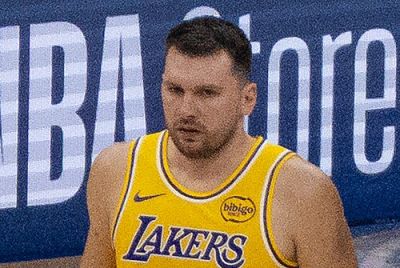
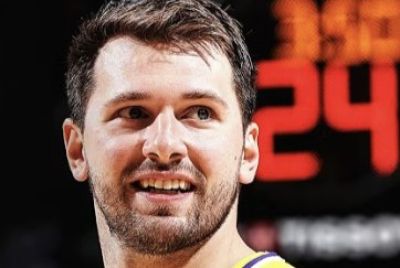
The tweet, accompanied by a photo of a visibly frustrated Doncic in a Lakers jersey, has drawn sharp backlash from fans defending the Slovenian guard's recovery process while others sided with Flair's old-school view of playing through pain.
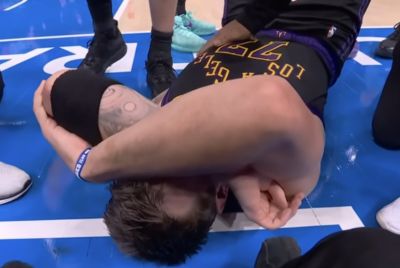
Doncic has been sidelined since early April with a Grade 2 left hamstring strain suffered in the regular-season finale. The injury, which involves a partial tear, typically requires six to eight weeks of recovery. He has been progressing through rehabilitation, including running and light on-court work, but the Lakers have taken a cautious approach to avoid a setback that could sideline him for months or risk long-term damage.
The Lakers trail the Oklahoma City Thunder 3-0 in the Western Conference semifinals without their star acquisition. LeBron James has shouldered much of the offensive load, but the team has struggled to generate consistent scoring and spacing without Doncic's elite playmaking and floor gravity.
Flair, a 16-time world champion and WWE Hall of Famer known for his larger-than-life persona, has a history of outspoken social media commentary. His post echoes a generational divide in sports, where older athletes often emphasize mental toughness and playing through pain while modern medical standards prioritize long-term health and career longevity.
Lakers coach JJ Redick defended the organization's handling of the injury after Friday's practice. "We're not rushing Luka," Redick said. "His long-term health is the priority. We want him back when he's truly ready, not when the outside noise demands it."
Sports medicine experts largely back the Lakers' conservative timeline. Dr. Brian McKeon, an orthopedic surgeon who has treated numerous NBA players, noted that Grade 2 hamstring strains carry a high risk of re-injury if athletes return prematurely. "You can't simply 'tough it out' with this type of tear," McKeon said. "Pushing too soon can turn a six-week absence into a six-month problem."
Fan reactions to Flair's tweet have been sharply divided. Many Lakers supporters defended Doncic, pointing to the seriousness of the injury and the team's medical staff's guidance. "Ric Flair doesn't understand modern sports medicine," one popular reply read. "This isn't wrestling — you can't pop painkillers and limp through a partial tear."
Others echoed Flair's frustration, especially as the Lakers face elimination. "Flair is right," one user wrote. "$46 million a year and you're sitting while LeBron is out there at 41 carrying the team."
The tweet has also sparked broader conversations about player accountability, contract value and the pressure on star athletes during the playoffs. Some analysts noted that high salaries come with expectations of availability, while others argued that protecting long-term health ultimately benefits both player and franchise.
Doncic has not publicly responded to Flair's criticism. In his last comments on the injury, the two-time MVP expressed frustration with the slow recovery but emphasized he was following medical advice. "I want to be out there helping my teammates," he said. "But I have to trust the process."
The Lakers' playoff struggles without Doncic have intensified scrutiny on the blockbuster trade that brought him to Los Angeles last offseason. The move was intended to create a championship window alongside James, but injuries have tested those plans at a critical time.
James, who has averaged nearly 28 points in the series, has shouldered an enormous burden. After Game 3, he declined to comment directly on external criticism of his teammate. "We focus on what we can control," James said. "Luka is working hard to get back. When he's ready, he'll be a huge boost for us."
The NBA has seen a shift in recent years toward more cautious injury management, driven by better diagnostics, advanced rehabilitation techniques and a greater emphasis on career longevity. High-profile cases like Kevin Durant's Achilles tear and Kawhi Leonard's repeated knee issues have reinforced the importance of proper recovery timelines.
Flair's post, while provocative, taps into a nostalgic view of sports toughness that resonates with some fans but clashes with contemporary medical realities. The 76-year-old wrestling icon has frequently used social media to share unfiltered opinions on current events and athletes.
As the Lakers prepare for Game 4 on Sunday at Crypto.com Arena, the focus remains on survival without their Slovenian star. A 3-0 deficit is historically daunting, with only four teams in NBA history ever coming back from such a hole.
Whether Flair's comments motivate Doncic or simply highlight the generational gap in sports culture, they have added another layer of drama to an already intense playoff narrative. For now, the Lakers must find answers on the court while their star continues his recovery on the sidelines.
The viral nature of Flair's tweet underscores how quickly sports commentary can spread in the social media era. What began as one man's opinion has become a national conversation about money, injury and what it means to be a professional athlete in 2026.
As the series continues and Doncic's return timeline remains uncertain, one thing is clear: the pressure on both the player and the organization has never been higher.
© Copyright 2026 IBTimes AU. All rights reserved.
- Recommended For You