Football Fans Increasingly Follow Star Players Over Clubs, New Study And Experts Reveal
The Rise of Player-Centric Support in Modern Football
LONDON — Football fandom is undergoing a fundamental shift, with growing numbers of supporters attaching themselves to individual star players rather than the clubs those players represent, according to new research and interviews with sports industry analysts examining the trend.
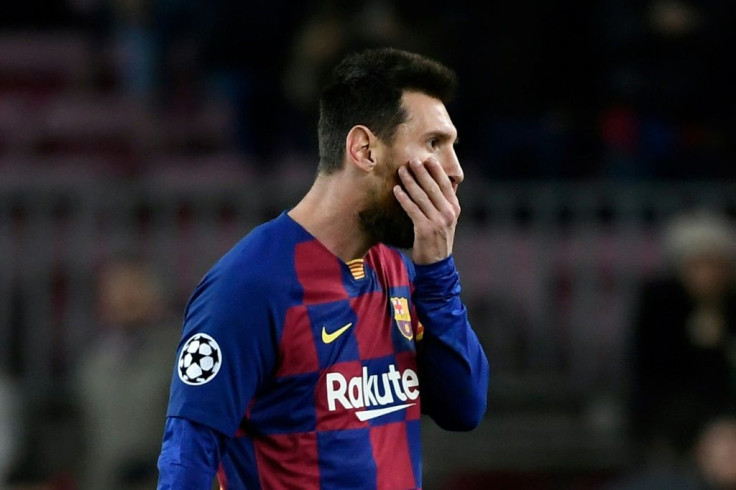
The clearest recent example came with Lionel Messi's 2023 move to Inter Miami, a transfer that instantly reshaped the club's global visibility. Sports brand strategist James Kirkham said the shift in fan behavior surrounding that move has become increasingly common far beyond South Florida. People across the United Kingdom and Europe can now regularly be seen wearing that flamingo pink of Inter Miami, Kirkham said, despite having no personal connection to the city or team, a pattern he attributed directly to Messi's individual pull rather than any traditional club loyalty.
That dynamic extends well beyond Messi and his longtime rival Cristiano Ronaldo, whose move to Saudi Arabia's Al-Nassr has produced a similar wave of fans following the player into an unfamiliar league. Kirkham said the trend traces back further, to the growing influence of football video games on younger fans, pointing to an earlier surge of support for Zlatan Ibrahimovic driven by similar dynamics. He described younger supporters as generally less rigid or tribal in their club loyalties than previous generations, while possessing a far more detailed knowledge of individual players developed through games such as EA Sports FC and Football Manager, alongside YouTube and trading cards.
New research backs up the scale of that shift. A study titled "The Rise of the Second Club Fan," published by the sports marketing firms Engage and MTM ahead of this summer's World Cup, found that 80% of football supporters worldwide now follow a second team in addition to the one they grew up supporting. Matthew Kyle, the report's head of insights and its author, said the trend does not typically reflect fans abandoning their primary club, but rather layering on additional teams or players to follow alongside their original allegiance. According to the report, the single most powerful gateway into following a second club is an individual player, meaning fan support can effectively migrate whenever that player transfers to a new team. The report put it directly: "These fans track individuals, not institutions."
The report's authors trace the modern version of this dynamic back to 2018, when French forward Antoine Griezmann staged an elaborate, LeBron James-inspired television special to announce he was staying at Atletico Madrid rather than joining Barcelona. Griezmann's self-produced reveal drew criticism at the time, but Kyle said the same approach would likely land very differently today if attempted by a player with the current cultural reach of Erling Haaland or Kylian Mbappe. In the years since, top players including Haaland, Ronaldo, Jude Bellingham and England forward Ella Toone have built out their own YouTube channels and content platforms, increasingly controlling their own public narratives independent of the clubs they play for.
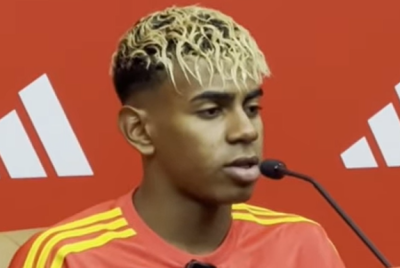
This summer's World Cup, held across North America, offered a clear demonstration of how quickly a player's individual following can expand. Cape Verde goalkeeper Vozinha became a breakout star of the tournament following standout performances against Spain, watching his Instagram following grow from roughly 50,000 to nearly 30 million. Spain and Barcelona's Lamine Yamal and Bellingham both saw major follower spikes during the tournament as well, while even the already widely followed Ronaldo posted further gains. The biggest individual winner, according to Kyle, was Norway's Haaland. "Haaland was a massive winner from the World Cup," Kyle said, noting the forward gained more than 51 million followers across his social media accounts in the roughly six weeks following July 1, compared with just 11 million gained across the entire first half of the year.
The question facing clubs, analysts said, is what happens once a star player who has driven that kind of individual following eventually departs. Turkish club Trabzonspor is currently experiencing a surge in international attention following the arrival of Egyptian star Mohamed Salah after his lengthy run at Liverpool, while Tottenham Hotspur is now working through the transition following South Korean icon Son Heung-min's move to LAFC last summer. Kyle noted that while Tottenham did not see an immediate collapse in its South Korean social media following after Son's departure, LAFC did register a smaller spike in new followers tied specifically to his arrival there. He said clubs facing this dynamic need to focus on delivering content fans still want to engage with, including behind-the-scenes material that can draw interest even from supporters with no traditional connection to the club itself.
The broader shift has even extended to ownership, with high-profile examples such as Wrexham, co-owned by actors Ryan Reynolds and Rob McElhenney, drawing new audiences who may have limited prior interest in football itself but are instead following the owners' own celebrity and storytelling. Kirkham said the growing web of ways fans can now engage with football, through players' individual platforms, celebrity ownership stories, and traditional club coverage, has ultimately expanded rather than diluted the sport's overall reach, giving fans more entry points than ever before to find a personal connection to the game.
© Copyright 2026 IBTimes AU. All rights reserved.
- Recommended For You