Luka Doncic Hamstring Recovery: Experts Reveal Steps to Speed Healing and Beat 4-6 Week Timeline
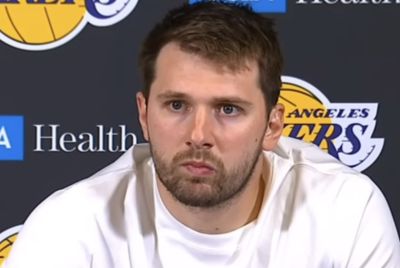
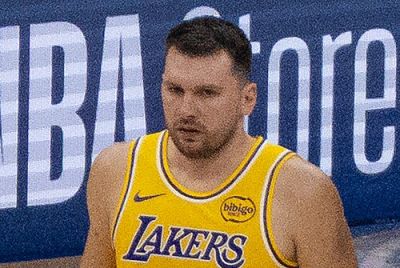
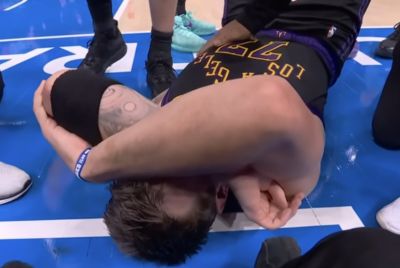
LOS ANGELES — Los Angeles Lakers superstar Luka Doncic is racing the clock to return from a Grade 2 left hamstring strain sustained April 2 against the Oklahoma City Thunder, with the Slovenian guard seeking every available edge to shorten a typical four-to-six-week recovery and potentially rejoin his team during the 2026 NBA playoffs against the Houston Rockets.

Doncic, who leads the league in scoring at more than 33 points per game this season, underwent specialized regenerative treatments in Spain, including multiple injections aimed at accelerating tissue repair. He is scheduled to rejoin the Lakers in Los Angeles on Friday, April 17, ahead of Saturday's Game 1, though he remains out indefinitely with no confirmed return date. Coach J.J. Redick and team officials continue to emphasize caution to avoid re-injury in what could become a physically demanding first-round series.
A Grade 2 hamstring strain involves partial tearing of muscle fibers, causing significant pain, swelling and weakness without a complete rupture. Standard recovery involves initial rest, inflammation control and progressive rehabilitation, but elite athletes like Doncic often explore advanced options to compress timelines while prioritizing long-term durability.
Sports medicine specialists say the most effective ways to speed recovery include a combination of biologic therapies, structured physical therapy, nutrition optimization, sleep and load management. Doncic's recent trip to Madrid focused on regenerative approaches more readily available or advanced outside strict U.S. regulations.
Ultrasound-guided platelet-rich plasma (PRP) injections and stem cell therapies top the list of interventions. PRP uses concentrated platelets from the patient's own blood to deliver growth factors that promote healing and reduce inflammation. Stem cell injections, often harvested from bone marrow or adipose tissue, aim to regenerate damaged muscle and tendon tissue. In Europe, doctors can sometimes culture or concentrate these biologics further, potentially enhancing effects compared with standard U.S. protocols where manipulation is more restricted.
A 2022 study on hamstring injuries found that athletes receiving PRP combined with hematoma aspiration returned to play about nine days faster on average — roughly 23.5 days versus 32.4 days with conventional care. While individual results vary, such treatments have helped high-profile athletes shorten soft-tissue recovery windows.
Physical therapy forms the backbone of any accelerated plan. Once acute pain subsides, controlled eccentric exercises strengthen the hamstring while improving flexibility and neuromuscular control. Progressive loading — gradually increasing intensity, volume and sport-specific movements — helps rebuild resilience without overload. Therapists monitor range of motion, strength symmetry and pain levels daily, using tools like isokinetic testing or force plates for objective data.
Doncic's history with lower-body injuries, including prior hamstring and calf issues, makes careful progression essential. In past recoveries he has spoken about learning to prioritize full healing over rushing back, a lesson that could guide this process. Experts stress avoiding premature return, as re-injury rates for hamstrings can exceed 30 percent in the NBA if athletes test the tissue too soon.
Nutrition and supplementation play supporting roles. Anti-inflammatory foods rich in omega-3s, antioxidants and collagen — think salmon, berries, turmeric and bone broth — help manage swelling. Protein intake supports muscle repair, while adequate hydration and micronutrients like vitamin C, zinc and magnesium aid collagen synthesis. Some athletes add supplements such as tart cherry extract or curcumin, though evidence is mixed and medical supervision is recommended.
Sleep and recovery modalities matter enormously at the elite level. Quality rest allows the body to release growth hormone and repair tissue. Techniques like cryotherapy, compression garments, massage and electrical stimulation can reduce soreness and improve circulation without replacing active rehab. Hyperbaric oxygen therapy or infrared saunas occasionally appear in pro protocols, though scientific backing varies.
Load management is critical for a player like Doncic, whose game relies on explosive changes of direction, deceleration and burst speed. Once cleared for on-court work, ramp-up involves non-contact drills, then limited minutes with monitoring for fatigue or compensatory patterns that could strain other areas like the back or opposite leg. Video analysis and wearable technology help track biomechanics and workload.
Mental preparation cannot be overlooked. Hamstring injuries test patience, especially during playoffs. Sports psychologists help athletes manage frustration, maintain confidence and visualize successful return. Doncic's competitive drive is legendary, but balancing urgency with smart decision-making will determine whether he can contribute meaningfully if the Lakers advance.
Risks of rushing remain high. Returning before full strength and eccentric control increases chances of compensatory injuries or chronic issues. Medical teams typically require pain-free sprinting, cutting, jumping and at least 90 percent strength symmetry before clearance. Even then, minutes restrictions and monitoring continue.
Doncic's European treatments reflect a growing trend among NBA stars seeking cutting-edge care abroad. While exact details of his injections remain private, reports indicate multiple sessions focused on biologic enhancement. Upon returning stateside, he will undergo re-evaluation, including imaging and functional testing, to gauge progress.
The Lakers face a tough Houston Rockets squad in the first round starting Saturday. Without Doncic and with Austin Reaves also sidelined by an oblique strain, the team leans heavily on LeBron James and supporting cast. A mid-to-late series return for Doncic could shift dynamics dramatically, but forcing the issue risks derailing both his season and future health.
Longer term, hamstring strains can recur if underlying factors like muscle imbalances, fatigue or training volume are not addressed. Comprehensive off-season programming focusing on posterior chain strength, core stability and mobility will be key for Doncic, who turns 27 later this year and carries a heavy offensive load.
Team medical staff, including physicians, athletic trainers and strength coaches, coordinate every step. Communication between Doncic, his representatives and the Lakers ensures alignment on goals — returning as strong as possible rather than merely as soon as possible.
Fans and analysts continue debating the ideal timeline. Best-case projections with aggressive regenerative care point to a potential return in three to four weeks, possibly late April or early May. Average scenarios land around five weeks, while conservative approaches stretch toward six or more to ensure durability.
Whatever the path, experts agree the foundation remains the same: respect the injury's biology, follow evidence-based rehab and listen to the body's signals. Advanced treatments like those Doncic pursued can offer an edge, but they supplement rather than replace diligent physical therapy and smart progression.
As the playoffs begin without him, Doncic's focus turns to daily gains in the training room and on the practice court. Lakers supporters hope the combination of European innovation, world-class rehab and the Slovenian star's renowned work ethic can compress the calendar enough to make a difference before the postseason deepens.
In the high-stakes world of NBA recovery, every percentage point of healing counts. For Luka Doncic, the mission is clear — heal smarter, return stronger and help lift the Lakers when the moment arrives.
© Copyright 2026 IBTimes AU. All rights reserved.
- Recommended For You