Coca-Cola Stock Edges Higher Near $80 as IRS Tax Battle, India IPO Plans Loom
Coca-Cola's stock performance remains steady despite valuation concerns, ongoing tax disputes, and potential India IPO.
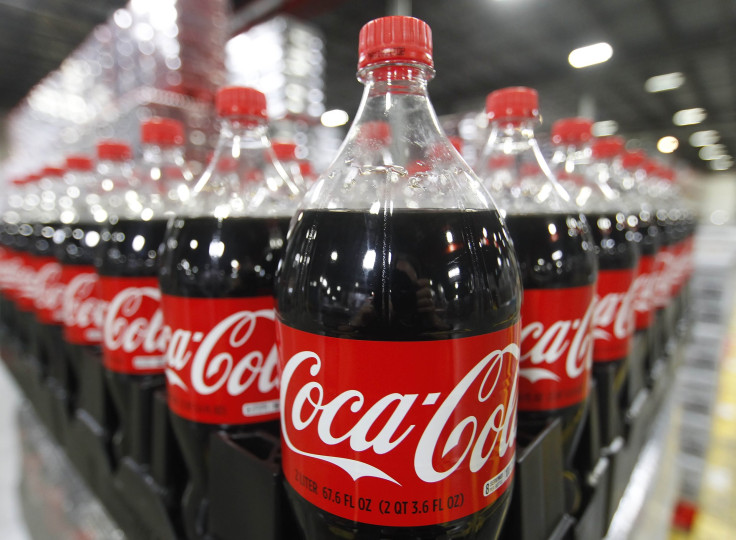
Coca-Cola shares rose 0.74% to $80.14 on Tuesday, trading near the middle of the stock's 52-week range as investors continue weighing the beverage giant's steady operational performance against a significant ongoing tax dispute and a potential overseas public listing for one of its key bottling operations.
A Year of Modest, Steady Gains
Coca-Cola stock has had a solid 2026 so far. Coca-Cola is up 11% in 2026, reflecting the kind of consistent, if unspectacular, performance long associated with the company's stock among defensive, dividend-focused investors. Over the past 52 weeks, Coca-Cola has traded between $65.35 and $84.04, placing Tuesday's price comfortably within that range but still below the stock's recent highs.
A High Valuation Relative to Growth
Despite the stock's steady performance, some analysts have flagged Coca-Cola's current valuation as expensive relative to its underlying growth rate. KO trades at 23.8 times forward earnings and 20.9 times forward EV/EBITDA. That is not cheap for a company expected to grow revenue only 2.7% annually through 2028. The market is paying a premium because Coca-Cola has durable brands, global distribution, and pricing power that help earnings hold up through different economic cycles.
That premium pricing has prompted some caution about the stock's near-term return potential. Still, the valuation points to limited annualized return potential. A 4.5% expected annual return is not especially compelling unless an investor prioritizes stability, dividends, and lower volatility.
Strong Underlying Profitability
Despite the valuation concerns, Coca-Cola's actual business performance remains highly profitable by almost any measure. The business remains highly profitable, with a last-twelve-months gross margin of 61.6% and an EBIT margin of 31.3%. In simple terms, Coca-Cola keeps a large share of each sale after product costs, and it converts a strong portion of revenue into operating profit.
2025 Results and 2026 Guidance
The company's recently completed fiscal year showed continued, if modest, top-line growth alongside a notably more ambitious profit outlook for the year ahead. Coca-Cola reported 2025 revenue of $47.9 billion, up 2%, while organic revenue grew 5%. Management said the year showed "resilience and momentum." The company also gave a steady 2026 outlook, with Coca-Cola expecting 4% to 5% organic revenue growth and 7% to 8% comparable EPS growth — guidance that supports the stock's premium valuation, given that earnings growth is expected to outpace sales growth.
Coca-Cola Zero Sugar Leading Product Growth
Among the company's specific product lines, its sugar-free flagship has continued to outpace the broader portfolio. Coca-Cola Zero Sugar remains a key product driver. The brand grew 14% for the full year in 2025, reflecting how lower-sugar products help Coca-Cola adapt as consumer tastes continue shifting away from traditional full-sugar sodas.
A Long Streak of Dividend Increases
Capital returns also support the stock's appeal among income-focused investors. Coca-Cola paid $8.8 billion in dividends in 2025 and has increased its dividend for 63 straight years. With a dividend yield in the 2.6% to 2.8% range and a payout ratio above 80% by some measures, dividend stability remains central to the investment case for many longtime shareholders.
A Significant Tax Dispute With the IRS
Beyond its operational performance, Coca-Cola continues navigating a major and unresolved legal matter that could carry substantial financial implications. Coca-Cola is engaged in a critical legal battle with the IRS over a $20 billion tax dispute that could reshape transfer pricing rules. The company continues to focus on balanced revenue growth through pricing strategies while maintaining liquidity to support its dividend amid this ongoing litigation.
A Possible India IPO
Separately, Coca-Cola has also been exploring strategic options for one of its key emerging-market operations. Coca-Cola has been exploring a potential public listing in India for Hindustan Coca-Cola, according to Bloomberg reporting, a move that would give the beverage giant additional exposure to capital markets in one of its fastest-growing geographic regions.
A Supply Chain Disruption Tied to the Iran Conflict
The company has also faced some emerging-market supply constraints linked to the broader Middle East conflict that dominated headlines earlier this year. Reuters reported Diet Coke shortages in India after the aluminum can supply was disrupted by the Iran conflict. That is not the main driver of KO's global valuation, but it highlights input costs and supply-chain risk in emerging markets.
Wall Street's Bullish Lean
Despite the valuation concerns and ongoing legal overhang, the broader analyst community has remained largely positive on the stock in recent weeks. According to 15 analysts, Coca-Cola has a Buy consensus rating, with Wall Street setting a price target around $86.13. Several individual analyst actions have reinforced that bullish tilt, including a price target raised to $89 from $85 at Barclays and a reiterated Buy rating from Bank of America Securities.
Not every new initiation has been uniformly bullish, however. Bernstein started coverage of Coca-Cola at Market Perform, citing its view on the company's Latin America exposure — a more neutral stance than the broader consensus, reflecting some genuine disagreement among analysts about the stock's near-term upside.
A Wide Moat, According to Morningstar
Independent equity research firm Morningstar has continued to emphasize Coca-Cola's durable competitive advantages as the core of its long-term investment case. Coca-Cola deserves a wide moat rating. Its brand intangibles and the scale benefits from a massive global system should reinforce its competitive standing in nonalcoholic beverages and drive excess returns for more than 20 years. Coke can leverage strong bottler relationships in underpenetrated emerging markets to drive volume growth with classic recipes as well as new products tailored to local tastes, though secular headwinds in carbonated soft drink demand in developed markets remain a challenge to the company's long-term growth outlook.
A Massive Global Brand Portfolio
Coca-Cola's scale advantage stems in large part from the sheer breadth of its product lineup across categories. Founded in 1886, Atlanta-headquartered Coca-Cola is the world's largest nonalcoholic beverage company, with a strong portfolio of 200 brands covering key categories including carbonated soft drinks, water, sports, energy, juice, and coffee, including names such as Sprite, Fanta, Dasani, Powerade, Costa, and BODYARMOR, among many others.
A Significant International Revenue Base
That global brand footprint translates into a substantial reliance on international markets for overall revenue. Coca-Cola generates around 60% of its total revenue overseas, with sizable contributions from emerging economies in Latin America and Asia-Pacific — underscoring why developments like the potential Hindustan Coca-Cola IPO and the India can-supply disruption carry meaningful weight in the company's broader financial picture.
With Coca-Cola's $20 billion IRS tax dispute still unresolved and the company continuing to weigh a potential public listing for its Indian bottling operations, investors will be watching closely for any developments on either front in the coming months. Given the stock's currently premium valuation relative to its modest projected revenue growth, Coca-Cola's near-term trajectory will likely continue to hinge on whether the company's 2026 guidance of 4% to 5% organic revenue growth and stronger earnings growth materializes as management has projected, along with how the ongoing tax litigation ultimately resolves.
© Copyright 2026 IBTimes AU. All rights reserved.
- Recommended For You