Australian Idol 2026 Top 3 Post-Finale: Pros and Cons of Kesha Oayda, Harlan Goode and Kalani Artis
SYDNEY — With the confetti settled and the Sydney Coliseum lights dimmed after Australian Idol's emotional two-night grand finale on April 13-14, 2026, the spotlight now turns to a deeper examination of the top three finishers: winner Kesha Oayda, runner-up Harlan Goode and third-place Kalani Artis. Each delivered memorable performances that showcased vocal talent, growth and stage presence, but their journeys revealed distinct strengths and vulnerabilities that will shape their post-Idol careers.
Kesha Oayda, the 21-year-old competitive skier from Jindabyne, New South Wales, made history as the first female winner in 19 years. Her victory over Harlan and Kalani in the public vote capped a resilient run that included two trips to the bottom two earlier in the live shows. Judges and viewers repeatedly praised her emotional depth and vocal control, qualities that shone in her finale solo of Lady Gaga and Bruno Mars' "Die With A Smile" and her duet with Vanessa Amorosi.
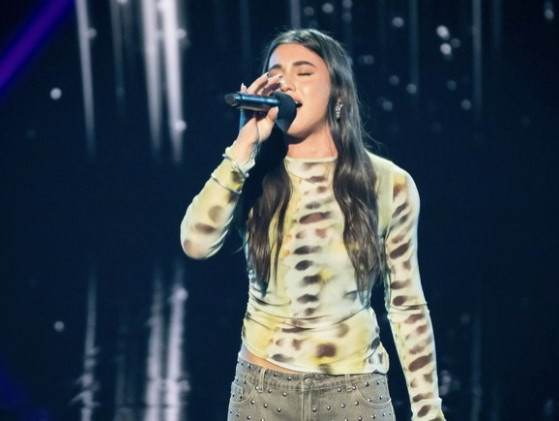
Pros for Kesha Oayda: Her greatest asset is authentic relatability. Coming from a small mountain town with a background in skiing rather than formal music training, Kesha brought an "everyman" appeal that connected deeply with voters. Her "secret weapon," as she described it in pre-finale interviews, was simply enjoying the moment — a mindset that helped her rebound from early setbacks and deliver consistent, heartfelt performances. Vocal coaches noted her strong control, phrasing and ability to convey raw emotion without over-singing. The historic female-win narrative amplified her story, but fans emphasized her growth and likeability as the true drivers. Post-finale, her grounded personality positions her well for long-term recording success and fan loyalty.
Cons for Kesha Oayda: Some critics and viewers argued her vocal power, while impressive, lacked the raw, belt-heavy intensity of Harlan's. Occasional early-season inconsistencies in high-pressure moments raised questions about live-show reliability under sustained pressure. Her style leans more introspective than flashy, which some felt limited showmanship in high-energy group numbers. While her win was celebrated, social media debates highlighted perceptions of a "narrative boost" over pure vocal dominance, potentially affecting industry perceptions as she transitions to professional releases.
Harlan Goode, the 18-year-old Brisbane powerhouse who finished a close second, impressed from his audition onward with a mature voice far beyond his years. Judges frequently called him an "unstoppable force," highlighting his composure and rapid improvement throughout the competition. His finale performances, including a standout duet, left many believing he had the strongest raw talent.

Pros for Harlan Goode: Vocal range and showmanship stand out as his clearest advantages. Harlan's ability to tackle powerhouse ballads with precision and emotional maturity drew comparisons to established Australian icons. Despite his youth, he displayed remarkable stage presence and adaptability, quickly incorporating feedback and elevating every performance. Fans and judges noted his "fire" and ambition, suggesting strong potential for a sustained career in pop and ballad-driven music. His runner-up finish keeps momentum high without the immediate pressure of the winner's spotlight, allowing strategic career building.
Cons for Harlan Goode: Relative inexperience remains a key limitation. At 18 and still finishing school during the competition, Harlan occasionally showed moments where polish lagged behind power, particularly in nuanced phrasing or sustained live stamina. Some viewers felt his reliance on big-voiced anthems limited versatility across genres. Post-finale reactions included frustration that his vocal edge did not translate to victory, with online discourse citing possible audience bias toward Kesha's story — a narrative that could linger as he seeks industry validation beyond the show.
Kalani Artis, the 23-year-old landscaper from the New South Wales Central Coast who placed third, entered the competition as the "shy tradie" whose life was transformed by music and family support, particularly from his nan. His growth from timid audition performer to confident finalist earned widespread praise for authenticity and soulful delivery.

Pros for Kalani Artis: Soulful appeal and personal growth define his strengths. Kalani's journey resonated through his humility, mental health openness and evolution from eyes-closed singer to engaging stage presence. Judges highlighted his "extraordinary talent" and polished delivery, while fans appreciated his raw, appealing voice that felt genuine rather than manufactured. His third-place finish after strong top-three showings positions him as a fan favorite with broad appeal for original material and live touring. The experience has already boosted his confidence dramatically, suggesting strong post-show momentum.
Cons for Kalani Artis: Voting momentum and occasional performance inconsistencies proved limiting. While soulful, Kalani had "shake moments" noted by viewers in higher-pressure rounds, and some felt his quieter personality translated to slightly less explosive stage energy compared with his top-two rivals. Eliminated first in the finale verdict, he faced the narrowest path to victory, with tracking polls occasionally showing weaker public support despite critical acclaim. Transitioning from tradie life to full-time music may require more aggressive branding to maintain visibility.
The grand finale underscored broader truths about Australian Idol's appeal: vocal talent alone rarely decides outcomes. Public voting rewards storytelling, relatability and momentum alongside singing ability. Kesha's win on an emotional, narrative-driven package broke a long drought for female champions, while Harlan's near-miss highlighted the power of raw voice and youth. Kalani's third-place result celebrated quiet growth and authenticity in a competition that often favors flash.
All three finalists leave with tangible opportunities. Kesha gains immediate recording and publishing support plus $100,000, positioning her for quick commercial follow-up. Harlan and Kalani retain strong fan bases and industry interest, with potential for independent releases or further television exposure. Judges Marcia Hines, Amy Shark and Kyle Sandilands repeatedly stressed that the top three represented one of the strongest seasons in recent memory, with each possessing unique pathways to success.
Post-finale reflections from the contestants themselves reinforce optimism. Kesha emphasized gratitude and enjoyment; Harlan expressed excitement for the future; Kalani spoke of life-changing lessons and plans to keep performing. Their shared Top 12 reunion during the finale highlighted camaraderie over rivalry, a hallmark of the 2026 season.
As the dust settles, the analysis reveals no clear "losers." Kesha's victory validates perseverance and connection. Harlan's runner-up status signals untapped superstar potential. Kalani's third place celebrates transformation and heart. In an industry where post-reality show success depends on sustained work, each finalist's pros far outweigh any cons, setting the stage for compelling careers ahead.
Whether through original music, live tours or new opportunities, the 2026 top three have already elevated Australian Idol's legacy. Their post-finale trajectories will be closely watched by fans eager to see which strengths translate into lasting stardom.
© Copyright 2026 IBTimes AU. All rights reserved.
- Recommended For You