Australian Idol 2026 Review: Kesha Oayda Wins as First Female in 19 Years: Emotional Grand Finale
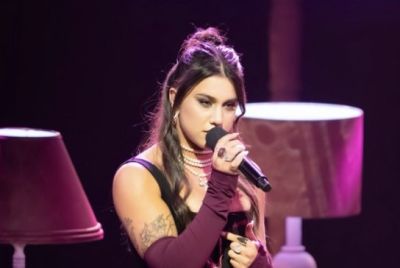
SYDNEY — In a two-night emotional crescendo that showcased raw talent, heartfelt stories and powerhouse vocals, 21-year-old Kesha Oayda from the snowy slopes of Jindabyne, New South Wales, was crowned the winner of *Australian Idol* 2026 on Tuesday, April 14, becoming the first female champion in 19 years and capping what judges and viewers hailed as one of the competition's most compelling seasons.

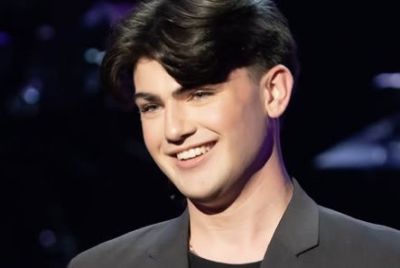
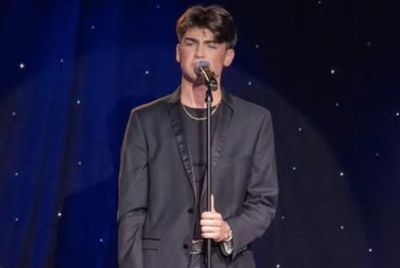
Oayda triumphed over runner-up Harlan Goode, 18, from Brisbane, and third-place finisher Kalani Artis, 23, from the Central Coast, in a nail-biting public vote that drew millions of viewers to Channel 7 and 7plus. The grand finale, held at the Sydney Coliseum Theatre, featured stunning solo performances and star-studded duets with Australian music icons including Vanessa Amorosi, Pete Murray, Anthony Callea, Morgan Evans and judge Amy Shark herself.
Oayda sealed her victory with a soaring rendition of Lady Gaga and Bruno Mars' "Die With A Smile" on the results show, following an earlier powerful take on Adele's "When We Were Young" and a duet of Vanessa Amorosi's "Shine." Her win earned her $100,000 in prize money, an exclusive recording package with Hive Sound Studios, marketing and social media support from The Annex, and entry into Sony Music Publishing's prestigious songwriting camp.
The victory marked a historic moment for the long-running franchise, which first launched in 2003 on Network Ten before its revival on Seven. Oayda's success ended a long drought for female winners, with the last coming in 2007 when Natalie Gauci claimed the title. Viewers and industry figures praised her grounded personality, stunning range and ability to convey deep emotion, describing her as a "standout voice and beautiful, grounded young woman."
The 2026 season, the eleventh overall and fourth on Seven, premiered on February 2 and quickly built momentum. Auditions introduced a world-first format tweak approved by rights-holder Fremantle: fewer Golden Tickets — around 30 instead of previous years' higher numbers — with contestants facing judges a second time after initial performances to earn advancement. This change allowed more screen time with promising singers and heightened the drama from the outset.
Judges Marcia Hines, Amy Shark and Kyle Sandilands returned for another year, delivering their trademark blend of tough love, encouragement and sharp insights. Hosts Ricki-Lee Coulter, an *Idol* alumna herself, and Scott Tweedie guided proceedings with warmth and energy, fostering an atmosphere that felt both competitive and supportive.
Early episodes highlighted unforgettable auditions. Contestants shared personal stories that resonated deeply, including emotional moments such as one Perth singer breaking down while calling his ill father after advancing. Golden Ticket winners included Kalani Artis, who impressed with Natalie Imbruglia's "Torn," and others like Lily-Grace Grant performing Tina Turner classics. Regional diversity shone through, with talents from Jindabyne's mountains to Tasmanian caves and Brisbane suburbs.
As the competition progressed through themed weeks — including a standout "Aussie Music Week" that delivered the season's highest viewership of 922,000 for one episode, up 6 percent year-on-year and a massive jump on 7plus — the field narrowed dramatically. The Top 12, announced in mid-March, featured a strong mix: Charlie Moon, Harlan Goode, Harry Lamb, Jacinta Guirguis (sometimes listed as Gulisano), John Standley, Kalani Artis, Kesha Oayda, Lily Grace Grant, Simela Petridis, Sophie Poidevin, Trè Samuels and Wanwue Tarpeh.
Live shows brought heightened stakes and surprises. Harlan Goode earned a direct pass into the Top 6 after a show-stopping Queen cover that left judges raving. Eliminations came week by week, with emotional farewells for favourites like Jacinta, who impressed with a Kiss Me performance, and others who fell in the Top 8 and Top 6 rounds. Fan-voted song twists added unpredictability, forcing contestants to adapt quickly.
By early April, the competition tightened to the Top 3: Harlan, the young Brisbane talent balancing Year 12 exams with *Idol* dreams and drawing Ariana Grande and Adam Lambert influences; Kalani, the 23-year-old Central Coast singer known for versatile performances; and Kesha, whose mountain-town roots and powerful, emotive delivery quickly made her a frontrunner.
The two-night grand finale on April 13-14 delivered spectacle. Night one saw the trio perform solo numbers that highlighted their growth since auditions. Harlan's Elton John tribute moved audiences, Kalani showcased range and stage presence, and Kesha delivered a heartfelt showcase that built anticipation. Night two featured duets with guest stars and the decisive public vote.
Post-win reactions poured in across social media and news outlets. Many celebrated Oayda's historic achievement and vocal prowess, while some viewers expressed disappointment over Harlan's runner-up finish, sparking debates typical of reality voting shows. Daily Mail reported the result "enraged" portions of the audience, though overall sentiment leaned positive toward the season's quality.
Industry observers noted *Australian Idol* 2026's success in a crowded television landscape. The season achieved strong ratings peaks, particularly during local-themed episodes, demonstrating sustained audience appetite for homegrown talent searches despite competition from streaming platforms and other reality formats. The show's emphasis on authentic stories, vocal ability over gimmicks, and integration of current Australian music helped it stand out.
Judges played a pivotal role in elevating the season. Marcia Hines brought decades of experience and emotional insight, often tearing up during poignant performances. Amy Shark offered contemporary industry perspective as a successful singer-songwriter. Kyle Sandilands provided his signature blunt honesty, balanced by moments of genuine encouragement that pushed contestants to improve.
Hosts Coulter and Tweedie added familiarity and energy. Coulter's own *Idol* history lent authenticity when mentoring or reflecting on the pressure of live performances. Their chemistry helped maintain momentum across audition marathons, transformation weeks (complete with makeovers) and high-stakes live shows.
Behind the scenes, production leaned into emotional storytelling without veering into manufactured drama. Contestants' backstories — from battling personal challenges to juggling education and dreams — created investment beyond the music. Regional representation, including Tasmanian cave auditions and rural NSW talents, broadened appeal.
The prize package reflects modern industry realities. Beyond the cash, winners gain recording support, publishing opportunities and exposure via ARIA Awards and Logies tickets. Past winners and runners-up have leveraged the platform for careers, though the show has faced broader questions about whether today's talent shows launch sustained stardom in the streaming era. Oayda's path will be watched closely as she enters the studio.
Critics and fans praised the 2026 season's talent depth. Comments on social media and in recaps described it as "extraordinary" with judges facing genuinely difficult decisions. The Top 12 reunion segments during the finale allowed eliminated contestants to reflect, fostering a sense of community that extended beyond competition.
Broader context includes the show's evolution since its 2003 debut. After shifting networks and hiatus periods, the Seven revival has refreshed the format while honouring its roots. The 2026 edition balanced nostalgia — reunions with past stars and tributes — with fresh elements like fan-voted songs and tighter Golden Ticket processes.
As the confetti fell and Oayda accepted her trophy, the moment encapsulated *Australian Idol*'s enduring appeal: giving everyday Australians with extraordinary voices a national stage. For Kesha Oayda, a young woman from a small town, the win represents validation and a launchpad. For Harlan Goode, still finishing school, runner-up status offers valuable exposure. Kalani Artis rounds out a strong Top 3 that highlighted vocal diversity.
Looking ahead, Seven has not yet confirmed 2027 details, but successful ratings and positive buzz suggest the franchise remains viable. Auditions for the next season may already be on fans' minds, with the show's Instagram encouraging early interest.
The 2026 season will be remembered for its emotional peaks, historic female win, strong viewership and celebration of Australian music. From cave auditions to Coliseum Theatre triumphs, it delivered memorable television that reminded viewers why singing competitions endure: they uncover talent, tell human stories and unite audiences around the power of a great voice.
Kesha Oayda's journey from Jindabyne auditions to national champion exemplifies the dream *Australian Idol* sells. As she steps into the recording studio and public eye, her grounded nature and powerful delivery position her well for success. Harlan and Kalani, along with the rest of the Top 12, leave with enhanced profiles and lessons in resilience.
In an era of short-form content and algorithm-driven discovery, *Australian Idol* 2026 proved that long-form, live, vote-driven talent shows still capture hearts when executed with authenticity and star power. The grand finale's guest lineup underscored industry support, bridging established artists with emerging ones in a showcase of local creativity.
For viewers who followed from February's auditions through April's emotional climax, the season offered escapism, inspiration and plenty of sing-along moments. Whether debating results or replaying standout performances on 7plus, audiences engaged deeply.
As the curtain falls on 2026, *Australian Idol* reaffirms its place in Australian television. Kesha Oayda's victory not only makes history but signals hope for the next generation of homegrown stars. The show's mix of raw talent, professional guidance and public participation continues to resonate, ensuring its relevance well into the future.
With strong production values, committed judges and hosts, and a crop of genuinely talented contestants, the 2026 edition stands as a benchmark for the revived series. Fans eagerly await what comes next, but for now, they celebrate a worthy winner whose voice — and story — captured the nation.
© Copyright 2026 IBTimes AU. All rights reserved.
- Recommended For You