10 Greatest Australian Boxers of All Time: Legends Who Defined the Ring
Australia has produced a remarkable lineage of boxing champions whose skill, courage and cultural impact have left an indelible mark on the sport, from the bare-knuckle era to the modern pay-per-view stage.
While the nation's boxing scene in 2026 features rising stars such as Jai Opetaia, Tim Tszyu, Liam Paro and George Kambosos Jr., the all-time greats are measured by world titles won, dominance in their eras, resilience against elite international opposition and lasting legacy. Consensus rankings from historians, Hall of Fame inductees and expert lists consistently highlight a core group of fighters who transcended their weight classes and inspired generations.
Here are 10 of the greatest Australian boxers of all time, presented in approximate order of historical consensus, blending pound-for-pound excellence with cultural significance.

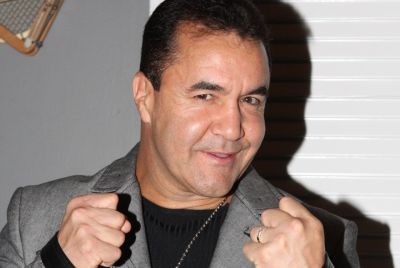
1. Jeff Fenech – The Marrickville Mauler
Widely regarded as Australia's greatest boxer, Jeff Fenech captured world titles in three weight divisions — bantamweight, super bantamweight and featherweight — during the 1980s and early 1990s. His aggressive, high-volume punching style earned him the nickname "Marrickville Mauler."
Fenech compiled a professional record of 28-2-1 (21 KOs) in his prime and defended titles against tough competition. He was controversially denied a clear victory in a 1991 super featherweight title fight against Azumah Nelson that many observers scored for him. Inducted into the International Boxing Hall of Fame, Fenech later became a respected trainer and commentator, cementing his status as a national icon.
2. Kostya Tszyu – Thunder from Down Under
Born in Russia but embraced as an Australian after moving there, Kostya Tszyu dominated the light welterweight (super lightweight) division in the late 1990s and early 2000s. With a record of 31-2 (25 KOs), he unified titles and delivered devastating knockouts with his piston-like jab and powerful right hand.
Tszyu's 2001 destruction of Zab Judah and his wins over Julio César Chávez Sr. and others showcased technical brilliance. His son Tim Tszyu has carried the family name into contention in the 2020s, but Kostya remains the benchmark for Australian punch power and precision.
3. Lionel Rose – Trailblazing Indigenous Champion
Lionel Rose became the first Indigenous Australian to win a world title when he defeated Masahiko "Fighting" Harada for the bantamweight crown in 1968. Rose's record stood at 42-11 (12 KOs), but his cultural impact far outweighed the numbers.
Fighting in an era of limited opportunities for Aboriginal athletes, Rose's victory was celebrated nationwide and helped break barriers. He later challenged for featherweight honors and became a singer and activist, embodying resilience and pride.
4. Les Darcy – The Tragic Hero of Early Australian Boxing
Les Darcy, a middleweight sensation in the 1910s, amassed a 46-4 (29 KOs) record before dying at age 21 in 1917 while seeking opportunities in the United States during World War I. Darcy's raw power, speed and work ethic made him a national sensation.
Though he never officially held a world title in an era when recognition was fragmented, many historians rank him among Australia's finest pure talents. His story of perseverance and untimely death has made him a folk hero, with his legacy honored in the Australian National Boxing Hall of Fame.
5. Johnny Famechon – The Elegant Technician
Johnny Famechon brought elegance and precision to the featherweight division in the 1960s and 1970s. His professional record of 56-5-6 (20 KOs) included victories over top international fighters and multiple defenses of the world featherweight title.
Famechon's slick boxing and defensive mastery contrasted with the brawling styles common in his era. He retired relatively young but left a legacy of sportsmanship and skill that influenced later Australian technicians.
6. Vic Darchinyan – The Armenian-Australian Knockout Artist
Vic Darchinyan, who represented Australia after emigrating from Armenia, became a three-division world champion with a ferocious southpaw style. His record includes 43-9-1 (32 KOs), with notable stoppage wins in flyweight, super flyweight and bantamweight classes.
Darchinyan's power and unorthodox attacks made him a nightmare for opponents in the 2000s. He remains one of Australia's most successful export fighters in the lower weight divisions.
7. Jeff Harding – The Hitman Who Shocked the World
Jeff "The Hitman" Harding captured the WBC light heavyweight title in dramatic fashion, most famously stopping Dennis Andries in 1989. His come-from-behind victories and warrior spirit earned him respect across the division.
Harding's record of 23-3 (15 KOs) in his prime highlighted his resilience and punching power. His fights remain staples in highlight reels of Australian boxing's golden eras.
8. Anthony Mundine – The Man Who Bridged Codes
Anthony "The Man" Mundine transitioned from a successful rugby league career to boxing, winning multiple world titles in the super middleweight and middleweight divisions. His brash personality and skilled performances drew massive crowds in the 2000s and 2010s.
Mundine's record included notable wins and high-profile bouts that boosted boxing's popularity in Australia. While polarizing, his crossover appeal and title success earned him a place among the nation's most recognized fighters.
9. Daniel Geale – The Real Deal
Daniel "The Real Deal" Geale unified IBF and WBA middleweight titles in the early 2010s with a slick, intelligent style. His record stood at 31-5-1 (16 KOs), featuring victories over quality opposition before challenging for further honors.
Geale represented the modern generation of technically sound Australian boxers who competed successfully on the world stage.
10. Dave Sands and Pioneers Like Young Griffo
Dave Sands, a versatile middleweight and light heavyweight contender in the 1940s and 1950s, earned acclaim for his skill before his tragic death. Earlier pioneers such as Young Griffo (Albert Griffiths), a featherweight wizard from the bare-knuckle to gloved era, demonstrated exceptional defensive genius that influenced global styles.
These fighters laid the foundation for Australia's boxing tradition in an age when the sport was far less commercialized.
Modern Contenders and the Future
In 2026, fighters like cruiserweight champion Jai Opetaia (undefeated with strong knockouts), welterweight contender Liam Paro, and Tim Tszyu continue to build on this legacy. George Kambosos Jr.'s past lightweight title runs and Jeff Horn's memorable 2017 upset victory over Manny Pacquiao also deserve honorable mentions for elevating Australian boxing's global profile.
Australia's boxing success stems from a blend of immigrant talent, Indigenous pioneers and homegrown determination. The country's fighters have often overcome geographic isolation to challenge the world's best, frequently in hostile environments.
As the sport evolves with new weight classes, women's divisions and streaming platforms, the all-time greats remain benchmarks. Their stories — of triumph, tragedy and tenacity — continue to inspire young boxers in gyms from Sydney to remote outback towns.
The Australian National Boxing Hall of Fame and international recognitions ensure these legends are remembered not just for their records but for elevating a nation's sporting pride on the world stage.
© Copyright 2026 IBTimes AU. All rights reserved.
- Recommended For You