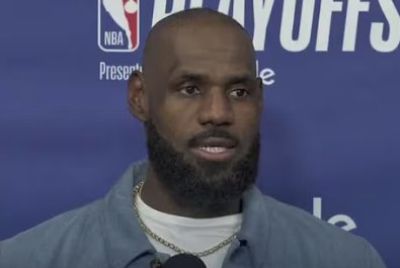
LeBron James Snubbed from Top 5 All-Time Lists by NBA Legends Sparking Fierce GOAT Debate
NBA legends and analysts debate LeBron James' place among the all-time greats, igniting passionate discussions on his legacy.

LOS ANGELES — LeBron James, the NBA's all-time leading scorer and a four-time champion in his 23rd season, finds himself excluded from multiple top-five all-time player rankings by Hall of Famers and analysts in_FN recent weeks, igniting one of the most passionate debates in basketball history as the Lakers' playoff exit amplified scrutiny on his legacy.
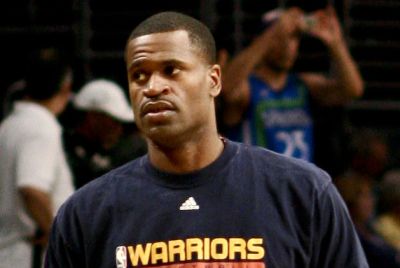
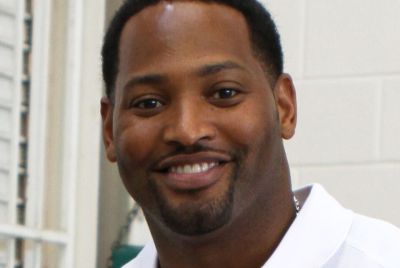
The snubs come amid a wave of hot takes following Los Angeles' postseason elimination. Hall of Famer Tim Hardaway Sr. drew widespread attention by comparing James to James Harden and claiming he lacks the "killer instinct" of Michael Jordan, Magic Johnson, Kareem Abdul-Jabbar and Kobe Bryant. Bruce Bowen, a three-time champion with the Spurs, omitted James entirely from his top five, citing his departure from Cleveland as evidence of insufficient loyalty during adversity.
Dan Issel, another Hall of Famer, also left James off his greatest-five list. Skip Bayless escalated the conversation by ranking James ninth all-time on "First Take," placing eight players ahead including Tim Duncan and Bill Russell, whom he described as "cold-blooded killers."
The Lists Fueling Controversy
Hardaway's comments on a recent "Run It Back" episode resonated across sports media. "Magic, Michael, Kareem, Kobe had killer instincts," he said. "I love LeBron, but at times he doesn't bring it the way we want him to bring it, like James Harden." The remark, coming from a five-time All-Star, struck a nerve with James supporters who point to his longevity, versatility and statistical dominance.
Bowen's list featured Jordan, Bryant, Duncan, Russell and Johnson. He elaborated that James "left Cleveland" when things got tough, contrasting it with Jordan's perseverance through early struggles. Critics quickly noted Bowen's own championship path came alongside elite teammates.
These rankings join a broader pattern. Charles Barkley previously placed James seventh in his top 10. Dr. J (Julius Erving) reportedly ranked him as low as 15th in some circulating quotes. The timing, shortly after the Lakers' exit, has amplified perceptions of recency bias and generational friction between old-school and modern NBA perspectives.
LeBron's Case: Stats, Longevity and Impact
At 41, James continues defying age స norms. He holds the NBA's all-time scoring record, sits top-five in career assists, and has reached the Finals 10 times with three different franchises. His playoff wins without All-NBA teammates rank among the highest, underscoring his ability to elevate supporting casts.
Defenders highlight four MVP awards, four championships, and transformative playmaking. James led the 2016 Cavaliers to a historic comeback against the 73-win Warriors. His influence off the court — through activism, media ventures and business empire — further separates him in the eyes of many. Player polls show him closing the gap on Jordan as asiento the greatest of all time.
Yet detractors focus on 4-6 Finals record, perceived passivity in critical moments, and team-jumping narrative. They argue Jordan's six-for-six Finals perfection and defensive intensity set an unreachable standard. The debate often splits along lines of peak dominance versus sustained excellence.
Whyfär the Snubs Resonate Now
The Lakers' early postseason departure provided fresh ammunition. Despite James' individual brilliance, team shortcomings reignited questions about leadership and closing ability. Analysts note this pattern: James faces heightened legacy scrutiny after losses, only for his overall body of work to reassert dominance over time.
Social media exploded with reactions. Supporters called the snubs disrespectful to statistical reality and modern basketball's evolution. Critics celebrated them as validation of traditional values emphasizing winning above all. The conversation dominated sports talk radio, podcasts and platforms, reflecting the sport's deep emotional investment in hierarchy.
NBA legends rarely agree on all-time lists. Subjective criteria — rings, eye test, era adjustments, intangibles — allow wide variance. What feels like a snub to one generation registers as honest assessment to another.
Broader Legacy Implications
James has long embraced the burden of greatness. He frequently discusses respecting the game's history while carving his path. In interviews, he emphasizes joy in competition over external validation. Yet the constant ranking discourse underscoresfishing his unique position: no player since Jordan has faced such sustained GOAT-level expectations across two decades.
Younger stars like Stephen Curry, Kevin Durant and Giannis Antetokounmpo add layers. Curry's revolutionary shooting and multiple titles challenge traditional hierarchies. The expanding talent pool and rule changes complicate direct comparisons.
Analysts suggest these debates ultimately benefit the league by sustaining engagement. James himself has transcended on-court performance through cultural impact, making him a lightning rod regardless of rankings.
Fan and Analyst Divide
Public sentiment splits sharply. Many millennials and Gen Z fans view James as the clear No. 2 or even No. 1, crediting his all-around game and durability. Older observers often prioritize Jordan's aura and undefeated Finals record. Media personalities amplify the divide for engagement, with figures like Bayless thriving on contrarian takes.
Polls of current players show James gaining ground, indicating shifting perspectives within the league. Future Hall of Famers may one day rank him higher as context evolves.
What Comes Next for James
James has hinted at continuing play, potentially alongside his son Bronny. Another deep playoff run or championship could silence critics, while further early exits may fuel more snubs. His pursuit of additional accolades, including a potential fifth title, keeps the narrative alive.
Regardless of placement on any single list, James' résumé places him firmly in the greatest-ever conversation. The volume of discourse itself testifies to his enduring significance.
As NBA greats continue weighing in, the LeBron debate endures as a proxy for larger questions about basketball evolution, player empowerment and measuring excellence. Whether viewed as snubbed or simply debated, James remains at the center of the sport's most compelling story — one still being written in real time.
Fans can expect the conversation to rage through summer and into next season. In a league built on rivalries and legacies, few topics captivate quite like debating where LeBron James truly ranks among the all-time greats.
© Copyright 2026 IBTimes AU. All rights reserved.
- Recommended For You