10 Fun Facts About Australian Idol 2026 Season 11: Top Contestants, Drama & Record Ratings Revealed
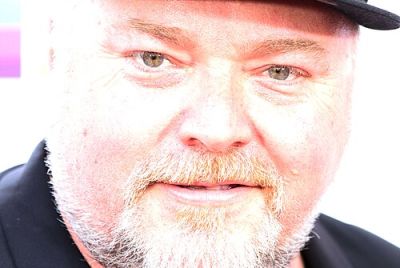
SYDNEY — As Australian Idol Season 11 races toward its grand finale on Channel 7 and 7plus, the 2026 edition has already cemented itself as one of the most watched and talked-about seasons in recent memory. Premiering February 2, the revamped competition has blended raw talent, emotional underdog stories and high-stakes drama under the watchful eyes of judges Kyle Sandilands, Marcia Hines and Amy Shark.

Here are 10 fun and fascinating facts that capture the magic, surprises and cultural impact of Australian Idol 2026:
- Record-Breaking Premiere and Ratings Surge The season launched with massive numbers, drawing up to 1.81 million viewers for its premiere episode — outperforming the previous year's grand final. Aussie Music Week episodes hit peak viewership with nearly 1.79 million national reach, and 7plus streaming jumped significantly, proving the franchise's enduring appeal in the streaming era.
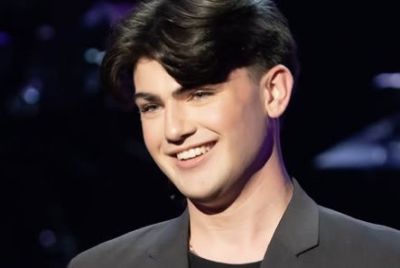
- A Teen Sensation Steals the Spotlight Eighteen-year-old Harlan Goode from Brisbane has emerged as a breakout star. The powerhouse vocalist earned a judge's Fast Pass into the Top 12 with a stunning ballad version of Diana Ross' "Chain Reaction" and later sailed straight into the Top 6 with a show-stopping Queen's "Somebody To Love." His youth and vocal range have drawn comparisons to early Idol greats.
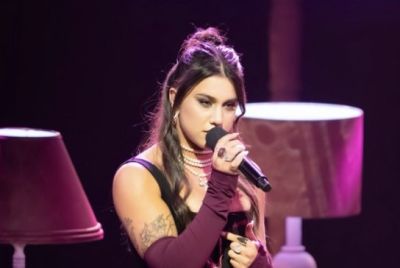
- Forklift Driver to Finalist: Jacinta Guirguis' Underdog Journey Twenty-five-year-old Jacinta Guirguis, a forklift driver from Bacchus Marsh, Victoria, captured hearts with her soulful delivery and relatable story of overcoming self-doubt. Her emotional performances, including a moving "Scars To Your Beautiful," highlighted the season's focus on authentic artist development.
- Golden Tickets Sparked Instant Stars Early auditions produced memorable Golden Ticket winners like Kalani Artis (23, Central Coast), who wowed with Natalie Imbruglia's "Torn," and 16-year-old John Standley from Bunbury, whose energetic "Shout" had judges dancing. These instant advances added excitement to the Top 30 phase.
- Fast Passes Changed the Game For the first time in recent seasons, each judge received a Fast Pass to automatically advance a contestant to the Top 12 during Transformation Week. Marcia Hines chose Charlie Moon, Kyle Sandilands picked Harlan Goode, and Amy Shark's selection added further drama to the grueling three-night Top 21 performances.
- Diverse Top 12 Showcased Australia's Musical Range The Top 12 featured soul singers like Charlie Moon (Perth, known for his signature specs and beanie), rock-leaning Harry Lamb, and a mix of pop, RnB, country and power ballads. Contestants ranged in age from teens to early 30s and included tradies, students and full-time musicians, reflecting modern Australia.
- Focus on Long-Term Artist Development Producers emphasized turning contestants into sustainable artists. The winner receives $100,000, a recording package with Hive Sound Studios, a Sony Music Publishing songwriting camp, marketing support from The Annex, and VIP access to the ARIA and Logie Awards — prizes designed for career longevity beyond the show.
- High-Energy Group Performances and Makeovers Transformation Week delivered glamorous new looks and high-stakes group numbers. Eliminations have been brutal, with standouts like Simela Petridis and others exiting after tense public votes, while surprise saves and bottom-four showdowns kept viewers glued.
- Hosts Bring Fresh Energy and Personal Milestones Ricki-Lee Coulter (a former Idol contestant) and Scott Tweedie returned as hosts. Tweedie recently opened up about a new romance, bringing extra warmth to the live shows. Guest judges including Jessica Mauboy added star power.
- Nearing a Nail-Biting Finale As of early April 2026, the competition has narrowed dramatically toward a Top 3 showdown reportedly featuring frontrunners like Harlan Goode, Kalani Artis and Kesha Oayda. The grand final is set for mid-April, with public voting deciding Australia's next singing sensation.
Why Australian Idol 2026 Feels Fresh and Unmissable
Now in its fourth season on the Seven Network, Australian Idol has evolved while staying true to its roots. The 2026 cast's diversity — in age, background, genre and personal stories — has resonated strongly with audiences. From heartfelt dedications to high-octane performances, the live shows have delivered water-cooler moments week after week.
Judges have been praised for their honest yet encouraging feedback. Marcia Hines brings legendary wisdom, Amy Shark offers contemporary industry insight, and Kyle Sandilands delivers his signature blunt humor that often sparks viral clips.
Social media has amplified the season's reach, with TikTok and Instagram flooded by fan edits, reaction videos and #AustralianIdol2026 trending regularly. The show's emphasis on mental health, resilience and genuine artistry sets it apart from flashier international versions.
Cultural Impact and What's Next
Australian Idol continues to launch careers. Past winners and finalists have gone on to ARIA success, international tours and major label deals. This season's focus on development suggests the 2026 winner could follow that path even more successfully.
With the finale fast approaching, tension is building. Will a young powerhouse like Harlan claim the crown, or will an underdog story prevail? Australia is voting, and the nation is watching.
Whether you've followed from the first Golden Ticket or just tuned in for the live shows, Season 11 has reminded everyone why Australian Idol remains a television institution. It's more than a singing contest — it's a platform for dreams, drama and discovering the next generation of Australian music stars.
Tune in to Channel 7 and 7plus for the remaining episodes and the grand finale. In a year filled with reality television, Australian Idol 2026 stands tall as a ratings winner and cultural conversation-starter.
© Copyright 2026 IBTimes AU. All rights reserved.
- Recommended For You