10 Fun Facts About Socceroos Heading to 2026 World Cup
As the Australian men's national soccer team, affectionately known as the Socceroos, prepares for their sixth consecutive FIFA World Cup appearance in 2026, excitement is building across the nation. Under coach Tony Popovic, who took over in late 2024 and steered the team to direct qualification with key wins over Japan and Saudi Arabia, Australia is eyeing a deeper run in the expanded tournament co-hosted by the United States, Canada and Mexico.
With the final 26-player squad set to be named in late May after friendlies against Cameroon, Curaçao and Mexico, and a pre-tournament camp in Florida, fans are revisiting the team's colorful history. Here are 10 fun facts about the Socceroos that highlight their journey from underdogs to consistent World Cup contenders.
- The Nickname "Socceroos" Blends Soccer and Kangaroos The moniker was coined in 1967 by Sydney journalist Tony Horstead, combining "soccer" with "kangaroo," Australia's iconic animal. The team embraced it during a tour to Vietnam that year, and it quickly stuck. The logo even featured a kangaroo in football boots for the 1974 World Cup. Today, the side is officially sponsored as the CommBank Socceroos, with the name symbolizing national pride and resilience.
- World Record for the Biggest International Win On April 11, 2001, the Socceroos demolished American Samoa 31-0 in a World Cup qualifier — the largest margin of victory in senior men's international football history. Archie Thompson scored 13 goals, while David Zdrilic added eight. The match, played in Coffs Harbour, highlighted Australia's dominance in Oceania before switching to the Asian Football Confederation in 2006.
- Six Straight World Cup Appearances Since Switching to Asia After dominating the Oceania Football Confederation (OFC) and winning the OFC Nations Cup four times (1980, 1996, 2000, 2004), Australia joined the AFC in 2006. They have qualified for every World Cup since: 2006, 2010, 2014, 2018, 2022 and now 2026. The 2006 tournament marked their best performance, reaching the round of 16 under Guus Hiddink.
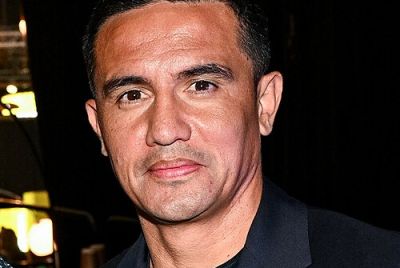
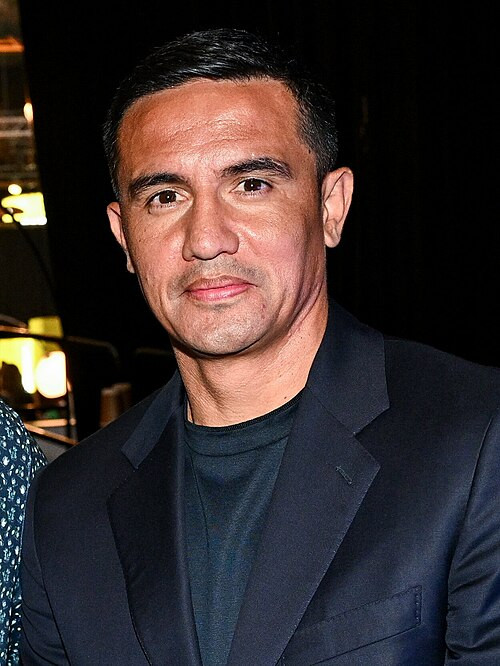
- Tim Cahill Scored in Three Consecutive World Cups Legendary midfielder Tim Cahill became the first Australian to score in three straight World Cups (2006, 2010, 2014). His volley against Japan in 2006 was Australia's first-ever World Cup goal, sparking a comeback win. Cahill finished with 50 international goals, the team's all-time leading scorer.
- First World Cup Goal Came as an Own Goal In their 1974 debut against East Germany in Hamburg, defender Col Curran scored the first Australian goal at a World Cup — unfortunately for the wrong team. The Socceroos lost 2-0 in a tough group that included hosts West Germany. It took 32 years for Australia to register an official goal at the finals.
- 2022 World Cup Heroics With Penalty Shootout Drama Against Peru in the 2022 intercontinental playoff, goalkeeper Andrew Redmayne's "wiggle routine" became legendary. Redmayne came off the bench specifically for the shootout and made the decisive save, sending Australia to Qatar. The moment captured the never-say-die spirit that defines the Socceroos.
- Asian Cup Champions in 2015 on Home Soil After moving to Asia, Australia hosted and won the 2015 AFC Asian Cup, defeating South Korea 2-1 in the final with a golden goal from James Troisi. It remains their greatest continental triumph and boosted soccer's popularity Down Under, proving they could compete with Asia's best.
- Diverse Squad Reflects Australia's Multicultural Fabric The current Socceroos squad features players with roots from Croatia, Italy, Greece, Lebanon, Iraq and beyond, alongside homegrown talent. Stars like Alessandro Circati (Parma), Cameron Burgess (Swansea City) and emerging names such as uncapped call-ups Lucas Herrington and Ante Suto in March 2026 camps showcase this rich diversity that strengthens team chemistry.
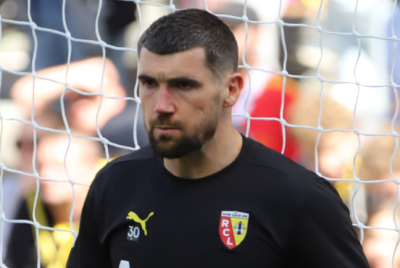
- Mathew Ryan: The Most-Capped Goalkeeper Veteran keeper Mathew Ryan, expected to start in 2026, has been a stalwart for over a decade. With experience at clubs like Brighton, Arsenal and now Levante, Ryan provides leadership and shot-stopping reliability. Young backups like Joe Gauci (Aston Villa) and Patrick Beach (Melbourne City) signal a bright future in goal.
- Popovic's Revival and Florida Prep Camp After a rocky start to 2026 qualifying under Graham Arnold, Tony Popovic's appointment sparked a turnaround with crucial victories that secured direct qualification for the first time since 2014. The team will hold a training camp in Sarasota, Florida, ahead of a May 30 friendly against Mexico in Los Angeles, aiming to acclimatize to North American conditions for the World Cup.
Looking Ahead to 2026With FIFA ranking them around 27th in early 2026, the Socceroos enter the tournament with realistic ambitions of advancing from the group stage. Key players likely to feature include defenders like Circati and Burgess, midfielders Jackson Irvine and Aiden O'Neill, and attackers Martin Boyle and Riley McGree. The expanded 48-team format offers more opportunities for upsets.
Australia's path reflects perseverance. From the 1974 pioneers who faced landmine concerns during training in war-torn regions to modern stars competing in Europe's top leagues, the Socceroos embody the Australian spirit of mateship and fighting spirit.
Fans will have one final chance to see the team on home soil during the March 2026 FIFA Series matches against Cameroon in Sydney and Curaçao in Melbourne. These games serve as vital auditions for the 26-man squad, with several A-League players earning call-ups and uncapped prospects getting their shot.
The Socceroos' story is one of evolution — from OFC powerhouse to AFC contender, from record-breakers to penalty-shootout heroes. As they head to North America, the team carries the hopes of a soccer-mad nation that has grown dramatically since that first 1922 tour to New Zealand.
Whether it's the kangaroo-inspired nickname, record-shattering wins or dramatic qualifying moments, these fun facts remind supporters why the Socceroos capture hearts. With Popovic at the helm and a talented, multicultural squad, Australia aims to create new memories in 2026 and shed any remaining underdog label.
The tournament promises thrilling matches, and the Socceroos will be ready to "dance with the best" once more. For a nation where soccer continues to rise alongside other codes, this World Cup represents another milestone in the team's proud 100-plus-year history.
© Copyright 2026 IBTimes AU. All rights reserved.
- Recommended For You