Texas Independence Day 2026: 10 Fun Facts About the Lone Star State's Historic Celebration
Texans across the state marked Texas Independence Day on March 2, 2026, commemorating 190 years since delegates boldly declared the region free from Mexican rule in 1836. The annual observance, a legal state holiday, blends solemn historical reflection with lively festivities, parades and reenactments that highlight Texas' unique path to sovereignty.
As state offices closed and flags flew high, communities from Austin to San Antonio hosted events honoring the Texas Declaration of Independence. The centerpiece remained Washington-on-the-Brazos State Historic Site, where the declaration was signed, drawing crowds to a revamped venue after major renovations.
Here are 10 key things to know about Texas Independence Day and its enduring significance:
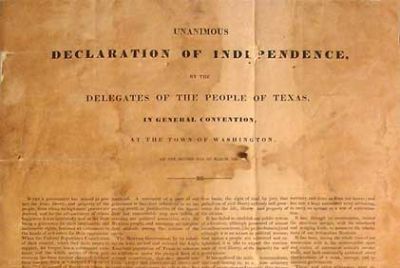
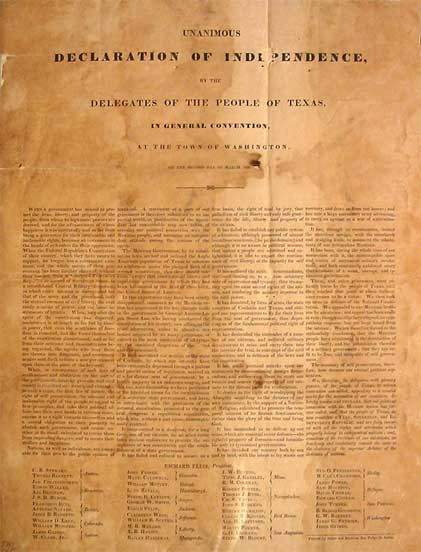
1. The date marks the adoption of the Texas Declaration of Independence on March 2, 1836. Fifty-nine delegates, representing Texian and Tejano settlers, convened at Washington-on-the-Brazos amid the Texas Revolution. They unanimously approved the document, severing ties with Mexico and establishing the Republic of Texas. The declaration cited grievances against Mexican centralist policies, including lack of representation and violations of rights.
2. Washington-on-the-Brazos is forever known as the "birthplace of Texas." The small settlement hosted the Convention of 1836, where delegates worked swiftly — completing the declaration in a single day. The site now features Independence Hall replica, the Star of the Republic Museum and Barrington Living History Farm, preserving the story of Texas' brief era as an independent nation.
3. 2026 marks the 190th anniversary of the declaration. Celebrations emphasized this milestone, with the Texas Historical Commission hosting a major event Feb. 28 at Washington-on-the-Brazos following $54 million in renovations completed in late 2025. The free public gathering included an opening ceremony, parade starting at 10:30 a.m., live performances, musket and cannon demonstrations, vendor booths and food trucks. A special exhibit displayed the "Ark of the Covenant" box crafted from original Independence Hall wood to house the declaration.
4. Texas Independence Day is a state holiday, but not federal. State government offices, libraries and many agencies close, though banks, post offices and federal facilities remain open. Public schools typically hold regular classes, often incorporating educational programs about the Texas Revolution. The day also coincides with Texas Flag Day and Sam Houston Day observances.
5. The Republic of Texas existed for nearly a decade before joining the United States. After independence, battles like the Alamo (February 1836) and San Jacinto (April 1836) secured the victory. Sam Houston's forces captured Mexican General Antonio López de Santa Anna at San Jacinto, forcing recognition of Texas sovereignty. Texas became the 28th U.S. state on Dec. 29, 1845.
6. Only one original copy of the Texas Declaration survives. Of the five handwritten versions produced in 1836, four were lost or destroyed over time. The lone surviving original is preserved at the Texas State Library and Archives Commission in Austin. Modern replicas and digital versions allow widespread access to the text, which echoes the American Declaration in structure and ideals.
7. Celebrations extend statewide with parades, reenactments and cultural events. In Austin, the annual Texas Independence Day Parade features floats, historical attire and community groups. San Antonio hosts observances at the Alamo, including commemorations from March 1-2 with free admission and programs. Gruene Hall near New Braunfels offers live music and activities, while university campuses like the University of Texas at Austin uphold traditions dating back over a century, including gatherings inspired by early 20th-century student observances.
8. The holiday underscores Texas' distinct identity. Texans often proudly note their state's unique history as a former independent republic — a status shared by few others in U.S. history. Popular lore includes myths like Texas' right to secede or divide into five states, though legal experts clarify these claims lack foundation under current U.S. law. The day reinforces pride in symbols like the Lone Star flag, which flew over the Republic and remains the state banner.
9. Modern observances tie into broader American commemorations. In 2026, Texas America250 initiatives highlight the state's role in U.S. history ahead of the nation's semiquincentennial on July 4. Events at Washington-on-the-Brazos featured new exhibits on 1836 convention scenes, emphasizing American influences on Texian settlers who drew inspiration from the 1776 Declaration.
10. The spirit of independence lives on through education and community. Reenactments, storytelling sessions, homeschool days and lantern tours (like the sold-out Feb. 27 event at Washington-on-the-Brazos) engage new generations. Other sites, such as Boonville Heritage Park, offer hands-on 19th-century activities. Amid ongoing renovations and investments, historic sites aim to preserve this chapter as Texas continues evolving while honoring its revolutionary roots.
Texas Independence Day remains a point of pride for millions, blending history with celebration. As one observer at Washington-on-the-Brazos noted, the holiday reminds residents that Texas began with a bold assertion of freedom — a legacy that endures 190 years later.
© Copyright 2026 IBTimes AU. All rights reserved.
- Recommended For You